What is Digital X-ray?
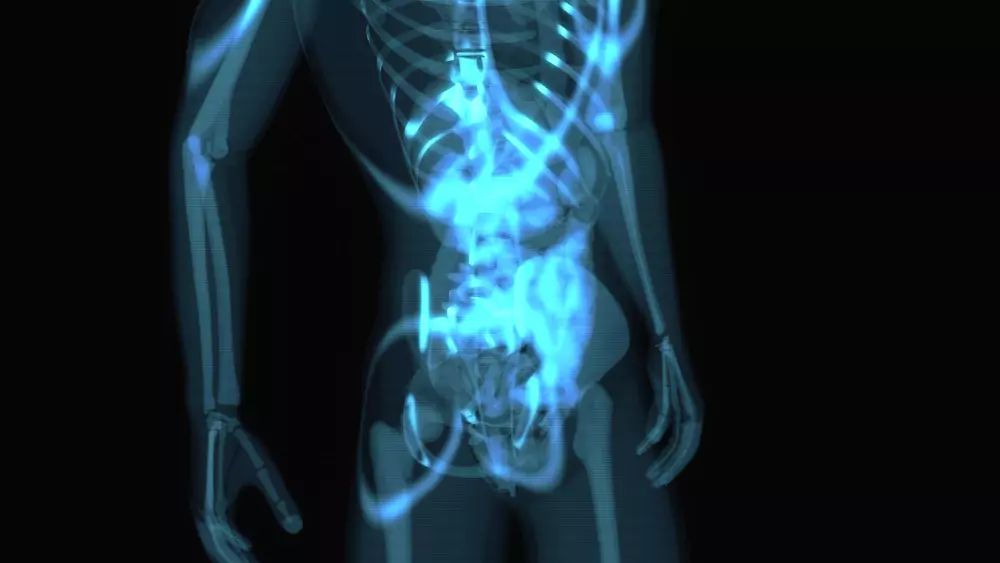
With advancing technology, medical imaging methods have also evolved. Digital X-ray is a modern method that allows faster and clearer results compared to conventional X-rays. Since digital detectors are used instead of film, the images are immediately transferred to a computer screen. This allows physicians to examine the images in more detail, and patients can access results much more quickly. The radiation dose is lower than traditional methods, which is an important advantage for patient safety. We provide digital X-ray services with modern devices, ensuring reliable and fast results for our patients.
How is a Digital X-ray Taken?
The procedure is quite simple and quick. The patient is positioned according to the area to be imaged. Thanks to digital detectors, images are obtained within a few seconds. This method uses lower radiation than conventional X-rays while producing higher-quality images. During the procedure, the patient must remain still, and sometimes may be asked to hold their breath briefly. The process usually takes a few minutes, and the images are instantly displayed on the computer screen. We make this process comfortable for our patients while providing accurate and clear results.
What are the Features of Digital X-ray?
The most important feature of digital X-ray is its high-resolution images. Computer-based enhancements such as zooming, contrast adjustment, and image manipulation are possible. Images can be archived and easily shared with other physicians when needed. The lower radiation dose makes it safer. Additionally, the quick results accelerate the diagnostic process. All these features increase patient satisfaction and diagnostic accuracy. We use this technology to provide fast, reliable, and effective services, contributing to our patients’ treatment process.
Why is a Digital X-ray Requested?
Digital X-rays are preferred when the bone and organ structures in the body need to be visualized. They may be requested in cases of fractures, dislocations, joint problems, lung diseases, dental and jaw issues, and more. They are also used for preoperative preparations or to evaluate post-treatment recovery. Due to their quick results and reliability, physicians frequently choose this method. We provide the correct examinations according to our patients’ needs and ensure the most reliable results.
Which Diseases are Diagnosed with Digital X-ray?
Digital X-ray has a wide range of applications. It is particularly used for bone fractures, joint deformities, lung infections, pneumonia, tuberculosis, and heart enlargement in the chest area. It is also frequently used in dentistry to evaluate cavities, impacted teeth, or jaw disorders. It can help detect certain issues in the digestive and urinary systems as well. We use this method effectively for diagnosing various diseases, providing reliable diagnoses and facilitating the treatment process.
Precautions Before Digital X-ray
Patients should follow some simple but important precautions before imaging. Metal accessories such as jewelry, belts, glasses, or watches should be removed as they can interfere with image quality. Depending on the area to be scanned, patients may be asked to change clothes or wear a special gown. Women who might be pregnant must inform their doctor and technician. In such cases, alternative imaging methods may be preferred. Additionally, specific preparation like fasting may be required depending on the examination. We provide detailed guidance to our patients before the procedure, explain each step, and manage the process safely.
When Do Digital X-ray Results Come Out?
Thanks to advanced systems, digital X-ray results are obtained very quickly. Images are immediately transferred to a computer screen after scanning. These images are evaluated and reported by expert radiologists. In most cases, results are ready the same day or within a few hours. The time may vary depending on workload, but it is much faster than conventional methods. We minimize waiting times and provide fast and reliable results for our patients.
How Long Does a Digital X-ray Take?
The scanning process is usually very short. Including patient preparation and positioning, it generally takes about 5–10 minutes. This may vary slightly depending on the area being scanned, but it is generally a quick procedure. During the scan, the patient only needs to remain still. Sometimes, they may be asked to hold their breath briefly for a clearer image. We make this process even shorter and more comfortable with modern devices, ensuring safe results.
Is Digital X-ray Harmful?
The radiation dose used in X-ray imaging is quite low. Digital systems emit less radiation than conventional X-rays, ensuring patient safety. Even repeated scans generally do not pose a health risk. However, caution should be exercised with pregnant women and children, and unnecessary scans should be avoided. We are meticulous about this, choosing the safest methods for our patients and keeping radiation exposure at a minimum.
Digital X-ray Prices 2026
Pricing may vary depending on the area to be scanned, the technology of the device, the healthcare facility’s equipment, and the city. More comprehensive scans or special cases (such as “orthoradiograms” or scoliosis graphs) can approach or slightly exceed 10,000 TL.
Digital X-ray is preferred due to its quick results and low radiation dose. We provide safe services with modern devices, ensuring accurate results, and advise patients to contact us for precise pricing.
Advantages of Digital X-ray
This method offers many advantages compared to conventional X-rays. The most important is obtaining high-resolution and clearer images. Since images are transferred to a computer, zooming, contrast adjustment, and archiving are easily possible. The radiation dose is lower than conventional X-rays, increasing patient safety. Additionally, quick results accelerate the diagnosis and treatment process. Digital storage and easy sharing of images also provide convenience for physicians. We provide these advantages to our patients, ensuring safe results with modern devices.
What is Direct Digital X-ray?
Direct digital X-ray is a system where images are obtained directly through digital detectors without using film. After scanning, the images are immediately transferred to a computer screen and can be evaluated by physicians. This method is superior to conventional methods in terms of speed and accuracy. When a repeat scan is necessary, it can be performed without additional radiation exposure. We use this technology to offer a fast, reliable, and modern diagnostic process to our patients.
What Does a Digital X-ray Device Do?
This device allows visualization of specific body areas, enabling the evaluation of bones, joints, and organ structures. It is used for diagnosing fractures, dislocations, joint deformities, lung infections, heart enlargement, and more. It is also preferred in dentistry to assess jaw structure and tooth roots. Images obtained from a digital X-ray device are immediately recorded, archived, and can be compared when necessary. We conduct this process safely with modern digital devices, contributing to our patients’ treatment process.
Key Differences Between Conventional and Digital X-ray
Medical imaging methods play a crucial role in diagnosis and treatment. Conventional X-ray is a film-based system used for many years. Images are transferred to special films and developed using chemical baths. The clarity of images depends on film quality and development process, and may not always meet expectations. Storage, transportation, and long-term preservation of films can also be challenging.
Digital X-ray, on the other hand, uses digital detectors instead of film. Images are immediately displayed on a computer screen with high-resolution evaluation. Zooming, contrast adjustment, and magnification are possible, revealing even the smallest details. Another significant difference is radiation dose: digital X-rays use much lower radiation than conventional methods, which is a major advantage for patient safety. The ability to archive images, share them with other physicians, and avoid loss are additional benefits. We perform scans with these modern devices, provide reliable results, and make the process comfortable for our patients.
How is Digital Panoramic X-ray Taken?
One of the most commonly used methods in dentistry, panoramic X-ray provides a single image of the mouth and jaw structure. Patients are asked to remove metal items before scanning, as these can distort the image. Then, the patient places their head into the device and positions their jaw in a stabilizing apparatus. The machine rotates slowly around the patient’s head, scanning the entire jaw and teeth. Thanks to digital systems, this scan is completed within seconds, and images are instantly displayed on a computer screen.
The advantage of panoramic X-ray is visualizing the entire jaw in a single image. It is useful for assessing cavities, impacted teeth, jaw joint disorders, sinuses, and implant planning. The procedure is painless, requiring only a few seconds of stillness. We perform this procedure with modern devices, providing a comfortable experience and reliable dental health results.
Difference Between X-ray and CT Scan
Both are important diagnostic tools in radiology, but they operate differently. X-ray provides a two-dimensional image from a single angle, offering fast and easy diagnosis of bones, lung conditions, fractures, and dislocations. However, it may be insufficient to show some details due to its 2D nature.
CT scan, on the other hand, captures multiple images from different angles to create a three-dimensional view. Organs and tissues can be examined layer by layer. It provides more accurate results for tumors, internal organ diseases, and brain vessel evaluation. However, CT involves higher radiation doses and is used only when necessary. X-ray is preferred for quick and simple screening, while CT is used for detailed examination. We select the most suitable method according to patient needs, ensuring accurate and safe diagnoses.
What is Digital Panoramic X-ray?
The digital version of panoramic X-ray, an essential imaging method in dental and jaw health, provides clearer and more detailed results with modern technology. Digital detectors are used instead of film, so images are immediately transferred to a computer after scanning. Tooth roots, jaw joints, bone density, and sinus cavities can be examined in detail.
Digital panoramic X-ray plays a key role in orthodontic treatments, implant procedures, detecting impacted teeth, and examining jaw fractures. It has low radiation, fast results, and images can be shared with other physicians if needed. We use this technology to provide safe and effective services, delivering accurate results in a short time.
What is 3D X-ray?
3D X-ray, commonly used in dentistry and jaw surgery, is also known as Cone Beam Computed Tomography (CBCT). This method allows three-dimensional imaging of the jaw and teeth. Small details that may not be visible in traditional X-rays can be seen clearly.
It is used for implant planning, locating impacted teeth, detecting cysts and tumors, and examining sinus areas. It provides significant advantages in identifying risks before surgical interventions. Radiation is lower than conventional CT, making it safer for patients. We apply 3D X-ray technology with modern devices, ensuring reliable results and proper management of treatment processes.
What are Digital Imaging Methods?
Digital imaging methods play a crucial role in early disease detection and treatment planning. The most frequently used method today is digital X-ray. Other common methods include digital mammography, computed tomography (CT), magnetic resonance imaging (MRI), digital panoramic X-ray, ultrasonography, and 3D Cone Beam Computed Tomography (CBCT). These methods share the feature of transferring images to a computer for high-resolution examination. Digital systems allow archiving, sharing with different physicians, and comparison with past examinations. Additionally, radiation dose is lower than conventional systems, which is an important advantage for patient safety. We use modern digital imaging methods to provide accurate diagnoses, fast results, and safe services.
What Happens if There is Metal on the Body During X-ray?
Metal accessories such as jewelry, belt buckles, buttons, piercings, glasses, or watches can negatively affect image quality during X-ray. Metal objects may cause glare or shadows, making it difficult for physicians to evaluate images correctly. For example, a chain or button in a chest X-ray can cover lung tissue and lead to incorrect interpretations. Therefore, all metal items must be removed before scanning. Metal fillings or prostheses in dental and jaw X-rays may also distort images. We inform our patients in detail before the procedure, ensure proper preparation, and obtain the clearest and safest images.
What is Indirect Digital X-ray?
Digital X-ray systems are divided into direct and indirect methods based on technology. Indirect digital X-ray records the image on special phosphor plates, which are then transferred to a computer. In other words, the image is not obtained directly but digitally through a secondary process. This method is faster than conventional film systems and uses lower radiation, but it does not provide instantaneous results like direct digital X-ray. Images are transferred to a computer via special scanners and examined in digital format. Image quality is still high and archiving is easy. We use indirect digital X-ray when needed, providing safe and modern diagnostic services to our patients.
How Many Types of X-ray Are There?
X-rays are classified according to their usage, and there are many types. The most common include chest X-ray, bone and joint X-ray, dental panoramic X-ray, scoliosis X-ray, abdominal X-ray, and fluoroscopy. Based on the system, there are three main categories: conventional (film), direct digital, and indirect digital X-ray. Each type provides important information for diagnosing different conditions. We determine the most suitable X-ray type according to needs, ensure accurate diagnosis, and provide reliable services with modern devices.
Should a Bra Be Removed During Chest X-ray?
To clearly visualize the chest area, metal-containing bras should be removed during chest X-ray. Metal components such as underwire or supports can create shadows and glare, obstructing detailed views of the lungs, heart, and rib cage. If the bra is completely metal-free, removal may not be necessary, but in most cases, it is recommended. We inform our patients before scanning, provide guidance for comfort, and ensure the clearest and safest images.
Should X-ray Be Taken on an Empty or Full Stomach?
Typically, there is no fasting requirement for X-ray scans. Standard images such as bone, joint, or chest X-rays do not depend on whether the patient is fasting or not. However, for special cases like digestive system or stomach X-rays, fasting may be required a few hours before the procedure as instructed by the physician. This ensures clearer imaging of the stomach and intestines. We clearly explain preparation based on the type of scan and manage the process safely.
Which Provides More Detail: MRI or CT Scan?
Both imaging methods are important in medicine, but the level of detail depends on the area being examined. CT scan provides detailed images of bones and air-filled organs like the lungs. MRI offers more detailed imaging of soft tissues than CT. It provides high-resolution data for the brain, spinal cord, muscles, and joints. CT is faster, while MRI takes longer but excels in soft tissue detail. We determine the most suitable method for our patients, using either MRI or CT to ensure accurate diagnosis and safe service.
Which is More Harmful: X-ray or CT Scan?
Both methods use radiation, but the doses differ. X-ray involves a lower radiation dose, while CT scan uses higher doses due to multiple cross-sectional images. CT is usually reserved for detailed examinations. Modern devices minimize radiation in both methods. Even repeated scans remain within safe limits. We use the latest technology to keep radiation at the lowest possible level and provide safe results for our patients.
Are MRI and X-ray the Same?
MRI (Magnetic Resonance Imaging) and X-ray are completely different systems. X-rays use X-ray beams to visualize bones and certain organs, while MRI uses strong magnetic fields and radio waves, so it does not involve radiation. MRI is superior for imaging soft tissues, whereas X-ray is preferred for bone fractures, lung conditions, and quick diagnoses. The two methods are complementary and not the same. We choose the most suitable method based on patient needs, providing modern and safe diagnostic services.