What is Bone Densitometry?
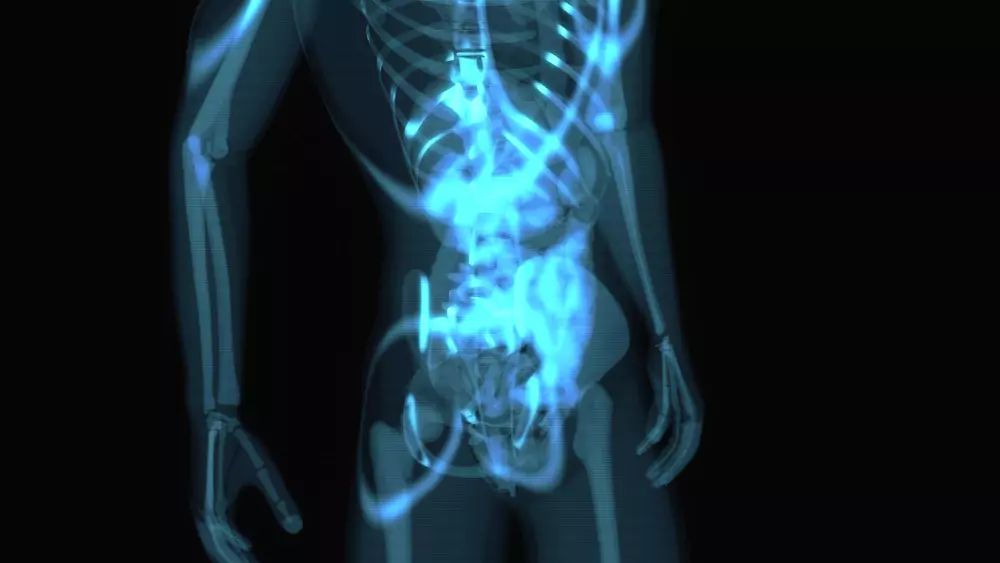
Bone densitometry, frequently used in medicine, is a specialized test developed to measure the mineral density of bones. This measurement determines how much mineral is present in the bones and whether the bone tissue is strong or weak. It is especially important in assessing the risk of osteoporosis, or bone loss. Factors such as aging, menopause, genetic predisposition, dietary habits, or certain medications can weaken bone structure. In such cases, bone densitometry provides an opportunity for early diagnosis. Performed using low-dose X-rays, this procedure is considered quite safe compared to other radiological methods. The test is painless and comfortable, making it a practical examination method. Widely used in many centers today, it has become a fundamental tool for maintaining bone health and preventing fracture risk.
How is Bone Densitometry Performed?
During bone densitometry, the patient lies on their back on a special device. The spine, hip, and sometimes the forearm are usually selected for measurement. The chosen area is scanned with low-dose X-rays by the device. The patient is asked to remain still during the scan. There is no pain, discomfort, or side effects during the procedure. The device determines the mineral density in the bones, and the values are analyzed by a specialist doctor. This measurement is especially beneficial for postmenopausal women and older adults. The procedure is practical and quick, so patients do not need to interrupt their daily activities. As it requires no preparation, patients can be easily measured. Thanks to the technological features of the devices used, the results are highly reliable and help assess bone health.
Why is Bone Densitometry Requested?
The primary purpose of this test is to closely assess bone health and detect potential risks in advance. Bone densitometry plays a significant role in the early diagnosis of osteoporosis. Age-related bone density loss increases the risk of fractures. Prolonged use of certain medications, such as corticosteroids, can also weaken bone structure. Therefore, doctors may recommend regular bone densitometry. In postmenopausal women, decreased estrogen levels lead to mineral loss in bones and increase the likelihood of fractures. Individuals with a family history of osteoporosis, slender body types, or inadequate nutrition may also require this test. Early diagnosis allows lifestyle adjustments, improved nutrition, and, if necessary, initiation of treatment. Thus, bone densitometry is a valuable preventive healthcare method.
What Diseases is Bone Densitometry Used to Diagnose?
Bone densitometry is most commonly used to diagnose osteoporosis and is also effective in detecting early bone density loss, such as osteopenia. Additionally, it is used to diagnose metabolic bone diseases and bone weakening due to hormonal disorders. Conditions such as thyroid, parathyroid, and kidney diseases can lead to mineral loss in bones. In such cases, densitometry measurements reveal the extent of damage to the bone structure. Individuals who are sedentary for long periods or have poor nutrition may also experience decreased bone density. This test helps identify these losses early, allowing for an accurate treatment plan. It is also used for monitoring treatment, enabling regular tracking of changes in bone density, and assessing the effectiveness of therapies with concrete data.
How Long Does Bone Densitometry Take?
Bone densitometry is a quick test, usually taking 10 to 20 minutes. The duration depends on the area being measured and the device used. The patient lies still while the device scans the selected regions. There is no pain or discomfort. Since it requires no preparation, the patient can undergo the test on the scheduled day. Results are typically available the same day and are evaluated by a specialist doctor. This makes the procedure both practical and fast. After the test, there is no need to interrupt daily activities, and quick results facilitate early diagnosis and treatment planning.
When Are Bone Densitometry Results Available?
Results are usually provided to the patient on the same day. After the measurement, the data collected by the device are evaluated by a specialist. In most healthcare centers, results are prepared within a few hours and presented as a report. Depending on workload, some centers may provide results the next day. However, as it is a fast and reliable method, waiting time is generally short. Early results allow the doctor to create a treatment plan promptly, giving the patient information about bone health and enabling early measures to prevent fractures.
Precautions Before Bone Densitometry
There are a few points patients should consider before the procedure. Calcium supplements should not be taken within 24 hours before the test, as they may affect measurement results. Metal objects, belts, or zippers should be avoided, as they may interfere with the scan. Women who may be pregnant must inform their doctor, as densitometry involves low-dose X-rays and is not preferred during pregnancy. Other than that, no special preparation is required. Wearing comfortable clothing on the day of the test facilitates the measurement process.
Features of Bone Densitometry
This method uses advanced imaging technology and low-dose X-rays. Its key features are that it is painless, fast, and reliable. Measurements are completed in approximately 10 to 20 minutes without interrupting daily life. With high accuracy, it is considered the gold standard for diagnosing osteoporosis and other bone diseases. The device clearly shows the mineral density of the bones, providing guidance during the treatment process. The method also stands out because it requires no preparation, can be repeated, and does not harm the patient. Regular measurements allow tracking of changes in bone structure during treatment.
What Should Bone Densitometry Results Be?
Results are usually evaluated using T-scores and Z-scores. According to the World Health Organization (WHO), a T-score of -1 or higher is considered normal. Values between -1 and -2.5 indicate osteopenia, or low bone density. Values of -2.5 and below indicate osteoporosis. The Z-score compares a person’s bone density with others of the same age and gender. The lower the values, the higher the risk of fracture. Results must be interpreted by a specialist, taking into account age, gender, medications, and other health conditions.
What Do Bone Densitometry Results Mean?
The results show how much mineral is present in the bones, providing a clear idea of bone density. T-scores and Z-scores are commonly evaluated. The T-score compares the patient’s bone density with healthy young individuals: a T-score of -1 or higher is normal, -1 to -2.5 indicates osteopenia, and -2.5 or lower indicates osteoporosis. The Z-score compares the patient with peers of the same age and gender, giving detailed information about bone health. These data are used not only for diagnosis but also for treatment planning.
Bone Densitometry Prices 2026
Prices vary depending on the center, device technology, and scope of measurement. Private health centers may have different fees, while public hospitals offer more affordable options. The average price is updated annually and remains reasonable in 2026. For measurements covering both the spine and hip or more detailed protocols: approximately 4,000 – 7,000 TL.
There is also a price difference between measuring a single region such as the spine, hip, or forearm and full-body densitometry. Some health insurance plans may cover the test, providing convenience for patients.
What Should Bone Measurement Values Be?
Values should fall within certain ranges. A T-score of -1 or higher is considered normal. Values between -1 and -2.5 indicate osteopenia, while -2.5 and below indicate osteoporosis. Lower values increase the likelihood of fractures. The Z-score is also important, especially for young individuals; a Z-score below -2 indicates low bone density for their age. Both scores are interpreted together.
What Does a Bone Scan Show?
This test reveals the mineral content of bones. It determines whether bone density is lower than normal. Conditions such as osteoporosis or osteopenia can be seen in the results. Metabolic bone diseases, bone weakening due to hormonal disorders, or the effects of long-term medication can also be detected. In short, bone densitometry is not just a measurement but an important indicator of overall bone health, providing insights into potential future fracture risks.
Do You Need to Fast for Bone Measurement?
No special fasting is required. Normal eating habits can be maintained. However, calcium-containing medications should not be taken for 24 hours prior, as they may affect results. Other than that, no restrictions exist. Comfortable clothing and removal of metal objects are sufficient. The test is easy to perform and non-intrusive.
At What Age is Bone Densitometry Done?
Bone densitometry is recommended from certain ages for at-risk groups. Generally, routine screening is suggested for women over 65 and men over 70. Postmenopausal women may require earlier testing due to reduced estrogen levels. Individuals with a family history of osteoporosis, long-term corticosteroid use, frequent fractures, or low body weight may also need earlier measurement. Doctors may recommend earlier testing based on lifestyle, medical history, and risk factors, ensuring regular monitoring of bone health and early preventive measures.
What Are the Symptoms of Osteoporosis?
Osteoporosis progresses silently in the early stages. It may not cause any symptoms for a long time. Later, common signs include back and spine pain, height reduction, development of a hunched posture, and frequent fractures. Fractures occurring from minor impacts or daily activities are key indicators. Some patients may experience hip or spine fractures even after minor falls. Advanced osteoporosis can significantly affect quality of life, making regular measurement and early diagnosis crucial.
What is the Limit in Osteoporosis Reports?
The most important value in osteoporosis reports is the T-score. According to WHO criteria, a T-score of -1 or higher is normal, -1 to -2.5 indicates osteopenia, and -2.5 or lower indicates osteoporosis. These limits help determine the disease stage and guide treatment planning. The Z-score is also included. A Z-score below -2 indicates low bone density for age and gender. Reports must be interpreted by a specialist, considering overall health and risk factors.
What Are T-Score and Z-Score?
T-scores and Z-scores are crucial in evaluating bone densitometry results. The T-score compares bone density with healthy young adults: -1 or higher is normal, -1 to -2.5 is osteopenia, and -2.5 or lower is osteoporosis. The Z-score compares bone density with individuals of the same age and gender, important for detecting low bone density in young people. A young person may have a low T-score but normal Z-score, reflecting natural age-related differences. Both scores together provide a clear assessment of bone health and guide treatment.
How Often is Bone Densitometry Done?
Bone densitometry should be repeated at regular intervals, especially in at-risk groups. Generally, it is recommended every 1 to 2 years for individuals at risk of osteoporosis. The interval may vary based on age, health status, and treatments. Postmenopausal women may require more frequent monitoring. Patients with diagnosed osteoporosis often have annual measurements to evaluate treatment response. Healthy individuals with low risk may have measurements every 2 to 3 years. Regular follow-up allows early detection
of changes in bone density and appropriate management.
Does Bone Densitometry Detect Bone Cancer?
Bone densitometry measures bone mineral density and does not directly diagnose bone cancer. However, if abnormalities such as weakening or unusual changes are detected, doctors may order further tests. Bone cancer diagnosis typically requires MR, CT, or bone scintigraphy. While densitometry does not directly show cancer, it provides indirect clues about overall bone structure and potential issues. If bone cancer is suspected, additional imaging is essential.
How Often Should Bone Measurement Be Done?
The frequency depends on health status and risk factors. For patients diagnosed with osteoporosis and undergoing treatment, annual measurements are generally appropriate. Doctors may request more frequent measurements to monitor response to medication. Healthy individuals at low risk may have longer intervals. Measurements every few months are unnecessary because changes in bone density are not significant in short periods. The optimal interval should be determined by a doctor based on individual conditions.
Does Age Appear in Bone Tests?
Bone densitometry does not measure a person’s age. It only assesses bone mineral density. However, results are interpreted in the context of age because bone density naturally decreases over time. The Z-score provides a comparison with peers of the same age and gender, incorporating age into evaluation. The test’s purpose is to analyze bone health, not to measure age directly.
What Does L1-L4 Mean?
L1-L4 in densitometry reports refers to the lumbar region of the spine. The lumbar spine consists of five vertebrae, numbered L1 to L5. L1-L4 indicates the region measured during bone densitometry. Bone density in this area is especially important for diagnosing osteoporosis, as the spine is prone to fractures due to bone loss. L1-L4 measurements provide key information about spinal health and fracture risk.