What is Full Body MRI?
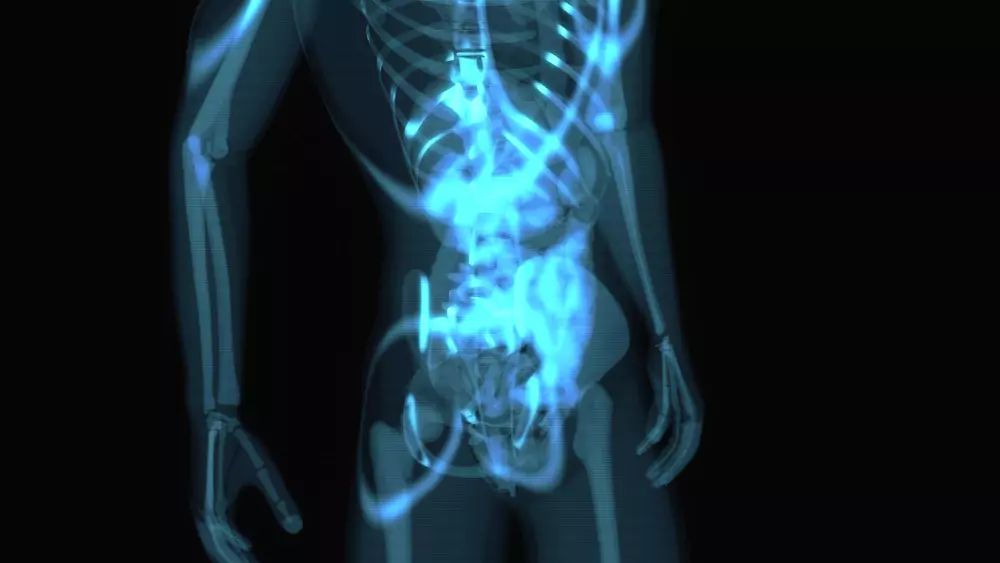
Full body MRI is a detailed examination of the entire body using magnetic resonance imaging. This method allows imaging of the brain, spine, neck, chest, abdomen, pelvis, muscles, and skeletal system in a single scan. The goal is to detect diseases at an early stage and to enable accurate treatment planning. Full body MRI is important in many areas, such as cancer screenings, metastasis investigations, spinal disorders, and musculoskeletal problems. Additionally, it can be safely applied across different age groups due to its radiation-free and reliable nature.
How is Full Body MRI Performed?
During a full body MRI, the patient lies on their back on a table and is placed inside the MRI machine. The device uses strong magnetic fields and radio waves to generate detailed images of the organs. The patient must remain still during the scan, as even minor movement can affect image quality. The procedure typically lasts between 45 and 90 minutes. In some cases, a contrast agent may be administered intravenously to provide more detailed imaging. The patient does not feel any pain during the scan, but may hear sounds from the machine.
What are the Uses of Full Body MRI?
Full body MRI is used for screening and diagnosing a variety of conditions. In cancer screenings, it helps identify the origin of a tumor and determine if it has spread to other parts of the body. It is also important for monitoring neurological diseases such as multiple sclerosis (MS), spinal and nervous system disorders. Full body MRI can be used for chronic musculoskeletal pain, joint disorders, and sports injuries. Especially in situations requiring early detection, full body MRI offers the advantage of evaluating multiple organs in a single session.
What are the Features of Full Body MRI?
The most important feature of full body MRI is that it is radiation-free and safe. Therefore, it can be safely applied to children and non-pregnant women. High-resolution imaging, clear visualization of soft tissues, and the ability to examine multiple organs simultaneously are the method’s key advantages. Full body MRI also helps detect diseases early, enabling prompt initiation of treatment. It is one of the most comprehensive imaging methods for routine check-ups, cancer screenings, and monitoring systemic diseases.
How Long Does a Full Body MRI Check-Up Take?
A full body MRI check-up typically lasts between 45 and 90 minutes. The duration can vary depending on the technology of the device, the regions being scanned, and whether a contrast agent is used. During the procedure, the patient lies on their back while sectional images of the entire body are taken. Since the patient must remain still, it is important to maintain a comfortable position throughout the scan. The procedure is painless, though earplugs or headphones may be provided due to the machine’s noise. If a more detailed examination is needed, the duration can extend up to 2 hours.
In What Situations is Full Body MRI Taken?
Full body MRI is preferred especially for cancer screenings, metastasis investigations, spinal disorders, and widespread musculoskeletal problems. It can be used to investigate unexplained chronic pain, weight loss, persistent fatigue, and other general health issues. It is also important for monitoring the progression of immune system diseases and assessing organ damage after trauma. People who want to undergo regular health check-ups can include full body MRI as part of their evaluation.
What Diseases Can Be Diagnosed with Full Body MRI?
Full body MRI helps detect many diseases at an early stage. Cancers, particularly lymphoma, lung, liver, pancreas, and bone tumors, can be identified using this method. It can also reveal whether metastasis is present. Changes in the nervous system caused by multiple sclerosis (MS) and other neurological disorders, spinal lesions, and vascular diseases can be detected. Musculoskeletal problems such as connective tissue tears, joint issues, and inflammatory rheumatic diseases can also be diagnosed. Therefore, full body MRI allows the detection of multiple conditions in a single session.
How Long Until Full Body MRI Results Are Ready?
Full body MRI results are usually available the same day or the next day. After the scan, a radiologist evaluates the images and prepares a report. This process can vary depending on the scope of the scan and the workload of the center. In emergency cases, a preliminary assessment may be provided quickly. Private hospitals often deliver reports within a few hours, whereas public hospitals may take longer due to high demand. Overall, results are provided quickly, enabling timely treatment planning.
Precautions Before Full Body MRI
Before a full body MRI, patients should follow certain precautions. They should remove metal accessories, jewelry, watches, hairpins, or any devices affected by magnetic fields. Patients with permanent metal implants, pacemakers, or brain stimulators must inform their doctor. Comfortable clothing should be worn, and a special gown may be provided. Fasting is usually not required, but if a contrast agent will be used, the doctor may ask the patient to fast for a few hours. Patients with claustrophobia should inform the center beforehand, so sedatives or an open MRI option can be considered.
Who Should Get a Full Body MRI?
Full body MRI is particularly recommended for people at risk of cancer. Individuals with a family history of cancer, unexplained weight loss, chronic fatigue, or persistent pain can benefit from this scan. It is also used for monitoring multiple sclerosis (MS) and similar neurological diseases, assessing vascular risk, and evaluating musculoskeletal or rheumatic disorders. Additionally, it is an important tool for detecting metastasis and determining whether an existing tumor has spread to other organs.
Does Full Body MRI Contain Radiation?
Full body MRI is performed entirely using magnetic fields and radio waves. Therefore, it contains no radiation. This feature allows safe application in children, young adults, and elderly patients. The absence of radiation is one of its major advantages. It can be repeated multiple times without harm, making it especially useful for cancer risk assessments and chronic disease monitoring.
Full Body MRI Prices 2026
In centers with advanced technology, prices may be higher. If contrast, high resolution, detailed protocol, and comprehensive scanning are included, the cost can range from approximately 15,000 to 25,000+ TL. For the most accurate and up-to-date pricing, it is best to contact the imaging center directly.
Can I Get a Full Body MRI if I Suspect Cancer?
Full body MRI is one of the most commonly used screening methods for patients with suspected cancer. It can detect masses anywhere in the body and determine whether a tumor has spread to other organs. It offers a major advantage for early diagnosis because it is radiation-free and provides detailed imaging of organs. Individuals with a family history of cancer, unexplained weight loss, or chronic fatigue can also use full body MRI to assess cancer risk. The doctor may request a full body MRI based on symptoms, allowing early detection of diseases.
Can Pregnant Women and Children Have Full Body MRI?
Full body MRI can be safely performed in children because it contains no radiation. It is often used to monitor congenital diseases, musculoskeletal disorders, or suspected tumors in children. For pregnant women, the first trimester is usually avoided unless absolutely necessary due to critical fetal development. In urgent or life-threatening situations, it can be performed with doctor approval. In the second and third trimesters, it is generally considered safe. Therefore, it is widely applicable to children and selectively to pregnant women under medical supervision.
Can I Wear Makeup During a Full Body MRI?
It is not recommended to wear makeup during a full body MRI. Some cosmetic products contain metallic particles that can be affected by the MRI’s magnetic field, reducing image quality. There is also a risk of skin irritation or burns. Patients are advised to remove makeup, nail polish, and any metal-containing cosmetics before the scan to obtain clearer images and ensure safety.
Can Patients with Metal Implants Have a Full Body MRI?
Because MRI uses a strong magnetic field, patients with metal in their bodies may face risks. Individuals with pacemakers, brain stimulators, cochlear implants, or metal prostheses must inform their doctor. Some modern prostheses are MRI-compatible, allowing the scan. However, non-compatible devices pose serious risks. Small metal fragments in the eye or old surgical screws can also cause problems. A detailed history and, if necessary, X-rays are taken to detect metal. In unsuitable cases, alternative methods like CT may be preferred.
Is Any Medication Used During Full Body MRI?
Full body MRI is usually performed without medication. Standard imaging uses only magnetic fields and radio waves. However, in some cases, a contrast agent may be administered intravenously to provide clearer imaging of tumors, inflammation, blood vessel blockages, or abnormal tissues. Contrast is not mandatory for all patients and is applied only if deemed necessary by the doctor. This allows even small differences in tissues to be visualized in detail.
Does the Contrast Agent Cause Allergies?
Contrast agents are generally safe and rarely cause serious allergic reactions. Some patients may experience mild nausea, dizziness, or itching. In very rare cases, severe allergic reactions can occur. Patients with kidney disease undergo kidney function tests before contrast administration, as the agent is excreted via the kidneys. Those with a known allergy to contrast must inform their doctor to ensure safety.
Can I Have Full Body MRI if I Already Have a Diagnosed Disease?
Full body MRI can be safely performed in patients with chronic or diagnosed conditions. Diabetes, hypertension, heart disease, or rheumatic disorders usually do not prevent MRI. However, metal prostheses, pacemakers, or non-MRI-compatible implants may pose risks. Kidney failure may limit contrast use. Patients should inform the doctor about existing conditions and medications to ensure a safe examination.
Can Full Body MRI Replace Mammography?
Full body MRI provides a general scan of the body but does not replace mammography. Mammography is specifically designed to examine breast tissue using low-dose X-rays and remains the most reliable method for breast cancer screening. While full body MRI can image the breast, mammography has superior sensitivity for early detection. Therefore, mammography is still recommended for women over 40, and MRI can be used as a supplementary tool when detailed assessment is needed.
Can Full Body MRI Replace Prostate Screening?
Full body MRI can image the prostate but does not replace standard prostate screening. PSA testing and multiparametric prostate MRI are preferred for focused assessment. Full body MRI provides general information but detailed evaluation requires specialized prostate imaging. Thus, it can be used as a supplement but not as a standalone screening method.
Can Full Body MRI Replace Thyroid Ultrasound?
Full body MRI can visualize the thyroid region, but ultrasound is more sensitive for detailed thyroid evaluation. Ultrasound easily detects nodules, cysts, or small structural changes. MRI provides information on larger masses but cannot achieve the same resolution as ultrasound. Therefore, thyroid ultrasound remains the gold standard, while full body MRI offers general insights in overall screening.
Is Full Body MRI Available?
Yes, full body MRI is available in many centers, especially in large cities at private imaging facilities and some university hospitals. During the procedure, the patient is scanned from head to toe, capturing sectional images of all organs. It is increasingly included in check-up programs for early detection. It can be applied to all age groups, except during the first trimester of pregnancy without medical approval.
How Long Does Full Body MRI Take?
A full body MRI typically lasts between 45 and 90 minutes. The duration depends on the machine’s technology, use of contrast, and the patient’s ability to remain still. If only certain regions are scanned, the time is shorter; a full head-to-toe scan takes nearly an hour. The patient must remain completely still. The procedure is completely painless, though the machine’s loud noises may be heard.
Can MRI Detect Cancer?
MRI is frequently used in cancer detection because it provides detailed imaging of soft tissues. Tumors, masses, metastases, and abnormal tissue formations can be seen on MRI. The use of contrast makes the distinction between cancerous and healthy tissues clearer. However, MRI alone cannot provide a definitive diagnosis. When a suspicious mass is detected, biopsy and laboratory tests are also necessary. Nevertheless, MRI plays a crucial role in early cancer detection and treatment planning.