What is Full Abdominal Ultrasound?
Full abdominal ultrasound is a comprehensive imaging method that examines all organs in the abdominal region. The liver, gallbladder, kidneys, pancreas, spleen, bladder, and parts of the intestines can be visualized during this examination. Additionally, the prostate in men and the uterus and ovaries in women can be evaluated using ultrasound. Instead of focusing on a specific area, it allows examination of all abdominal organs simultaneously. For this reason, it is frequently used both in routine health checks and to investigate the cause of symptoms.
How is Full Abdominal Ultrasound Performed?
During a full abdominal ultrasound, the patient usually lies on their back. A special ultrasound gel is applied to the abdominal area, and the device’s probe is moved over the skin to project the organs onto the screen. The procedure is completely painless. If necessary, the patient may be turned to the side to capture images from different angles. To clearly visualize organs such as the kidneys and bladder, it is recommended to drink a sufficient amount of water before the examination. This fills the bladder and enhances image quality. The procedure typically lasts 15–30 minutes.
What is the Abdominal Area?
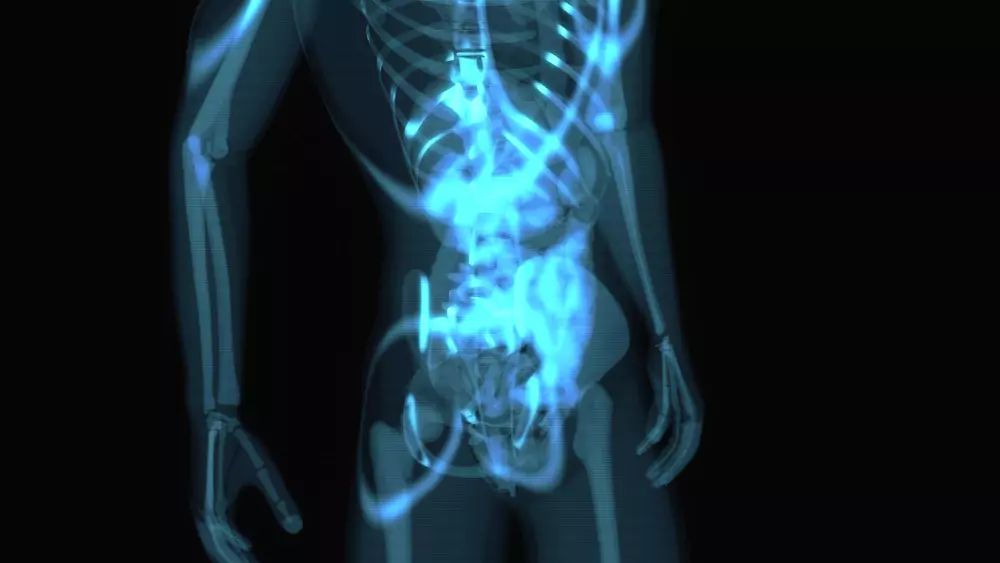
The abdomen is the area between the chest and the groin, also known as the abdominal cavity. It contains many organs related to the digestive, excretory, and reproductive systems. The liver, stomach, intestines, kidneys, pancreas, gallbladder, spleen, bladder, and reproductive organs are located in the abdominal area. Since this region covers a large area, full abdominal ultrasound is preferred in cases of pain, swelling, or digestive system problems.
When is Full Abdominal Ultrasound Performed?
Full abdominal ultrasound is requested for symptoms such as abdominal pain, nausea, indigestion, urinary problems, suspected kidney stones, gallstones, or liver diseases. It is also used to detect masses, fluid accumulation, or organ enlargement in the abdomen. It is preferred for routine health checks, monitoring chronic diseases, and preoperative evaluations. In women, ovarian cysts and uterine problems, and in men, prostate issues can be identified through this examination.
Is Full Abdominal Ultrasound Harmful?
Full abdominal ultrasound is not harmful. It contains no radiation and works entirely with sound waves. Therefore, it can be safely performed on children, pregnant women, and the elderly. Frequent use does not pose any health risk. Due to its lack of side effects, it is often the first-choice method for evaluating many diseases. Patients can immediately return to their daily activities after the procedure.
How Long Does Full Abdominal Ultrasound Take?
Full abdominal ultrasound usually takes between 15 and 30 minutes. The duration may vary depending on the condition of the organs and the clarity of the images. In some patients, more detailed examination of the organs may extend the procedure slightly. Waiting may also be necessary to visualize organs such as the kidneys, gallbladder, or bladder depending on their fullness. Therefore, the procedure may be completed in a shorter time for some, while in other cases, it may take up to half an hour.
When Are Full Abdominal Ultrasound Results Available?
Full abdominal ultrasound results are usually available on the same day. After the scan, a radiologist evaluates the images and prepares a report. In most hospitals, this report is delivered within a few hours. However, depending on workload, it may take up to one day. In urgent situations, the doctor can provide a preliminary assessment immediately, allowing treatment to begin without delay.
What Can Be Detected with Full Abdominal Ultrasound?
Full abdominal ultrasound can detect liver enlargement, fatty liver, gallstones, kidney stones, kidney cysts, pancreatic inflammation, spleen enlargement, bladder problems, and many other conditions. In women, uterine and ovarian cysts, and in men, prostate problems can also be visualized. Fluid accumulation in the abdomen, intestinal dilation, or the presence of masses can also be identified. Early detection accelerates treatment and provides important information about the overall health of organs.
Precautions Before Full Abdominal Ultrasound
Fasting is generally recommended before full abdominal ultrasound. Especially for clear imaging of the gallbladder and pancreas, fasting for 6–8 hours is necessary. For kidney and bladder visualization, drinking plenty of water is advised to fill the bladder and improve image quality. Avoiding gas-producing foods also enhances image clarity. Wearing comfortable clothing during the procedure makes the process easier. Following any special instructions given by the doctor helps achieve more accurate results.
Which Diseases Can Be Detected with Full Abdominal Ultrasound?
Full abdominal ultrasound can be used to diagnose many diseases since it evaluates multiple organs in the abdominal cavity simultaneously. Liver diseases are among the most common findings, including liver enlargement, signs of cirrhosis, fatty liver, and masses. Gallstones, sludge, and inflammation in the gallbladder are clearly visible. Kidney stones, cysts, infections, or urinary tract dilation or obstruction can be identified. Pancreatic inflammation, masses, or structural changes can be assessed. Spleen enlargement, post-traumatic bleeding, or masses may also be detected. In women, uterine and ovarian cysts, and in men, prostate problems can be examined. Intestinal dilation, fluid accumulation in the abdomen, and suspicious abdominal masses can also be identified. Therefore, full abdominal ultrasound plays an important role in early disease detection.
Full Abdominal Ultrasound Prices 2026
In some institutions, prices may exceed this range, especially if offered as part of a comprehensive package. In 2026, the average cost of full abdominal ultrasound at private imaging centers is approximately 2,000–4,000 TL. Detailed imaging, advanced equipment, or urgent reports may increase the price.
Those considering full abdominal ultrasound should contact the hospital or imaging center beforehand to obtain current pricing information.
Why is Abdominal Ultrasound Requested?
Abdominal ultrasound is commonly used to examine the health of organs in the abdominal area. Doctors may request this test for abdominal pain, nausea, bloating, difficulty urinating, liver function disorders, suspected kidney or gallstones, or possible masses in the abdomen. It is also preferred for routine health checks, monitoring chronic conditions such as fatty liver or cirrhosis, preoperative evaluations, or investigation of infections, cysts, or tumors in abdominal organs.
Which Organs Are Examined in Full Abdominal Ultrasound?
Full abdominal ultrasound covers almost all organs in the abdominal cavity. The liver, gallbladder, kidneys, spleen, pancreas, stomach, parts of the intestines, bladder, and blood vessels are evaluated in detail. The prostate in men and the uterus and ovaries in women can also be visualized. This allows simultaneous assessment of multiple organs while investigating different symptoms. The main advantage of full abdominal ultrasound is its ability to evaluate several organs in a single procedure.
Should Water Be Drunk Before Full Abdominal Ultrasound?
For clearer imaging of certain organs, drinking water before full abdominal ultrasound may be necessary. A full bladder is required for detailed examination of the bladder and kidneys, so patients are asked to drink several glasses of water and avoid urinating until the procedure is complete. For clear imaging of the liver, gallbladder, and pancreas, fasting for 6–8 hours is generally recommended. This ensures the gallbladder is full and prevents gas buildup in the intestines. The doctor provides specific instructions to the patient beforehand.
How Long Does Abdominal Ultrasound Take?
Abdominal ultrasound usually lasts between 15–20 minutes. However, the duration may vary depending on the scope of the examination. If a full abdominal ultrasound is performed and all organs are evaluated in detail, the procedure can take up to 30 minutes. In some patients, organs may need to be examined from different angles, extending the duration slightly. Overall, it is a comfortable, fast, and safe imaging method. Patients can resume daily activities immediately after the procedure.
Is the Stomach Examined in Full Abdominal Ultrasound?
The stomach is among the organs that can be evaluated during full abdominal ultrasound. The stomach wall, thickness, contents, and surrounding tissues can be assessed. Findings such as narrowing at the stomach exit, masses, or fluid accumulation can be detected. However, detailed evaluation of the stomach may require other methods like endoscopy. Ultrasound still provides important information about the stomach. In patients with digestive complaints, the stomach is checked alongside the liver, pancreas, and gallbladder.
Is Fasting Required for Abdominal Ultrasound?
Fasting is generally recommended before abdominal ultrasound. To clearly visualize the gallbladder and pancreas, fasting for 6–8 hours is necessary. Eating causes the gallbladder to contract and empty, which may hide stones or polyps. Gas in the intestines can also make imaging difficult. Therefore, patients should fast as instructed by their doctor to ensure accurate results.
When Are Full Abdominal Ultrasound Results Available?
Full abdominal ultrasound results are usually available on the same day. The images are evaluated and reported by a radiologist. Depending on hospital workload, this may take a few hours. In emergencies, preliminary results are provided immediately to the physician. For routine checks, the report is typically delivered the same day or by the next day. Rapid result availability is one of the main advantages of ultrasound.
What to Eat Before Full Abdominal Ultrasound?
Dietary considerations are important before full abdominal ultrasound. Avoid gas-producing foods, especially legumes, carbonated drinks, and very fatty meals. To clearly visualize the gallbladder and pancreas, do not eat for at least 6–8 hours before the procedure. Patients with morning appointments should not eat anything after the previous evening. Drinking water is allowed and recommended to fill the bladder for kidney and bladder imaging. This ensures both fasting and optimal organ visualization.
Can Abdominal Ultrasound Be Done During Menstruation?
There is no harm in performing abdominal ultrasound during menstruation. Abdominal ultrasound is conducted externally, so menstrual bleeding does not affect the procedure. Especially for full abdominal ultrasound, organs such as the liver, gallbladder, kidneys, pancreas, spleen, and bladder can be examined regardless of menstruation. However, if a gynecologist wants to evaluate the uterus and ovaries more clearly, certain days of the menstrual cycle may be preferred. Menstruation does not prevent abdominal ultrasound, and the procedure can be performed safely.
Can Lungs Be Seen on Ultrasound?
Ultrasound is very effective for imaging abdominal organs, soft tissues, and blood vessels. However, the lungs are mostly air-filled, so ultrasound waves cannot visualize them clearly. Only fluid accumulation in the pleura can be detected by ultrasound. For detailed evaluation of lung tissue, methods like X-ray, CT (computed tomography), or MRI (magnetic resonance imaging) are preferred. Therefore, ultrasound alone is insufficient for examining lung structure.
Which Organs Are Included in Full Abdominal MRI?
Full abdominal MRI is a detailed examination using magnetic resonance imaging to evaluate all organs in the abdominal region. The liver, bile ducts, gallbladder, kidneys, pancreas, spleen, stomach, certain parts of the intestines, bladder, and blood vessels can be imaged in high resolution. In women, the uterus and ovaries, and in men, the prostate are also included. The main advantage of MRI is that it does not involve radiation and provides detailed cross-sectional views of the organs. Therefore, full abdominal MRI is preferred for detailed evaluation of tumors, cysts, vascular diseases, and inflammatory conditions.