What is Voiding Cystourethrography?
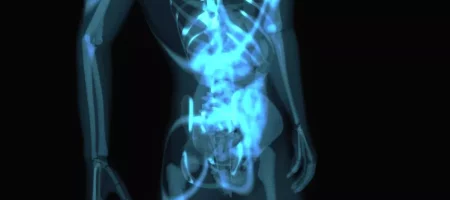
Voiding cystourethrography is a specialized imaging method used to evaluate the function of the urinary tract. It is mainly performed to examine the bladder, urinary tract, and kidneys. The process of urine flow from the bladder through the urinary tract and out of the body is observed in detail during urination. This test helps assess bladder filling and emptying capacity, detect leaks in the urinary tract, and identify vesicoureteral reflux, where urine flows back into the kidneys. It is one of the most frequently used methods to investigate recurrent urinary tract infections in children.
Who is Voiding Cystourethrography Applied To?
Voiding cystourethrography is especially preferred in children to identify the cause of recurrent urinary tract infections. It is also used to evaluate bladder capacity, determine whether urine is refluxing into the kidneys, and examine structural abnormalities in the urinary tract. In adults, it may be performed to assess urinary tract damage after trauma, evaluate bladder function, or investigate urinary problems related to the prostate. Additionally, it plays an important role in detecting congenital urinary tract anomalies.
How is Voiding Cystourethrography Performed?
The voiding cystourethrography procedure is performed under sterile conditions. First, a contrast agent is administered into the bladder via a thin catheter. As the contrast fills the bladder, imaging begins. The patient is then asked to urinate, and images are recorded during urine flow from the bladder to the outside. This allows detailed evaluation of both the bladder and urinary tract function. Although there is some radiation exposure, the dose is low. In children, families are provided with detailed information and preparation instructions before the procedure.
Why Should Voiding Cystourethrography be Preferred?
Voiding cystourethrography is a highly reliable method for detecting anatomical and functional problems in the urinary tract. Unlike ultrasound, which only shows the organ structure, this examination evaluates the function of the organ in detail. It is the most effective method for detecting urine reflux into the kidneys. Early diagnosis helps prevent permanent kidney damage. It also provides crucial information for accurate treatment planning. It can be safely applied across different age groups, from childhood to adulthood.
In What Cases is Voiding Cystourethrography Used?
Voiding cystourethrography is an important method for investigating structural and functional urinary tract problems. It is preferred in cases of recurrent urinary tract infections, suspected urine reflux from the bladder to the kidneys, and complaints of difficulty urinating or incomplete bladder emptying. In children, it is used for frequent urination, bedwetting, or recurrent infections. It is also used to assess bladder and urinary tract damage after trauma.
For Which Diseases is Voiding Cystourethrography Used?
This method is especially reliable for diagnosing vesicoureteral reflux (VUR), where urine flows back from the bladder to the kidneys. It can also detect bladder capacity issues, urinary tract strictures, bladder diverticula, congenital urinary tract anomalies, and bladder emptying problems related to the prostate. In children, it is crucial for early diagnosis of problems that may cause kidney damage. In adults, it can assess trauma-related damage, tumors, or postoperative complications.
Precautions During Voiding Cystourethrography
Maintaining sterile conditions during the procedure is very important because the contrast agent is administered through a catheter, and infection risk exists. Hygiene rules should be followed before and after the procedure. In children, the procedure may cause anxiety, so families should be informed, and the child should be calmed. Mild burning or frequent urination may occur after the procedure, usually resolving quickly. Rarely, an allergic reaction to the contrast agent may occur, in which case the doctor intervenes immediately.
How Long Does Voiding Cystourethrography Take?
The procedure usually takes 20–30 minutes. Duration varies depending on the patient’s age, cooperation, and bladder filling time. In children, it may take longer because of the waiting period for bladder filling and urination. In adults, it is usually completed more quickly. After the procedure, the patient can continue daily activities. Doctors generally recommend drinking plenty of fluids afterward to help flush out the contrast agent and ease the urinary tract.
When Are Voiding Cystourethrography Results Ready?
Results are generally evaluated on the same day. Images obtained during the examination are analyzed in detail by a radiologist and reported. In most centers, results are ready within a few hours, while in busy hospitals, it may take 1–2 days. In children or more complex cases, image review may take longer. Rapid results allow timely treatment, especially for recurrent urinary tract infections or suspected kidney reflux.
Voiding Cystourethrography Prices 2026
Considering similar procedures and other radiology fees in private imaging centers, the expected average cost in private hospitals is approximately 3,000–8,000 TL. Prices may be slightly higher for children requiring special preparation. For the most accurate pricing, patients should check with the institution before scheduling the procedure.
Benefits of Voiding Cystourethrography
Voiding cystourethrography allows detailed structural and functional evaluation of the urinary tract. It clearly identifies bladder filling and emptying processes, urinary tract strictures, congenital anomalies, and severe issues like vesicoureteral reflux. It aids in early detection of conditions that can cause kidney damage. It is highly effective in identifying causes of recurrent urinary tract infections in children and provides guidance for surgical planning and treatment.
Which Department Handles Voiding Cystourethrography?
The procedure is performed in the radiology department. Radiologists record and evaluate the images. However, interpretation and treatment planning are usually carried out by pediatric nephrology or pediatric urology in children, and by urology specialists in adults. Thus, although radiology performs the procedure, patient follow-up and treatment are managed by the relevant specialists. This multidisciplinary approach ensures the most accurate and effective care.
Is Voiding Cystourethrography Harmful?
Voiding cystourethrography uses a low dose of radiation. The dose is very low compared to other imaging methods, making the risk negligible. Although it is frequently applied in children, it is only performed when necessary to minimize long-term risk. The sterile catheter and contrast agent may cause mild burning or discomfort, which usually resolves quickly. Rare allergic reactions to the contrast agent can occur, and the doctor responds immediately. Overall, the benefits of early diagnosis far outweigh the minimal risks of the procedure.
Voiding Cystourethrography in Medicine
In medical terms, voiding cystourethrography is a specialized imaging technique that evaluates both the anatomy and function of the bladder and urinary tract. “Voiding” refers to urination. During the procedure, the bladder is filled with a contrast agent, and images are recorded while the patient urinates. This allows detailed observation of bladder filling and emptying capacity, urinary tract patency, and possible reflux to the kidneys. It is considered one of the most reliable methods for diagnosing vesicoureteral reflux.
How Long Does the Voiding Procedure Take?
The procedure generally takes 20–30 minutes. Duration depends on patient age, bladder capacity, and response to the procedure. In children, bladder filling and urination may take longer, slightly extending the procedure. In adults, it is usually completed faster. Afterward, patients can resume normal activities. Doctors recommend drinking plenty of fluids to help flush out the contrast agent and ease the urinary tract.
Who is Voiding Performed For?
Voiding cystourethrography is applied mainly in children with recurrent urinary tract infections. It is also used in patients suspected of vesicoureteral reflux, with bladder capacity problems, or experiencing difficulty urinating. Additionally, it is used for congenital urinary anomalies, post-trauma urinary tract evaluation, and prostate-related urinary problems. In adults, it plays a role in investigating postoperative complications.
Where is Voiding Cystourethrography Performed?
The procedure is generally performed in hospital radiology departments, including public, university, and some private imaging centers. In children, it is preferably performed by experienced pediatric radiology teams to ensure proper imaging and cooperation. In adults, it is conducted in radiology under the guidance of a urology specialist. Proper equipment and contrast agent preparation must be available. Patients should schedule in advance and follow preparation instructions.
How Long Does Bladder Cystoscopy Take?
Bladder cystoscopy involves inserting a thin camera through the urethra to directly view the bladder. It typically takes 15–20 minutes. If a biopsy or additional intervention is needed, the duration may be slightly longer. Local anesthetic gel is usually applied, and mild sedation may be used. The patient feels only slight pressure. Cystoscopy is useful for both diagnosis and treatment, particularly for bladder tumors, stones, and infections.
What is the Treatment for Bladder Reflux?
Bladder reflux, or vesicoureteral reflux, involves urine flowing back from the bladder to the kidneys. Treatment depends on severity and patient age. Mild cases may be managed with antibiotic prophylaxis, allowing spontaneous resolution. Moderate to severe cases may require endoscopic or surgical intervention. Endoscopic treatment involves injecting a special substance at the ureteral opening to prevent reflux. Severe cases may require reimplantation of the ureter into the bladder. Early treatment prevents permanent kidney damage.
Does Catheterization Hurt in Men?
Discomfort during catheterization varies depending on technique and preparation. Lubricating and local anesthetic gels are applied to minimize pain. Patients usually feel slight burning or pressure, which quickly subsides. Catheterization is safe when performed by experienced staff. Long-term use requires strict hygiene to prevent infection.
How Long Does the Bladder Take to Heal?
Bladder healing depends on the condition and treatment. Simple urinary tract infections may resolve in a few days, while more serious issues can take weeks. Post-bladder stone surgery usually requires a few weeks to regain normal function. Major surgeries like bladder cancer operations take longer. Age, general health, immunity, adherence to treatment, fluid intake, and hygiene all affect recovery.
How is a Blocked Bladder Cleared?
A blocked bladder occurs when urine cannot empty fully, usually due to prostate enlargement, bladder stones, tumors, or strictures. Treatment depends on the underlying cause. Prostate enlargement may require medication or surgery. Stones are usually removed endoscopically. Tumor-related blockages may require surgery or oncology treatment. Temporary relief can be provided with catheterization, but permanent resolution requires treating the underlying cause.
What is Voiding VUR?
Voiding VUR refers to vesicoureteral reflux detected via voiding cystourethrography, where urine flows back from the bladder to the kidneys. This is common in children and can cause permanent kidney damage, so early diagnosis is critical. During the procedure, the bladder is filled with contrast, and images are taken during urination to detect reflux. Mild cases are managed with antibiotics and monitoring, while severe cases may require surgery.
Which Doctor Should Women with Frequent Urination See?
Frequent urination in women may indicate several conditions, including urinary tract infections, bladder inflammation, stones, diabetes, or pelvic floor problems. Patients should first see a urology specialist for evaluation. If the problem is hormonal or gynecological, the patient may be referred to obstetrics and gynecology. If diabetes is suspected, internal medicine or endocrinology may be consulted. Frequent urination should always be taken seriously and assessed by an appropriate specialist.