What is Upper Abdominal Ultrasound?
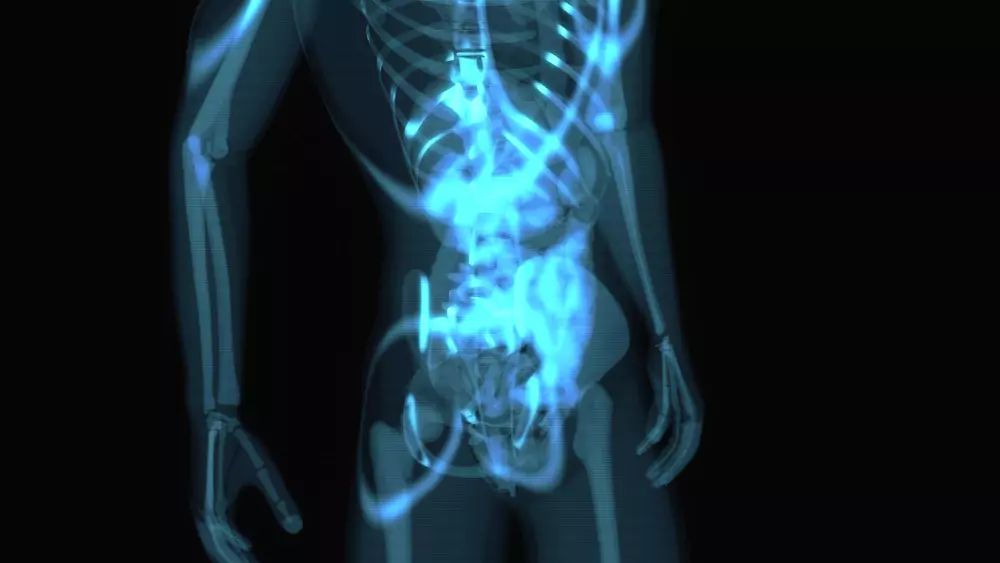
Upper abdominal ultrasound is a medical examination performed to visualize the organs located in the upper part of the abdominal region. This method allows detailed examination of the liver, gallbladder, bile ducts, pancreas, upper parts of the kidneys, and spleen. The ultrasound device uses high-frequency sound waves to visualize the structure of the organs. Since it does not involve radiation, it is considered a safe method. Especially for complaints related to the digestive and excretory systems, upper abdominal ultrasound is one of the first imaging methods used.
Why is Upper Abdominal Ultrasound Performed?
Upper abdominal ultrasound is performed to determine whether there is any mass, cyst, stone, or structural abnormality in the abdominal organs. Suspected liver fat accumulation, enlargement, or tumor, gallbladder stones or inflammation, pancreatic masses or inflammation, spleen enlargement, and anomalies in the upper parts of the kidneys can be detected early with this examination. Additionally, in patients with severe abdominal pain, jaundice, nausea, vomiting, loss of appetite, or unexplained weight loss, upper abdominal ultrasound may be recommended.
How is Upper Abdominal Ultrasound Performed?
Upper abdominal ultrasound is performed with the patient lying on their back. Ultrasound gel is applied to the skin before the procedure, which helps transmit sound waves more clearly. The device’s probe is then moved over the abdomen, and the organs are visualized on the screen. During the examination, the patient may be asked to take deep breaths or change positions to obtain clearer images of the organs. The procedure is painless and usually takes 15-20 minutes. Patients can return to their daily activities immediately afterward.
Why is Upper Abdominal Ultrasound Requested?
Upper abdominal ultrasound is requested to investigate unexplained abdominal pain, digestive problems, suspected gallstones, liver diseases such as hepatitis, pancreatic inflammation such as pancreatitis, spleen enlargement, and upper kidney issues. It can also be used for follow-up of previously diagnosed diseases, post-operative controls, and monitoring the treatment process. It is an important imaging method for both diagnosis and assessment of disease progression.
What Conditions Can Upper Abdominal Ultrasound Diagnose?
Upper abdominal ultrasound can diagnose a variety of conditions, including fatty liver, cirrhosis, cysts, tumors, gallstones, gallbladder inflammation, pancreatic cysts, pancreatitis, spleen enlargement, adrenal gland masses or abnormalities, and certain vascular structures. Early detection of diseases makes treatment easier, making upper abdominal ultrasound important for both diagnosis and follow-up.
What Should Be Considered Before Upper Abdominal Ultrasound?
Some preparations should be made before upper abdominal ultrasound. Fasting for 6-8 hours is usually recommended to prevent gas in the stomach and intestines from obstructing the image. Additionally, the gallbladder should be full to be clearly visualized, which is why fasting is necessary. Drinking plenty of water is generally not recommended before the procedure, as a full stomach and intestines can hinder visualization of some organs. Following the doctor’s instructions is crucial for obtaining accurate results.
Which Organs are Examined in Upper Abdominal Ultrasound?
During upper abdominal ultrasound, the liver, gallbladder, bile ducts, pancreas, spleen, and upper parts of the kidneys are visualized. The size, structure, and potential disease indicators of these organs are evaluated. Fatty liver, cysts, or tumors in the liver, stones or inflammation in the gallbladder, masses or inflammation in the pancreas, spleen enlargement or masses, and adrenal glands located above the kidneys can be assessed. This allows early detection of many diseases.
How Long Does Upper Abdominal Ultrasound Take?
Upper abdominal ultrasound generally takes 15-20 minutes. However, depending on the patient’s complaints, organ visualization, or the need for additional examination, the duration may be slightly longer. The patient lies comfortably on the table, gel is applied, and the organs are examined using the probe. The procedure is painless, and patients feel no discomfort, allowing them to continue their daily activities afterward.
When Are Upper Abdominal Ultrasound Results Ready?
Results are usually available shortly after the examination. The radiologist reviews the organ images and prepares a report. The report is generally delivered to the patient on the same day or within a few hours. In some cases requiring detailed analysis, it may take one to two days. Quick results facilitate faster diagnosis and treatment planning.
Upper Abdominal Ultrasound Prices 2026
If the device is more advanced, the operator is highly experienced, or additional examinations are needed, the price may range from 2,500 to 6,000 TL or slightly higher. Prices may also vary between cities. Factors affecting the cost include the technological capabilities of the equipment, the doctor’s experience, and additional services offered by the hospital.
What Does Upper Abdominal USG Mean?
Upper abdominal USG, or upper abdominal ultrasonography, is an examination that allows visualization of the organs in the upper part of the abdominal cavity using sound waves. It is a safe method since it does not involve radiation. Organs such as the liver, gallbladder, pancreas, spleen, and upper parts of the kidneys are evaluated. Organ size, structural features, and potential disease indicators are examined. Many conditions such as cysts, tumors, stones, inflammation, or organ enlargement can be detected. It is a frequently requested test by doctors because it provides fast, painless, and practical results.
Can Water Be Drunk Before Upper Abdominal Ultrasound?
Patients are generally required to fast before upper abdominal ultrasound to ensure the gallbladder is full for clear imaging. Fasting is usually recommended for 6-8 hours. Water intake depends on the purpose of the examination; small amounts may be allowed, but excessive water can fill the stomach and intestines, reducing image quality. Following the doctor’s instructions is essential for proper preparation.
What Can Be Seen in Abdominal Ultrasound?
Many organs can be examined simultaneously with abdominal ultrasound. Liver size, structure, and any masses, gallstones or inflammation in the gallbladder, cysts or tumors in the pancreas, spleen enlargement, and kidney stones, cysts, or tumors can be visualized. Major blood vessels, adrenal glands, and abdominal fluid can also be assessed. When full abdominal ultrasound is performed, lower abdominal organs can also be visualized, providing comprehensive information about both the upper and lower abdomen.
Can the Intestines Be Seen on Ultrasound?
Ultrasound is not always the most suitable method for directly evaluating the intestines because gas within them can reduce image clarity. However, thickening, masses, obstruction, inflammation, or free fluid in the abdomen can be detected. Early signs of conditions like Crohn’s disease, appendicitis, or intestinal tumors may also be observed. For more detailed evaluation, CT or MRI may be used.
Why is Intestinal Ultrasound Performed?
Intestinal ultrasound is important for early diagnosis of digestive system problems. It is particularly recommended for patients with abdominal pain, bloating, constipation, diarrhea, blood in the stool, or sudden weight loss. The examination can assess intestinal wall thickening, inflammatory diseases, appendicitis, diverticulitis, intestinal obstruction, and tumors. It is safe for children and pregnant women because it does not use radiation. Early detection allows for more effective treatment planning.
What Does the Upper Abdomen Include?
The upper abdominal region includes the organs located in the upper part of the abdominal cavity. This includes the liver, gallbladder, bile ducts, spleen, pancreas, and upper parts of the kidneys. Major blood vessels and adrenal glands are also examined. These organs are crucial for digestion, hormone production, blood circulation, and the immune system. Therefore, upper abdominal ultrasound is frequently used for early detection of many diseases.
How is Upper Abdominal Ultrasound Performed?
Upper abdominal ultrasound is a painless and fast procedure performed by a radiologist. The patient usually lies on their back on a table. Special gel is applied to the abdomen, which helps transmit sound waves clearly. The probe is then placed on the skin to capture images of the organs. The patient may be asked to take deep breaths or slightly change position during the procedure. The entire process takes about 15-20 minutes, and the patient can return to daily activities immediately afterward.
Is Upper Abdominal Ultrasound Painful?
Upper abdominal ultrasound is completely painless. The patient only feels the cold gel applied to the skin, with no other discomfort. No needles, medications, or radiation are used, making it a safe examination. It can be comfortably performed on children, elderly patients, and pregnant women. Following the doctor’s instructions is sufficient. Therefore, upper abdominal ultrasound is considered one of the most comfortable and risk-free imaging methods.
What Are the Advantages of Upper Abdominal Ultrasound?
Upper abdominal ultrasound offers several advantages. First, it is safe for a wide range of patients, from children to the elderly, because it does not involve radiation. Second, it is fast and practical, providing quick results in emergencies. It allows simultaneous evaluation of the liver, gallbladder, pancreas, spleen, and upper parts of the kidneys. No needle, medication, or anesthesia is required, reducing patient burden. In just a few minutes, detailed information about organ structures can be obtained. Its low cost is also an important factor for preference.
When Are Abdominal Ultrasound Results Ready?
Abdominal ultrasound results can usually be obtained on the same day. After the procedure, the radiologist reviews the images and prepares a report, which is typically ready within a few hours. Depending on workload or the detail required, it may take one to two days. Fast results allow the doctor to quickly develop a treatment plan. In emergencies, preliminary reports may be provided immediately.
Which Organs Are Included in Upper Abdominal MRI?
Upper abdominal MRI provides detailed imaging of the organs in the upper part of the abdominal cavity. It includes the liver and its vessels, gallbladder and bile ducts, pancreas, spleen, upper parts of the kidneys, and adrenal glands. Major blood vessels are also visualized to detect narrowing, obstruction, or dilation. MRI provides detailed information about both the structure and function of organs, allowing detection of small lesions that may not be visible on ultrasound.
When Are Ultrasound Results Ready in Public Hospitals?
In public hospitals, ultrasound results are usually ready on the same day. However, depending on workload, it may take one to two days. In emergencies, priority reporting is done, and results are delivered quickly to the patient. The radiologist evaluates the images and prepares a detailed report, which is forwarded
to the patient’s follow-up physician for timely treatment planning.
Which Doctor Performs Abdominal Ultrasound?
Abdominal ultrasound is performed and interpreted by a radiologist. The radiologist examines the images and prepares a report. The physician who evaluates this report and guides the treatment process is usually the specialist managing the patient. For example, gastroenterologists handle liver complaints, nephrologists or urologists manage kidney issues, and general surgeons deal with bile duct diseases. This ensures the most accurate treatment plan for each specific condition.