What is Thorax Computed Tomography (CT)?
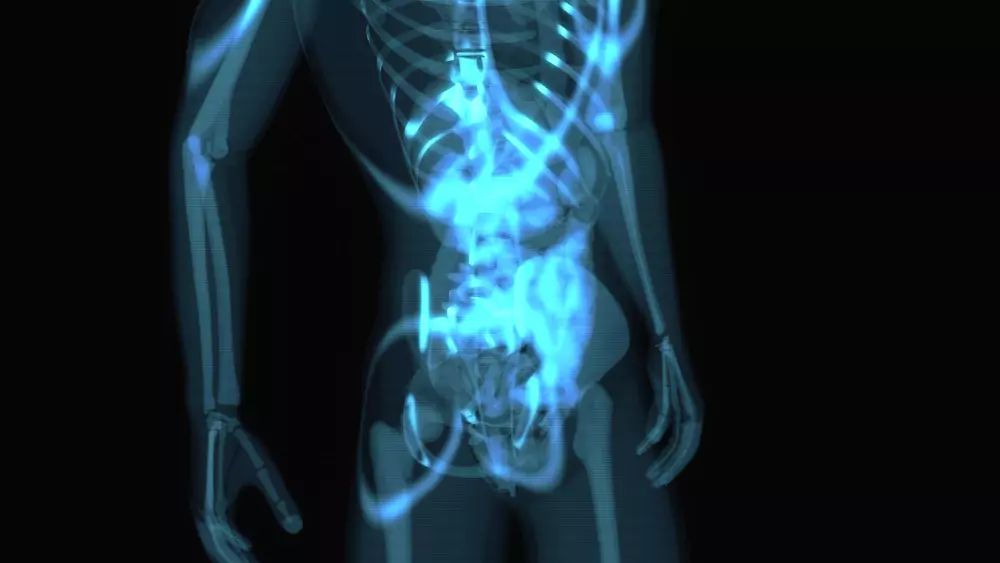
Thorax computed tomography (CT) is an imaging method performed with a CT scanner that allows detailed examination of the organs and tissues in the chest area. This method enables detailed imaging of the lungs, heart, major vessels, rib bones, and chest wall.
Cross-sectional images are obtained to examine both soft tissues and bone structures. Small structures that cannot be clearly seen on standard X-rays are revealed with high resolution through CT. Therefore, thorax CT is an important tool for diagnosis in modern medicine.
Why is Thorax CT Requested?
CT is requested when a suspicious condition is detected in the chest area. It is particularly preferred for evaluating lung nodules, pneumonia, tuberculosis, emphysema, or lung cancer. It is also used to detect abnormalities in the heart and major vessels.
Thorax CT can also be applied after trauma to check for fractures in the chest cage, internal bleeding, or organ damage. Doctors may prefer this method for detailed examination when symptoms such as shortness of breath, persistent cough, chest pain, or blood in the sputum are present.
How is Thorax Computed Tomography Performed?
During the examination, the patient lies on their back inside the CT scanner. They are positioned to remain still, and they may be asked to hold their breath briefly during the scan. Imaging is performed as the device rotates around the patient, capturing multiple cross-sectional images.
In some cases, contrast material is injected intravenously to enhance image quality. This is especially important for examining vascular structures and tumors. The procedure usually takes 5–10 minutes and is painless. The obtained images are processed on a computer to prepare a detailed report.
Which Area is Examined with Thorax CT?
This test is performed on the thorax, also known as the chest area. It evaluates the lungs, heart, aorta and pulmonary vessels, ribs, sternum, and chest wall. The mediastinum, the central area containing the heart and major vessels, is also examined.
Lymph nodes in the chest, the pleura, and the airways can also be clearly visualized with CT. This allows simultaneous assessment of multiple organs within the chest region.
Which Diseases Can Thorax CT Diagnose?
This method, which examines the chest area, is used to diagnose various diseases. Respiratory conditions such as lung cancer, pneumonia, tuberculosis, emphysema, and bronchiectasis can be visualized in detail with thorax CT. Masses or nodules in the chest cage can also be detected.
It plays an important role in diagnosing heart and major vessel disorders, such as aneurysms, vascular occlusions, or embolisms. In trauma cases, bone fractures, internal bleeding, and lung injuries can be rapidly identified. It is preferred when symptoms such as chest pain, shortness of breath, cough, or blood in the sputum are present.
How Long Does Thorax CT Take?
The procedure is relatively short. Including preparation, the total duration is typically 10–15 minutes. The imaging itself usually takes just a few minutes. If contrast material is used, additional minutes may be required for intravenous access and circulation of the agent.
Patient stillness and brief breath-holding when needed ensure clearer images. Therefore, despite its short duration, the images obtained are highly detailed.
When Will Thorax CT Results Be Available?
After imaging, the obtained cross-sections are processed on a computer. A radiologist evaluates these images in detail and prepares a report. The timing of results may vary depending on the workload of the center.
Typically, the report can be ready on the same day. However, for detailed examinations, results may take one or a few days. In emergency cases, the report is delivered to the patient’s physician more quickly.
Is Thorax CT Safe?
CT uses X-rays, so it involves a low level of radiation. However, the dose used is quite limited compared to its diagnostic benefit. Modern devices minimize radiation exposure, keeping it within safe limits.
Caution is advised for individuals who may be pregnant. Otherwise, it can generally be performed safely in adults. Rarely, contrast material may cause allergic reactions, so a patient’s history of drug allergies is checked in advance. Overall, thorax CT is a reliable and widely used method for accurate diagnosis.
Features of Thorax CT
Thorax CT, performed with a CT scanner, provides detailed examination of the chest area. It allows high-resolution cross-sectional imaging of the lungs, heart, major vessels, ribs, spine, and chest wall. Small nodules or lesions that cannot be seen on standard chest X-rays are clearly visualized with CT.
Multiple images are obtained from different angles and can be reconstructed in three dimensions on a computer. This enables detailed examination not only of the lungs but also the mediastinum, including the heart, vessels, and lymph nodes. When necessary, contrast material can be used to make vascular structures, tumor borders, and inflammatory processes more visible.
Is Any Preparation Required Before Thorax CT?
This examination usually does not require special preparation. The patient can continue normal eating and take medications. However, if contrast material is used, fasting for a few hours may be required. Contrast is injected intravenously to better visualize vessels and pathological areas.
Pre-tests are important for patients with kidney disease, thyroid disorders, or contrast allergies. Pregnancy should be reported to the doctor before the CT scan. The patient should not wear metal jewelry, belts, or accessories to ensure clearer images.
Thorax CT Prices 2026
CT prices vary depending on the facility, technology of the device, use of contrast material, and scope of the examination. Prices are generally higher in private healthcare centers, while public hospitals and institutions with SGK agreements offer lower costs.
As of 2026, thorax CT prices range from approximately 1,500 TL to 10,000 TL. If contrast-enhanced imaging is performed, the cost may be higher. For exact pricing, contact the facility where the test will be conducted.
Is Thorax CT Harmful?
Thorax CT, which uses X-rays, involves low-level radiation. Modern devices reduce radiation dose to the lowest possible level. Single scans in healthy individuals are not expected to cause long-term harm.
However, during pregnancy, the fetus is more sensitive to radiation, so CT is carefully considered and only performed in emergencies. For children, alternative methods are preferred whenever possible. In adults, the diagnostic benefit outweighs the low radiation risk.
Advantages of Thorax CT
This method allows detailed examination of the chest organs. Small nodules, tumors, or infection sites in the lungs can be detected early. Vascular structures and the mediastinum can also be clearly visualized.
Rapid results provide a major advantage in emergency cases. Quick identification of internal bleeding or bone fractures in trauma patients can be life-saving. Additionally, 3D reconstructions provide detailed information for surgical planning.
Disadvantages of Thorax CT
The main disadvantage is radiation exposure, which is more relevant in repeated scans. In some cases, intravenous contrast material may cause allergic reactions and, rarely, affect kidney function.
Another disadvantage is that image quality may decrease in patients who move during the scan. Failure to follow breath-holding or stillness instructions can result in blurred images. This is a common problem in children or uncooperative patients.
Does Thorax CT Involve Radiation?
This method uses X-rays, so it involves radiation. However, the dose is slightly above natural background radiation encountered in daily life. Modern radiology devices minimize this dose.
The diagnostic benefit outweighs the radiation risk. Therefore, doctors only request CT when necessary and avoid unnecessary scans.
Should Clothing Be Removed During Thorax CT?
Metal-containing clothing or accessories should not be worn during imaging. Bra wires, necklaces, or zippers can interfere with image quality. Patients usually wear a special gown.
It is not necessary to remove all clothing, but metal objects must be removed to maintain image clarity and prevent misinterpretation.
Which Doctor Requests Thorax CT?
Typically, a pulmonologist requests this test. Thorax CT is indicated for persistent cough, shortness of breath, chest pain, or suspected lung masses. Oncologists, cardiologists, and emergency physicians may also request this imaging when necessary.
In short, any specialist suspecting a chest-related disease may request thorax CT to clarify the diagnosis.
Which Department Handles Thorax CT?
The test is performed by the radiology department. Imaging is carried out by a radiologist, and the obtained cross-sections are reported in detail. The report is sent to the requesting physician.
Pulmonology, thoracic surgery, oncology, cardiology, or emergency physicians review the report and determine the treatment plan. In other words, radiology performs the scan, while the evaluation is done by the department relevant to the patient’s complaint.