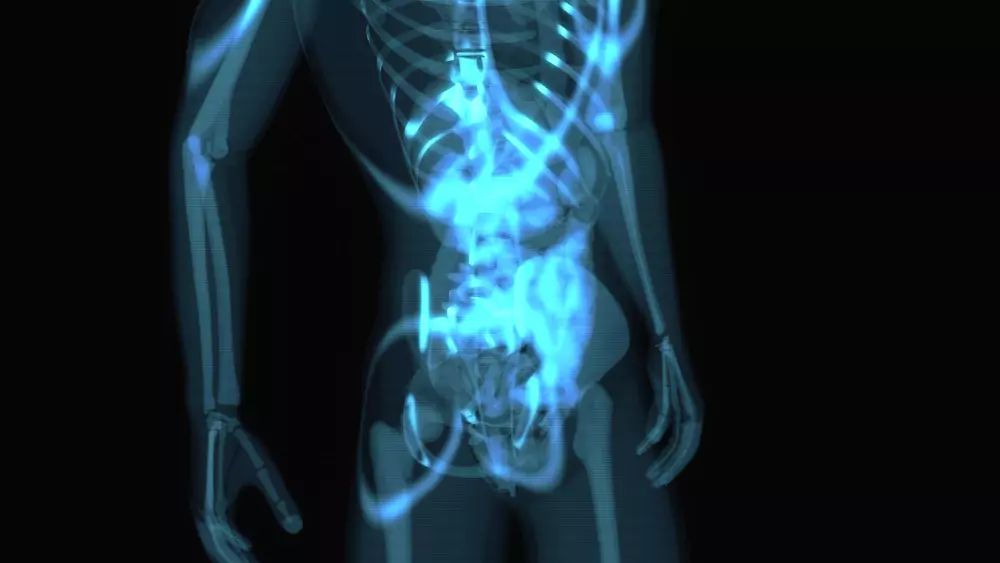
What is Pelvic Ultrasound?
Ultrasound is one of the most commonly used imaging methods in medicine, and pelvic ultrasound is a special type of this technique. It is preferred to visualize the organs located in the lower abdominal region and allows detailed examination of tissues through sound waves. During this examination, regions such as the uterus, ovaries, bladder, and prostate can be observed in detail. Since it does not involve radiation and is considered safe, it is one of the primary diagnostic tools used for both women and men for different reasons. Doctors use this method during routine check-ups, to investigate suspicious conditions, or to monitor existing diseases, making it an important step in the early diagnosis of illnesses.
How is Pelvic Ultrasound Performed?
During the procedure, patients are usually asked to have a full bladder. This is because a full bladder provides clearer views of the surrounding tissues. The examination can be done via transabdominal or transvaginal methods. In the transabdominal method, gel is applied to the abdomen, and images are obtained with the help of a probe. Transvaginal ultrasound, on the other hand, is mainly used for gynecological conditions and is performed with a thin probe inserted into the vagina. For men, different probe angles may be used to assess the bladder and prostate. There is no pain during the procedure, only a mild pressure may be felt. The entire process is completed quickly, and patients can easily return to their daily activities.
Why is Pelvic Ultrasound Performed?
This test may be requested for many different reasons. In women, menstrual irregularities, infertility suspicions, ovarian cysts, or problems related to the uterus can be examined with ultrasound. During pregnancy, the baby’s development, placental condition, and amniotic fluid can also be evaluated through pelvic ultrasound. In men, it can be used to assess prostate enlargement, urinary problems, or bladder conditions. It is also an important diagnostic tool for detecting tumors, cysts, or structural abnormalities. The fact that it is one of the first methods applied in patients with sudden abdominal pain, abnormal bleeding, or urinary problems highlights the importance of pelvic ultrasound.
Which Areas are Examined in Pelvic Ultrasound?
Many organs in the lower abdominal region can be evaluated using this method. In women, the uterus, cervix, ovaries, and fallopian tubes can be visualized, while in men, the prostate and bladder are more prominent. In both genders, the lower parts of the kidneys and surrounding vascular structures can also be observed. This makes it possible to identify not only disorders directly related to pelvic organs but also some signs of systemic diseases. During the examination, the doctor changes the position of the probe to obtain images from different angles and achieve the clearest results.
What are the Features of Pelvic Ultrasound?
This imaging method is safe, easy to apply, and repeatable for patients. Since it does not involve radiation, it can be safely performed on pregnant women and children. Its ability to provide quick results accelerates both diagnosis and treatment processes. Thanks to technological advancements in devices, much clearer and higher-resolution images can be obtained today. Its ability to be applied quickly in emergencies, its non-invasive nature, and the absence of risks for the patient are other prominent advantages. Pelvic ultrasound continues to be one of the most preferred methods in both routine check-ups and follow-up of serious conditions.
Why is Pelvic Ultrasound Requested?
Pelvic ultrasound is one of the most important imaging methods used to evaluate the health of organs located in the lower abdomen. Doctors may request this test to assess various complaints or to follow up on previously detected findings. In women, it is applied for menstrual irregularities, infertility investigations, ovarian cysts, suspected uterine fibroids, or pregnancy monitoring. In men, it is mainly preferred to evaluate prostate enlargement, urinary difficulties, or bladder-related disorders. It also plays a significant role in investigating unexplained abdominal pain, sudden bleeding, urinary tract infections, or suspected stones. In this respect, it is a reliable examination method used in both men and women for a wide range of diagnostic and monitoring purposes.
Which Diseases Can Be Detected by Pelvic Ultrasound?
This imaging method allows many conditions to be detected at an early stage. In women, ovarian cysts, polycystic ovary syndrome, fibroids, uterine structural abnormalities, and pregnancy-related problems can be identified through this examination. In men, prostate enlargement, prostatitis, bladder wall thickening, or bladder masses can be visualized. In both genders, urinary tract stones, bladder filling disorders, and findings related to the lower parts of the kidneys may be observed. The early detection of tumors or masses, in particular, enables timely treatment planning. Therefore, pelvic ultrasound plays an important role not only in suspicious cases but also in routine check-ups.
When Are Pelvic Ultrasound Results Available?
The procedure is usually completed quickly, and results are often delivered to the patient the same day. The images are evaluated by a radiology specialist. The doctor examines the images in detail and prepares a report. If the findings are clear, the report can be available within a few hours, but if a more detailed review is needed, it may take longer. In emergencies, results are assessed much more quickly and communicated to the relevant doctors. This speeds up the diagnostic process and ensures that the necessary treatment plan is made without delay.
What Preparations Are Needed Before Pelvic Ultrasound?
Before the examination, patients are usually asked to keep their bladder full. For this, it is recommended to drink plenty of water about an hour before the procedure. A full bladder allows clearer visualization of the uterus, ovaries, and bladder walls during ultrasound. If a transvaginal ultrasound is to be performed, the bladder may need to be empty. Patients may be asked to remove metal accessories or jewelry as these can affect image quality. A special diet is generally not required, but the doctor may request specific preparations. In short, it is important for patients to carefully follow pre-procedure instructions to obtain accurate and clear results.
Is Pelvic Ultrasound Risky?
Pelvic ultrasound stands out among medical imaging methods for its safety. It is performed without using ionizing radiation, making it suitable for pregnant women and younger patients. Since the images are obtained with sound waves, there is no risk of tissue damage. The risk of side effects is very low, and studies to date have shown no long-term harm. Some patients may feel mild pressure during the procedure, but this is short-lived and tolerable. Therefore, it is considered a reliable method for both diagnostic and follow-up purposes.
Pelvic Ultrasound Prices 2026
Imaging fees may vary depending on many different factors. The city where the procedure is performed, whether the hospital is a private or public institution, the technological level of the devices used, and the level of detail of the examination are among the most important factors affecting prices. As of 2026, prices in private healthcare institutions may be higher compared to public hospitals.
Additionally, if extra examinations such as color Doppler ultrasound are requested, fees may vary. To obtain exact price information, it is necessary to contact the center where the procedure will be performed.
How is Pelvic Color Ultrasound Performed?
A similar method to standard pelvic ultrasound is applied, but in this technique, the blood flow inside vessels is also evaluated. During the procedure, sound waves are directed to the vessels, and color images are obtained according to the speed of the flowing blood. This makes it possible to detect vascular obstructions, the relationship of masses with vessels, or irregularities in blood flow to organs. Patient preparation is similar to standard pelvic ultrasound; usually, a full bladder is required. Thanks to the use of color Doppler technology during the procedure, both structural and functional information is obtained.
How Long Does Pelvic Ultrasound Take?
The duration of the procedure varies depending on the scope of the examination and the technique used. On average, it is completed within 15 to 30 minutes. Standard pelvic ultrasound takes less time, while detailed examinations or color Doppler ultrasound may take longer. The patient’s positioning, image clarity, and the amount of data required for the report are also factors that affect the duration. Since the procedure is painless, patients can complete the process comfortably.
What is Checked in a Pelvic Examination?
A pelvic examination, routinely performed in women’s health, is done to evaluate the overall condition of the reproductive organs and lower abdomen. During this examination, the vagina, cervix, uterus, ovaries, fallopian tubes, and pelvic floor muscles are assessed. The doctor checks for the size of the organs, structural abnormalities, or the presence of masses through manual examination. Abnormal discharge, cervical lesions, or signs of infection may also be detected. Regular pelvic examinations make it possible to diagnose gynecological conditions early.
What Exactly is the Pelvic Area?
In medical terms, the “pelvic region” refers to the area between the lower abdomen and the hip bones. This region contains the bladder, uterus, ovaries, fallopian tubes, prostate, rectum, and part of the urinary tract. Its structure differs between women and men. In women, due to reproductive organs, the pelvic region has a broader examination area. For this reason, both gynecological and urological evaluations often focus on the pelvic region.
Who Performs Pelvic Ultrasound?
Pelvic ultrasound is performed by radiologists or specialists working in gynecology. A technician may also assist during the procedure, but the evaluation and reporting of the images must always be done by a specialist physician. In female patients, gynecologists can perform detailed examinations with the transvaginal ultrasound method. In male patients, radiologists usually perform the procedure for the diagnosis of urological conditions.
Which Conditions Can Be Detected by Vaginal Ultrasound?
Widely used in gynecology, vaginal ultrasound provides a detailed examination of the female reproductive organs. This method can reveal ovarian cysts, fibroids, polyps, intrauterine adhesions, endometrial thickening, and early pregnancy findings. It is also used for ectopic pregnancy, ovulation tracking, and infertility evaluations. Due to its ability to provide high-resolution images, it can even reveal small structural changes inside the uterus. This enables early diagnosis and easier planning of the treatment process.
What is Seen in a Gynecological Ultrasound?
Gynecological ultrasound, performed to assess women’s health, can be applied both abdominally (through the belly) and vaginally. During this examination, the uterus, cervix, fallopian tubes, and ovaries are imaged in detail. Fibroids, cysts, endometriosis lesions, ovulation problems, and intrauterine thickening can be clearly revealed in a gynecological ultrasound. It also provides information about uterine structure and ovarian reserve in women planning pregnancy. It is frequently preferred in cases of menstrual irregularities, pain, or suspected infertility.
Does Vaginal Ultrasound Hurt?
Vaginal ultrasound, used in gynecological evaluations, is generally a painless procedure. A thin, specially designed probe is inserted into the vagina, enabling detailed imaging of the reproductive organs. During the procedure, the patient must be in the gynecological examination position. Some women may feel mild pressure or short-term discomfort when the probe is inserted, but it is not unbearable pain. It is usually easier to tolerate for women who have given birth, while those experiencing it for the first time may feel more tense. Relaxation is very important for the procedure to be completed safely and quickly.
How is a Pelvic Test Performed?
A pelvic test is performed to evaluate the health of the female reproductive organs. In this test, the vagina, cervix, uterus, fallopian tubes, and ovaries are examined. The patient is usually positioned appropriately on a gynecological examination table. The doctor assesses the size and position of the organs through manual examination. In some cases, a speculum is used to observe the cervix. Additional methods such as smear tests, culture collection, or ultrasound may also be part of the pelvic test. In this way, infections, structural abnormalities, cysts, or tumors can be detected at an early stage.
What is Seen in an Abdominal Ultrasound?
Abdominal ultrasound is a safe and painless method used to examine many organs in the abdomen. The liver, gallbladder, pancreas, spleen, kidneys, and bladder can be imaged with ultrasound. It can also detect abnormal masses in the intestines, fluid accumulation, or organ enlargements. Reproductive organ-related issues may also be observed with this method, but pelvic or vaginal ultrasound is often preferred for detailed examinations. Abdominal ultrasound also plays an important role in diagnosing conditions such as stones, tumors, inflammation, or fluid collections.
What are the Symptoms of Pelvic Pain?
Pelvic pain, felt in the lower abdominal region, may occur for different reasons in women and men. In women, menstrual cramps, ovarian cysts, endometriosis, fibroids, and infections are among the most common causes of pelvic pain. In men, prostate problems or urinary tract infections may lead to such pain. Symptoms may include persistent or intermittent pain in the groin area, discomfort during sexual intercourse, menstrual irregularities, burning during urination, or frequent urination. In some patients, the pain may also radiate to the back and legs. Severe and persistent pain should always be evaluated by a doctor.
Which Doctor Should Be Consulted for Pelvic Pain?
The doctor to consult for pelvic pain depends on the underlying cause. In women, since the complaint is often gynecological, the first step is to see an obstetrician-gynecologist. In men, a urologist should perform the evaluation. If gastrointestinal or musculoskeletal causes are suspected, gastroenterologists or orthopedic specialists may also be involved. In some cases, as the cause of pain may be multifactorial, examinations may require collaboration across different specialties.
Does a Vaginal Speculum Hurt?
A speculum, used in gynecological examinations, is a special instrument inserted into the vagina to make the cervix visible. In most women, it does not cause significant pain, but first-time patients may feel discomfort due to vaginal muscle tension. It is important that the muscles do not contract during the procedure and that the patient relaxes. Since speculums come in different sizes, the doctor chooses the appropriate size to minimize discomfort. A mild pressure sensation is considered normal, and since the procedure is short, it is tolerable. The use of this instrument is essential in regular gynecological check-ups for smear tests or cervical evaluations.
When Should Pelvic Examination Be Done?
Pelvic examination is recommended to be performed at regular intervals to protect women’s health. It can be initiated during routine check-ups after the first sexual experience or from the age of 21. It is also performed in cases of menstrual irregularities, abnormal discharge, lower abdominal pain, suspected masses, or infertility. During pregnancy, it is often used to evaluate the health of the uterus and baby. Early diagnosis through pelvic examination allows many gynecological conditions to be detected before progression.
Is a Pelvic Mass Cancer?
Masses in the pelvic region do not always mean cancer. Ovarian cysts, fibroids, endometrial polyps, or inflammatory masses can also occur in this region. However, every mass should be carefully evaluated, as some may be malignant. Imaging methods and laboratory tests are used to assess the structure, size, and boundaries of the mass. If necessary, a biopsy may be performed for definitive diagnosis. For this reason, every pelvic mass detected should be taken seriously and regularly monitored.
What is Pelvic Infection?
Infections that develop in the female reproductive organs are called pelvic infections. The most common form is pelvic inflammatory disease, which usually occurs due to sexually transmitted microorganisms. The uterus, fallopian tubes, and ovaries may be affected. Symptoms of pelvic infection include lower abdominal pain, vaginal discharge, fever, pain during intercourse, and menstrual irregularities. If untreated, it may lead to serious consequences such as infertility, chronic pain, or damage to the fallopian tubes. Therefore, early detection and initiation of antibiotic treatment are crucial.
How Big is a Vaginal Ultrasound Probe?
The probe used in transvaginal ultrasound is usually thin and elongated. On average, it is 2 to 3 cm thick and 10 to 12 cm long. The entire probe is not inserted into the vagina; only the necessary portion is used. The procedure becomes easier when the patient relaxes. A protective cover is placed on the probe, and lubricating gel is applied. This ensures both hygiene and ease of insertion. Although the size of the device may seem large at first glance, it is designed to ensure that the procedure is safe and painless.
What is the Manual Examination of the Pelvic Region Called?
One of the most basic methods used in gynecology is manual pelvic examination. This examination is called “bimanual examination.” The doctor places one hand inside the vagina and the other on the abdomen to evaluate the uterus, ovaries, and surrounding tissues. Organ size, tenderness, the presence of masses, and mobility are assessed with this method. Although it is an old method, it is still considered one of the most reliable gynecological examination techniques.
Can Transvaginal Ultrasound Be Performed During Menstruation?
Vaginal ultrasound can also be performed during menstruation. In some cases, especially on certain days of the cycle, the thickness of the uterine lining or ovarian structures can be better observed. For this reason, doctors may request an ultrasound during menstruation. However, due to heavy bleeding and patient discomfort, days with lighter bleeding are often preferred. Particularly in IVF treatments and ovulation tracking, ultrasounds performed in the early days of menstruation are very important.
What is a Pelvic Test?
A pelvic test is a gynecological examination performed to assess the general health of the female reproductive organs. During this test, the vagina, cervix, uterus, fallopian tubes, and ovaries are evaluated. Physical examination, speculum inspection, vaginal smear, and ultrasound imaging, if necessary, are parts of the pelvic test. It can also detect infections, masses, structural abnormalities, or issues caused by hormonal effects at an early stage. Regular pelvic tests are crucial for preventing gynecological diseases and enabling early diagnosis.