How Is a Men’s Check-Up Done?
Regular health screenings provide significant advantages in the early detection of potential illnesses. The men’s check-up program is designed for this purpose and aims to assess an individual’s overall health. The first step involves a detailed medical history, examining the person’s lifestyle, family medical history, and current complaints. This is followed by a physical examination to evaluate the body as a whole.
Blood tests, urine analysis, imaging methods, and cardiovascular system assessments may be included in the check-up. Different tests can be added depending on age; for instance, younger men often undergo metabolic and hormonal tests, while older men focus on prostate, heart, and vascular health. We customize men’s check-up programs for each individual, providing every necessary test safely.
Which Areas Are Examined in a Men’s Check-Up?
A comprehensive check-up is not limited to blood tests alone. Organs and systems that need review are examined in detail. An internal medicine examination reveals overall health status, while a cardiac examination helps assess potential rhythm disorders and vascular problems. Additionally, lungs, liver, kidneys, digestive system, and urological controls are also conducted.
Prostate examination and PSA testing play an important role in the men’s check-up program. Skin examinations and, if necessary, endocrine evaluations may also be performed. We carry out all these procedures with modern devices and specialist doctors, thoroughly evaluating patients’ health.
Cardiological Tests in a Men’s Check-Up
Heart health is the most critical part of a men’s check-up program. Cardiological assessments often include EKG, stress tests, and echocardiography (ECHO). These tests provide detailed information about heart rhythm, valves, vascular structure, and heart muscle function.
These tests are especially important for men at risk of heart attack or with a family history of heart disease. Early detection of heart problems allows them to be controlled before progression. We conduct cardiological tests meticulously, safeguarding your heart health.
Benefits of a Check-Up
Regular health screenings can detect many illnesses in their early stages. This increases the success of treatment and helps prevent potential complications. The men’s check-up program evaluates a wide range of conditions, from cardiovascular diseases and cancer to hormonal imbalances and metabolic problems.
Even in healthy individuals, check-ups provide lifestyle recommendations, enabling a healthier life. Contact us for pricing; we provide check-up services under the most suitable conditions. We perform regular health screenings for men of all ages, identifying potential risks early.
At What Age Should Men Get a Check-Up?
Regular screenings are very important for maintaining a healthy life. The starting age for men’s check-ups may vary depending on personal medical history. In general, it is recommended to begin regular screenings from age 30. However, men with a family history of heart disease, hypertension, diabetes, or cancer may need to start earlier.
As age increases, the screening content expands. For example, after age 40, cardiovascular diseases, cholesterol, and prostate assessments are definitely included in the check-up program. We prepare packages suitable for all age groups, contributing to health protection through early diagnosis.
What Should You Pay Attention to Before a Men’s Check-Up?
Certain preparations are required to obtain accurate check-up results. For blood tests, fasting for 8–12 hours is recommended. Drinking water is usually allowed and even helpful for facilitating the procedure. Avoid alcohol, excessively fatty foods, and strenuous exercise a few days before the test to ensure accurate results.
It is important to inform the doctor about any ongoing medications, as some drugs may affect test results. Wearing comfortable clothing and bringing previous test results also helps the process. We provide detailed guidance to our patients before check-ups, ensuring a smooth preparation process.
Which Examinations Are Conducted in a Men’s Check-Up?
A comprehensive men’s check-up program includes many examinations and tests. Internal medicine evaluations assess overall health, while cardiology checks focus on heart health. Additionally, chest X-rays, liver and kidney function tests, blood count, and urine analysis are conducted.
Urological examinations, prostate assessments, and hormone tests are especially important for men over 40. Basic measurements such as weight, height, and blood pressure are also part of the program. We perform these examinations with modern equipment, providing detailed and reliable reports to our patients.
How Long Does a Men’s Check-Up Take?
The duration of a check-up program depends on the scope of the tests performed. A standard check-up typically takes about 3–5 hours. Blood tests, imaging methods, and specialist consultations can be completed on the same day. Extended packages may take a bit longer.
Results depend on the tests conducted. Blood tests are usually available the same day, while some advanced imaging methods may take a few days to report. Contact us for pricing; we can determine the most suitable package for you. We offer fast and comprehensive service, delivering results promptly.
How Often Should Men Get a Check-Up?
Regular screenings are crucial for a healthy life. The frequency of men’s check-ups depends on age, lifestyle, and genetic factors. In younger men without significant health issues, check-ups are generally recommended every 2–3 years. After age 40, annual comprehensive screenings are safer.
Men with a family history of heart disease, diabetes, hypertension, or cancer should have shorter intervals between check-ups. Regular examinations allow early detection of serious illnesses and increase treatment success. We offer screening packages suitable for all age groups, helping maintain your health through regular checks.
What Should Men’s Check-Up Results Look Like?
Screening results provide detailed information about a person’s overall health. Blood tests should show normal levels of sugar, cholesterol, and kidney-liver function. Cardiological tests should indicate a regular heart rhythm and healthy vascular structure. Imaging and examination results, such as chest X-rays, liver ultrasounds, and prostate exams, should show no pathology for a healthy outcome.
Abnormal results require further evaluation. In such cases, specialist doctors may recommend additional tests and prepare a treatment plan. We provide detailed reports for check-up results, ensuring accurate information and guidance for our patients.
How Long Does a Men’s Check-Up Take?
The duration of a check-up program depends on the tests included. Basic packages usually take 2–3 hours to complete. Detailed examinations and advanced imaging methods can extend the duration to 4–6 hours.
Some test results are available the same day, while advanced investigations may take several days. We complete check-up programs as quickly as possible and deliver results promptly, saving time while providing reliable service.
Men’s Check-Up Prices 2026
The cost of comprehensive health screenings varies depending on the types of tests, devices used, and program content. For an average “mid-level” package, a budget of approximately 7,000–10,000 TL is reasonable.
Packages consisting of basic blood tests and examinations are more affordable, while advanced imaging and extensive screenings increase the price.
There may also be price differences between private health institutions and public hospitals. Contact us for pricing; we can determine the most suitable check-up package for you. We offer options for every budget, providing high-quality services reliably. Remember not to neglect regular screenings to protect your health.
What Does a Men’s Check-Up Include?
A comprehensive check-up program includes many tests and examinations. Blood tests are fundamental, evaluating sugar, cholesterol, liver, and kidney function. Urine tests provide information about kidney and urinary tract health. Heart health is assessed with EKG, stress tests, and sometimes echocardiography. Chest X-rays and abdominal ultrasounds are also commonly included.
Additionally, prostate examination and PSA testing are specifically included for men. Hormone balance, vitamins, and mineral levels are measured through blood tests. We customize men’s check-up packages individually, offering age-appropriate contents and a healthy assessment.
Does Everything Show Up in a Men’s Check-Up?
While check-ups provide a detailed view of overall health, they do not reveal all diseases with certainty. Early-stage illnesses may not yet appear in tests or imaging results. Therefore, regular repetition is necessary.
Check-ups allow many conditions to be detected early and treated before progression. However, some specific diseases may require additional tests and advanced imaging methods. We carefully evaluate findings from check-ups and, if needed, use additional tests to reach a definitive diagnosis.
What to Wear for a Men’s Check-Up?
Wearing comfortable clothing on screening day helps the process go smoothly. Clothes without metal accessories and easy to remove are recommended, as metal must often be removed for imaging procedures. Sporty attire provides comfort during blood sampling and examinations.
Comfortable, easily removable shoes are also advisable, as frequent movement is required during the check-up. We inform patients in detail about what to wear, ensuring a smooth process.
What Is a Detailed Men’s Check-Up?
In addition to standard packages, more comprehensive screenings are called detailed check-ups. These programs include cardiovascular assessments, hormone tests, cancer screenings, advanced imaging methods, and urological evaluations. Detailed check-ups are particularly important for men over 40.
Comprehensive programs can detect even hidden conditions early, improving treatment success and quality of life. Contact us for pricing; we can determine the most suitable detailed check-up package for you. Using modern equipment and an expert team, we provide a thorough health assessment, securing your well-being.
Should You Fast or Eat Before a Men’s Check-Up?
One of the most important tests in check-up programs is the blood test, which usually requires fasting to provide accurate results. An average fasting period of 8–12 hours is sufficient. Water intake is generally allowed and helps facilitate vein access. Coffee, tea, cigarettes, or sugary drinks may affect results and are not recommended.
Fasting requirements may vary depending on the person and the tests. For example, cholesterol, sugar, and triglyceride measurements require fasting, while some hormone tests may not be affected. We provide detailed instructions before the check-up, explaining the conditions for attendance.
Who Can Get a Men’s Check-Up for Free?
In some cases, check-up programs may be free or offered at a reduced price. Especially in public hospitals, cancer screening programs for specific age groups are provided free of charge. Individuals with private health insurance may also benefit from check-ups free or at a discount depending on their policy.
Corporate agreements may also allow employees to access free check-up packages, though content may vary. Contact us for pricing; we can offer the most suitable options. We recommend taking advantage of these opportunities to protect your health.
Is It Worth Getting a Men’s Check-Up?
The health benefits of regular screenings are undeniable. Check-ups allow early detection of many diseases even before symptoms appear. Conditions detected early are treated more easily and successfully. Check-ups also provide guidance on lifestyle, contributing to overall well-being.
For example, if high cholesterol or blood sugar imbalance is detected early, the risk of future heart attacks or diabetes can be reduced. We plan check-up programs according to patients’ needs, helping them take the right steps to maintain their health.
Can Cancer Be Detected in a Check-Up?
Screening tests can detect some cancers at an early stage. Blood tests and imaging conducted during check-ups provide important clues for cancers such as prostate, lung, colon, and stomach. PSA testing, colonoscopy, or CT scans can reveal suspicious conditions.
However, check-ups alone do not provide a definitive diagnosis. If suspicious findings are present, additional tests and biopsy may be required. We identify risk factors during check-ups and ensure definitive diagnosis with further tests if necessary.
What Is a Mental Health Check-Up?
In recent years, alongside classical check-up programs, mental health screenings have gained importance. A mental health check-up assesses memory, attention, concentration, and problem-solving skills. It is particularly recommended for people with intense work schedules, those experiencing forgetfulness, or individuals with a family history of Alzheimer’s disease.
Supported by psychological tests, brain MRI, and EEG, this program helps preserve mental capacity. We provide comprehensive evaluations for mental health and ensure early intervention when necessary.
How Is a Men’s Check-Up Test Done?
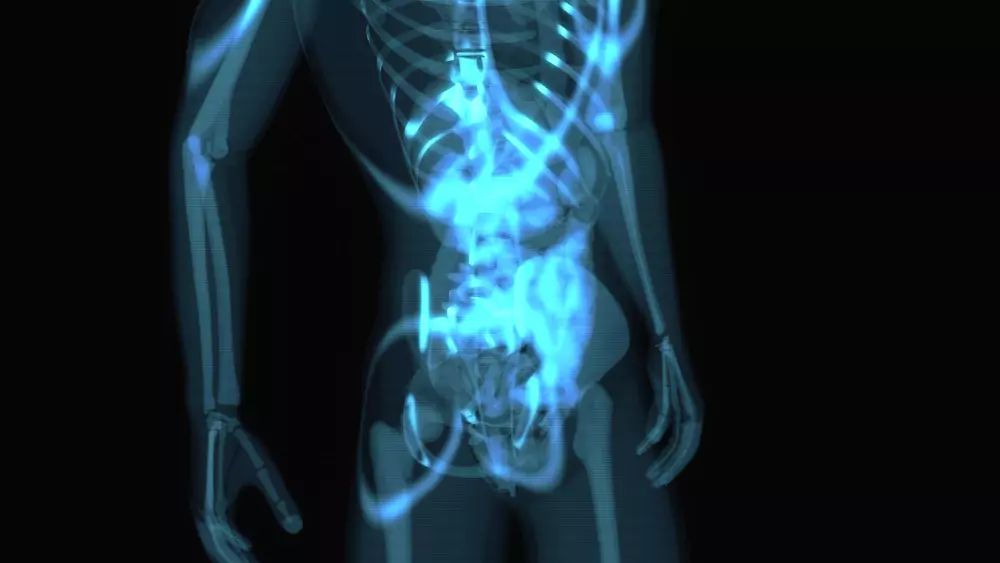
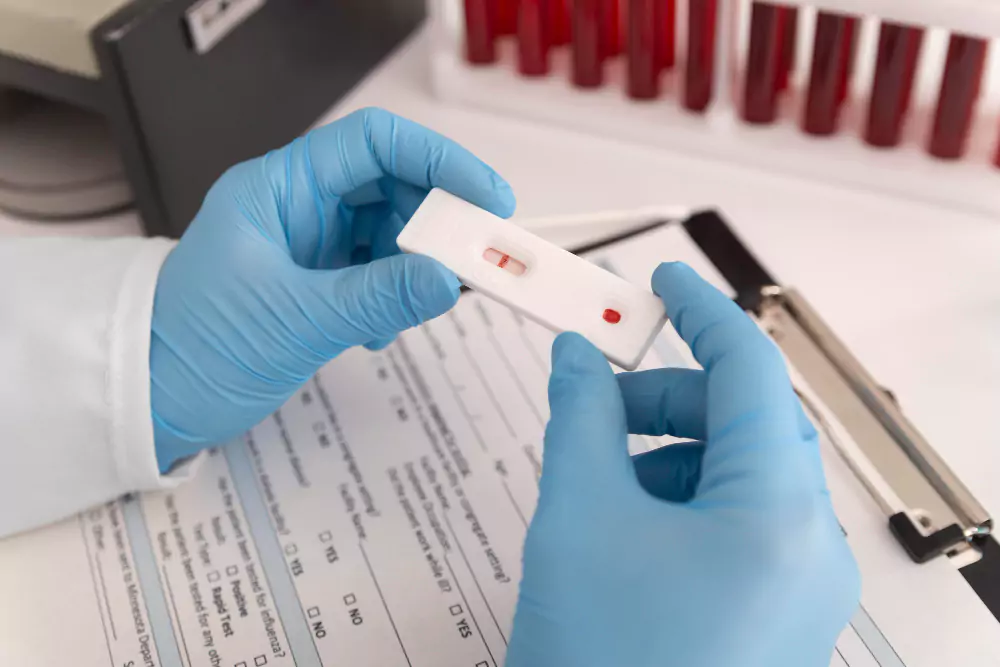
Screening tests are conducted to reveal an individual’s overall health. Blood and urine samples are collected in the initial stage. Imaging methods are then used to evaluate organs such as the heart, lungs, liver, and kidneys. EKG, chest X-ray, ultrasound, and if necessary, CT scans are applied during this process.
Urological examinations, prostate checks, and hormone tests are also key components of the men’s check-up program. We perform these tests safely with modern equipment and submit results for evaluation by specialist doctors.
Why Should I Get a Check-Up?
Early diagnosis is one of the most life-saving steps. Regular check-ups can detect hidden diseases even in healthy individuals. Lifestyle recommendations can help prevent future health risks.
For a higher quality and longer life, regular check-ups are crucial. Contact us for pricing; we can plan the most suitable program for you. Do not delay this step to protect your health, and ensure your future by getting regular check-ups.