What is a Herniography Film?
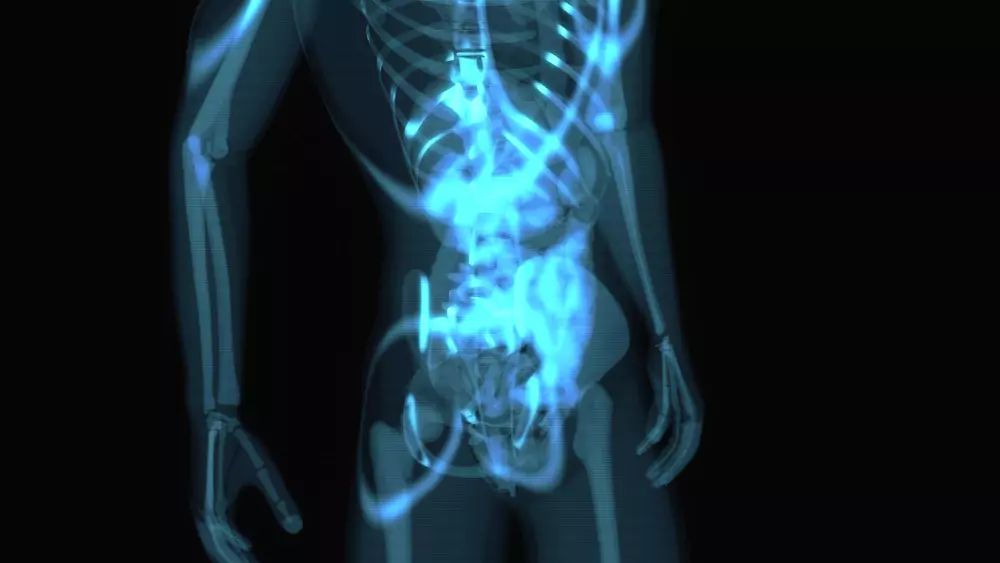
A herniography film is a specialized imaging method used to diagnose hernias in the abdominal or groin area. This method plays a particularly important role in detecting small hernias or those that are difficult to identify through physical examination. During herniography, a special contrast agent is used, allowing visualization of whether the organs inside the abdomen protrude through weak points. Herniography films are highly valuable for definitive diagnosis, surgical planning, and clarifying suspicious cases. We perform this examination to ensure accurate and reliable diagnoses for our patients.
How is a Hernia Film Taken?
Before the procedure, a special contrast agent is administered to the patient to highlight the internal structures of the abdominal cavity. Images are then obtained using X-ray or CT devices. During the procedure, the patient may be asked to perform certain movements, making it easier to observe the hernia’s tendency to protrude.
Typically, the patient lies on their back during the hernia film procedure, and images are captured as the contrast agent spreads throughout the abdominal cavity. The process is completed quickly, allowing the patient to return to their daily routine. We ensure both safety and the clearest possible images during this procedure.
What Should Be Considered Before a Herniography Film?
Patients may need to fast before the procedure, usually for 6 to 8 hours. Those allergic to the contrast agent must inform their doctor. Any medications, chronic illnesses, or previous surgeries are also evaluated.
Since the contrast agent is excreted through the kidneys, patients with impaired kidney function need prior assessment. We thoroughly inform our patients before each procedure and ensure all necessary preparations are made, minimizing potential risks during the procedure.
Who Can Undergo a Hernia Film?
Individuals with inguinal hernia, umbilical hernia, or incisional hernia can undergo this examination. It is especially recommended for patients whose hernia is not clear during a physical exam or whose symptoms suggest a hernia but remain undiagnosed. It can also be used before surgery to determine the hernia’s exact location and size.
The procedure is safe for children, adults, and the elderly. However, caution is advised for those allergic to contrast agents, pregnant women, or patients with kidney failure. We assess these factors to determine who can safely undergo this examination.
Which Diseases Does a Herniography Film Diagnose?
This film primarily detects intra-abdominal hernias and groin hernias. It clearly shows the hernia’s location, size, and which organs have entered the hernia sac. It is also highly useful for patients with previous surgeries or suspected recurrent hernias.
Additionally, some intra-abdominal masses that could be mistaken for hernias can be distinguished using this method, preventing unnecessary surgeries. We perform herniography films to contribute to accurate diagnosis and proper treatment planning for our patients.
How Long Does a Hernia Film Take?
The procedure duration is generally short but may vary depending on the patient’s condition. On average, it takes 20 to 40 minutes. First, the contrast agent is administered and allowed to spread in the abdominal cavity. Then, images are captured to determine if a hernia is present and, if so, its size and location.
The patient may need to move or hold specific positions, slightly extending the procedure time. After the examination, the patient can resume daily activities. We aim to speed up the process while obtaining the clearest possible images.
What is Herniography Medically?
In medical literature, herniography is a special radiological method used to diagnose hernias in the abdominal cavity. By administering a contrast agent into the abdomen, this examination visualizes the organs protruding through weak points. It is particularly effective in detecting small hernias that cannot be identified through clinical examination.
This method facilitates diagnosis and allows for more accurate surgical planning. Medically, it is a reliable procedure and helps detect hernias early when performed correctly. We apply herniography to ensure patients receive a clear diagnosis.
How is Diagnosis Made for Lumbar and Cervical Hernias?
Hernias in the lumbar and cervical regions are generally diagnosed using magnetic resonance imaging (MRI). MRI allows detailed examination of the spine, discs, and nerves. Disc tears or slips can be clearly observed.
Additionally, CT scans and X-rays may provide extra information, but the definitive diagnosis is usually made with MRI. Clinical examination is also an essential part of the diagnostic process. The doctor listens to the patient’s complaints, performs a physical exam, and directs them to the necessary imaging tests. We ensure accurate diagnosis by applying these imaging methods.
Herniography Film Prices 2026
Prices vary depending on the center, the technology of the equipment used, and the scope of the procedure. In private hospitals or imaging centers, if the device is digital, the film is dynamic, or the protocol is more detailed, the cost may range from approximately 3,500 to 7,000 TL or higher.
Patients should obtain the most accurate pricing information from the center where the procedure will be performed. We always provide transparent information and offer solutions suitable for our patients’ budgets. While prices vary, the key is obtaining an accurate diagnosis, as early and precise detection directly impacts the treatment process.
Which Film is Taken for Hernia?
The type of film taken for a suspected hernia depends on its location and size. Herniography films are preferred for hernias in the groin or abdominal area. This method uses a contrast agent and can detect even small hernias. Additionally, ultrasound is frequently used, especially for detecting inguinal hernias.
In more complex cases, CT or MRI may be required to examine the abdominal organs in detail, revealing both the hernia’s location and its relation to surrounding tissues. We perform these examinations to ensure the hernia is accurately diagnosed.
Can a Hernia Be Seen on Film?
Whether a hernia appears on a film depends on the method used. Simple X-rays often do not clearly show hernias. However, special techniques such as herniography, ultrasound, CT, or MRI make hernias easier to detect.
Small hernias in the groin area can be seen clearly with ultrasound. Intra-abdominal hernias become more visible with contrast methods. Therefore, the most suitable imaging method is selected for each patient. We ensure the hernia is definitively revealed through the appropriate procedure.
How is a Groin Film Taken?
If a hernia is suspected in the groin, ultrasound is the most frequently used method. The patient lies on their back, and the probe examines the groin area in detail. Sometimes, the patient may be asked to cough or strain; during these movements, the hernia protrudes, making it easier to visualize.
If ultrasound is insufficient, advanced tests such as herniography or MRI are performed. Herniography films the groin area using contrast, while MRI provides detailed information about the hernia’s relationship with nerves or blood vessels. We ensure these films are taken correctly for accurate diagnosis.
X-ray or MRI for Hernia?
X-rays are often insufficient for diagnosing hernias because soft tissue details cannot be clearly visualized. MRI, however, shows muscles, nerves, ligaments, and organs in detail. Therefore, MRI is preferred for spine-related hernias such as lumbar and cervical hernias.
For groin or abdominal hernias, ultrasound is the first choice, with herniography or CT used if necessary. The choice of method depends on the hernia type. We select the correct imaging method, preventing unnecessary procedures and obtaining reliable results.
Can a Hernia Occur Without Swelling?
Many people associate hernias with visible swelling, but this is not always the case. Small or early-stage hernias may not be noticeable externally. Hernias in the groin or abdominal wall may only cause pain or pressure during coughing, sneezing, or lifting heavy objects.
Disc hernias in the spine and lumbar region may also occur without visible swelling, presenting only with pain, numbness, or limited movement. Therefore, diagnosis must be confirmed through imaging, not just physical examination. We listen to our patients’ complaints and use the appropriate tests for definitive diagnosis.
Can a Hernia Pressing on a Nerve Heal Without Surgery?
Some hernias in the lumbar or cervical regions may compress nerve roots, causing pain, numbness, or weakness in the legs or arms. Not every nerve compression requires surgery. Early rest, physical therapy, medications, and exercise can control the hernia significantly.
However, if nerve compression is severe, causes loss of bladder or bowel control, or worsening leg weakness, surgery becomes necessary. Treatment plans vary for each case. We closely monitor these conditions and manage patients with non-surgical methods whenever possible.
Where Does L4-L5 Hernia Pain Radiate?
The L4 and L5 discs in the lumbar spine are common sites for hernias. When a hernia at this level compresses nerve roots, pain may radiate from the lower back to the buttocks, thighs, knees, and sometimes to the toes.
Patients typically complain of severe “sciatic pain” radiating from the back to the legs. Numbness, tingling, and muscle weakness may accompany this condition. Symptoms vary with the hernia’s severity. We perform accurate tests to determine the hernia level and nerve compression severity, planning treatment accordingly.
How to Determine if There is a Groin Hernia?
The most common symptom of a groin hernia is swelling in the groin area, though it may not always be obvious. Pain, burning, or a feeling of fullness during lifting, coughing, or straining are indications. Some patients experience only discomfort or pulling in the groin.
During a physical exam, the doctor can detect the hernia by checking
the groin. In suspicious cases, ultrasound or herniography can confirm the diagnosis. We provide both examination and imaging options to clearly determine the presence of a hernia.
Can Groin Hernia Be Treated Without Surgery?
A groin hernia occurs when abdominal organs protrude through a weak spot in the abdominal wall. Permanent treatment typically requires surgery. Non-surgical methods can sometimes reduce symptoms but cannot completely eliminate the hernia.
Avoiding heavy lifting, losing weight, controlling coughs, and using supportive belts can improve quality of life but do not cure the hernia. Therefore, surgery is recommended for permanent resolution. We guide patients on appropriate timing and planning for surgery.
Can Groin Hernia Be Seen on Ultrasound?
Ultrasound is commonly used to diagnose groin hernias. High-frequency sound waves provide detailed images of the groin area. Even small, invisible hernias can be detected.
Patients may be asked to cough or strain, which makes the hernia protrude and easier to visualize. The size, location, and contents of the hernia can then be determined. We use this method to detect groin hernias early.
What Does “Herni” Mean?
In medical terms, “herni” refers to a hernia. It describes the protrusion of an organ or tissue through a weak point where it is normally contained. Hernias most commonly occur in the abdominal wall, groin, umbilical area, and spinal discs.
Hernias can affect quality of life and lead to serious complications if untreated. “Herni” is synonymous with hernia and frequently appears in medical reports. We explain this term clearly to our patients to ensure proper understanding of the condition.
How is a Hernia Exam Performed?
Physical examination is the first step in hernia diagnosis. The doctor checks the groin or abdominal area manually. The patient may be asked to cough or strain, as these movements make the hernia more prominent.
If swelling, fullness, or protrusion is felt, hernia diagnosis becomes more likely. In uncertain cases, imaging methods like ultrasound or herniography are used to confirm. We perform these exams for early diagnosis and to plan appropriate treatment.
How is a Hernia Diagnosed?
Diagnosis starts with listening to the patient’s complaints, followed by a physical exam. Pain, swelling, burning, or pulling in the groin often indicate a hernia. If the physical exam is inconclusive, advanced tests such as ultrasound, CT, or MRI are applied.
Once a hernia is diagnosed, its location, size, and effect on surrounding tissues are determined. This information is crucial for planning treatment. We use these tests to accurately detect hernias and guide the treatment process.
What Happens if a Groin Hernia Extends to the Scrotum?
If a groin hernia progresses, abdominal organs may descend into the scrotum, causing swelling, heaviness, and pain. Swelling becomes more apparent during coughing, sneezing, or lifting. If untreated, the hernia can persist in the scrotum, causing circulation issues.
In some cases, bowel descent can lead to serious strangulation. This endangers both testicular and overall health and requires urgent intervention. We quickly assess such cases and plan necessary surgical procedures.
What Happens if a Groin Hernia Becomes Strangulated? Symptoms?
A “strangulated” hernia occurs when the hernia contents become trapped or ischemic. This leads to severe pain, discoloration, hardness, nausea, and vomiting. Inability to pass gas or stool may also occur.
This is a surgical emergency requiring immediate intervention. Delay can result in bowel necrosis and life-threatening complications. We rapidly diagnose and direct patients to surgery in such cases.
Does a Groin Hernia Affect Sexual Life?
Groin hernias can negatively impact quality of life due to pain and swelling. Sexual activity may increase discomfort, particularly depending on the hernia’s size. Hernias extending to the scrotum can increase swelling and pressure.
Surgery usually relieves these issues, restoring normal sexual function. We inform patients and contribute to improved quality of life through proper treatment.
Which Hernias Should Be Surgically Treated?
Most hernias require surgery. Hernias that are progressive, at risk of strangulation, or cause severe symptoms should be treated surgically. Inguinal, umbilical, and incisional hernias are generally corrected through surgery.
Mild, non-progressive hernias may be monitored. However, in children, young adults, and active individuals, the risk of growth is high, so surgery is usually recommended. We determine the most appropriate treatment for each patient and plan surgery when necessary.
Where is the Hernia Injection Administered?
“Hernia injection” usually refers to injections for lumbar and cervical hernias. These injections are applied around the compressed nerve roots and contain steroids and painkillers to reduce pain, control swelling, and relieve the patient.
Inguinal or abdominal hernias are not treated with injections; surgery is required for permanent treatment. Hernia injections provide temporary relief for spinal disc hernias. We perform these injections safely, allowing patients to continue daily life with less pain.