What is Digital Mammography?
Digital mammography is one of the most modern imaging methods used for breast health today, allowing detailed examination of breast tissue. In this method, breast tissue is scanned using a low dose of X-rays, and the images are transferred to a computer. It provides much clearer and more detailed results compared to traditional methods. It plays an important role in detecting diseases such as early-stage breast cancer. We provide services with modern equipment in this field, ensure safe results, and work to offer our patients the most accurate diagnosis.
How is Digital Mammography Performed?
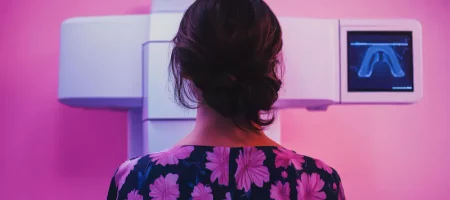
During the procedure, the patient stands in front of the device, and the breast tissue is gently compressed between two plates. This ensures the clearest possible imaging of the breast tissue. Images are taken from several different angles and transferred to a computer. Thanks to digital technology, doctors can zoom in on images, examine them with different contrasts, and make a more precise evaluation. The procedure is usually short and painless, with only a brief pressure sensation due to the compression. We perform this process with care to make it as comfortable as possible for our patients.
What Are the Features of Digital Mammography?
One of the most important features of this method is the use of a low dose of radiation. This allows high-quality images to be obtained safely. Additionally, images stored digitally can be reviewed again or easily shared with other specialists when needed. Compared to conventional mammography, results are obtained faster, and more sensitive areas can be clearly visualized. It is a great advantage that even women with dense breast tissue can be examined in detail. Contact us for pricing, as we provide our patients with both modern technology and a safe process.
What Diseases Can Digital Mammography Detect?
This method can detect many diseases, especially breast cancer, at an early stage. Breast cysts, fibroadenomas, calcifications, and irregularities in tissue can be seen with digital mammography. Early diagnosis allows for much more successful treatment. Therefore, digital mammography is very important in regular check-ups. We perform these check-ups safely for our patients, provide the clearest results, and inform them at every stage of the process.
Which Patients Should Undergo Digital Mammography?
It is generally recommended that women over 40 have regular mammograms. For women with a family history of breast cancer, this age limit may be lowered. Digital mammography is also applied to women with complaints such as a palpable lump, pain, discharge, or asymmetry in the breast. In some cases, doctors may request digital mammography for women around the age of 35 for preventive purposes. We provide personalized evaluations for each patient, determine the most appropriate imaging method, and deliver safe services.
What Are the Advantages of Digital Mammography?
Developed with modern technology, digital mammography is one of the most reliable methods for early detection in breast health. It provides much clearer and more detailed images compared to conventional mammography. Since images can be processed digitally, specialists can evaluate even the smallest and easily overlooked findings. Radiation dose is lower than conventional methods, offering a safer examination for patients. Clear results are obtained even in women with dense breast tissue. Additionally, the ability to store images digitally, share them with other doctors when needed, and review them again provides benefits in both speed and accuracy. We offer services with modern equipment, ensure safe results, and contribute to our patients’ early diagnosis process.
How Should One Prepare Before a Digital Mammography?
No special or difficult preparation is required before the procedure, but it is recommended to pay attention to a few small points. On the day of the procedure, deodorant, powder, cream, or perfume should not be applied to the breast or underarm area, as these products can cause artifacts on the images. Wearing two-piece clothing is recommended for comfort during the scan. Bringing previous mammography or ultrasound results is important for comparative evaluation. We provide our patients with detailed information before the procedure, explain step by step what to pay attention to during preparation, and ensure the process is as comfortable as possible.
When Will the Digital Mammography Results Be Ready?
After the scan, the obtained images are carefully examined by specialist doctors digitally. Results are generally available the same day or within a few days. The duration may vary depending on the workload and detail of the examination. If a suspicious finding is detected, the specialist may request additional tests. Rapid results are very important for early diagnosis. We complete this process quickly, minimize patients’ waiting time, and provide the most accurate information reliably.
How Long Does a Digital Mammography Take?
The procedure is quite short, usually completed within 10-15 minutes. Breast tissue is placed between two plates, and images are taken from different angles. Patients may feel slight pressure for a few seconds. The short and painless nature of the procedure allows a quick return to daily life. Digital technology immediately transfers images to a computer screen, speeding up the process and providing a more reliable examination. We perform this process as comfortably as possible for our patients, providing fast and accurate results with modern devices.
Digital Mammography Prices 2026
The prices of digital mammography used in breast health check-ups in 2026 may vary depending on the hospital’s equipment, the technology used, and the city you are in. In private healthcare institutions, the price range may be wider, while in public hospitals, it may be free or offered at a lower cost under certain conditions. In special situations such as diagnostic mammography requiring additional imaging or dense breast tissue, prices can range from approximately 5,000 to 10,000 TRY or higher.
Which Diseases Are Diagnosed with Mammography?
Mammography, which allows visualization of breast tissue, is most commonly used for the early detection of breast cancer. Masses, calcifications, cystic structures, and structural changes in the breast can be detected with this method. In addition to breast cancer, it plays an important role in evaluating many benign and malignant formations such as fibroadenomas, cysts, and mastitis. Early diagnosis increases treatment success and makes the disease easier to control. We recommend this imaging method for regular check-ups, contribute to our patients’ health, and ensure reliable results.
Does Digital Mammography Have Side Effects?
It is generally a very safe examination. A low dose of radiation is used during the procedure, which is not harmful to human health. It offers a comfortable scanning experience, and no serious side effects are expected. A short-term discomfort or mild pain may occur due to pressure applied on the breast during the scan. Some sensitive individuals may experience mild redness for a few hours. No permanent side effects have been reported. We inform our patients during the procedure, explain every detail in advance to ensure a safe and comfortable experience, and make the process as pleasant as possible.
What is the Difference Between Digital and Conventional Mammography?
In conventional mammography, images are recorded on film, whereas in digital mammography, all records are transferred to a computer. This difference allows images to be clearer, more detailed, and higher in resolution. Images taken digitally can be enlarged or have their contrast enhanced, allowing even very small findings to be evaluated. Digital mammography also has a lower radiation dose, increasing patient safety. Storing images digitally, archiving them, and sharing with other doctors are additional advantages. We explain the differences between the two methods to our patients, provide accurate and fast results with the advantages of digital technology, and deliver services with modern equipment.
Is Digital Mammography Painful?
During the procedure, the breast is compressed between plates for clear imaging. This compression may cause a mild pressure or discomfort in some women, but it usually lasts only a few seconds and disappears once the procedure is complete. The level of discomfort may vary depending on individual sensitivity and breast tissue. Generally, it does not cause severe pain and is tolerable. We perform this procedure as comfortably as possible for our patients, facilitating the process and ensuring safe results.
Is Digital Mammography a Reliable Method?
Digital mammography is considered very reliable as it provides high-resolution images and is one of the most preferred imaging methods in breast health. It offers a great advantage in early diagnosis, increasing accuracy in detecting breast cancer and other diseases. The low radiation dose does not pose additional health risks. Specialists can examine images in detail digitally, evaluating even the smallest findings. We provide services with modern equipment, ensure accurate results, and prioritize patient safety.
Which Patient Groups Can Undergo Digital Mammography?
It is generally applied for routine screening in women over 40. Additionally, those with a family history of breast cancer, dense breast tissue, or suspicious findings in the breast may have it at an earlier age. It is also preferred for follow-up in patients who have completed treatment. Rarely, it can be applied in men with suspicious breast lumps. We plan this procedure for all patient groups, provide accurate diagnosis, and deliver services according to individual needs.
How Often Should Digital Mammography Be Done?
For healthy women, mammography is usually recommended every 1-2 years after the age of 40. Women with a family history of early breast cancer may start screening earlier and increase the frequency. Physicians create personalized follow-up programs based on individual risk factors. Regular check-ups help detect diseases early and increase treatment success. We advise our patients to have regular check-ups, provide reliable results with modern equipment, and guide them for a healthy life.
Can Digital Mammography Detect All Breast Cancers?
Thanks to technological advancements, digital mammography is one of the most reliable methods for early detection of breast cancer. High-resolution imaging makes it easier to detect small masses and calcifications. However, as with any method, there are some limitations. In women with dense breast tissue, very small lesions may sometimes be hidden. In such cases, additional imaging such as ultrasound or MRI may be used. Early screening is highly successful. We apply digital mammography with modern devices, support it with additional tests if needed, and ensure reliable results.
Does Digital Mammography Hurt?
Breast tissue is compressed between plates during the scan to obtain clear images. This may cause pressure, and in some women, mild pain. However, the discomfort varies by individual and is usually short-term. Most patients describe it as a tolerable pressure. We prioritize patient comfort, make the procedure as painless as possible, and provide support throughout the process.
Which Hospitals Offer Tomosynthesis Mammography?
Tomosynthesis mammography, which provides 3D imaging, is a more advanced version of digital mammography. This technology is not available in every hospital, mostly offered in well-equipped private centers and some university hospitals. It is especially important for women with dense breast tissue as it reveals details that might be missed in standard mammography. Centers using this technology have higher accuracy in early breast cancer detection. We provide this advanced technology to our patients, using modern equipment to achieve the most accurate results.
How Does Cancer Appear on a Mammogram?
Cancerous tissues on a mammogram usually appear denser and irregular compared to normal breast tissue. Hard masses, irregularly shaped lesions, or clusters of micro-calcifications are notable findings. Calcifications caused by cancerous cells appear as small white spots on mammography. These findings can be harder to distinguish in dense breast tissue, which makes digital mammography advantageous. We evaluate images with high-resolution systems, analyze suspicious areas in detail, and use additional tests if needed to reach a definitive diagnosis.
How is Tomosynthesis Mammography Performed?
Tomosynthesis mammography, which provides three-dimensional imaging of the breast, is an advanced version of digital mammography. The breast is placed between plates as in conventional mammography. The device then captures numerous thin-section images from different angles. These images are combined digitally to form a 3D view. This allows small masses and structures hidden within dense tissue to be clearly visible. Although the procedure takes a few minutes longer than conventional mammography, it offers significant advantages for early detection. We perform this procedure safely with modern equipment, providing accurate and clear results for our patients.
Which is Better: Mammography or Ultrasound?
Both methods have different advantages and are often used complementarily. Mammography is more successful in detecting calcifications and structural changes and is considered the gold standard for breast cancer screening. Ultrasound is more useful in distinguishing masses in women with dense breast tissue and in differentiating fluid-filled cysts from solid masses. When a single method is insufficient, using both mammography and ultrasound together provides more accurate results. We determine the most suitable method for each patient, increase diagnostic reliability, and provide consistent monitoring for healthy outcomes.
Can Mammography Be Done Before Menstruation?
Breast tissue may be more sensitive due to hormonal changes before menstruation. Pressure applied during the scan may cause slightly more discomfort than usual. Medically, mammography can still be performed. For a more comfortable procedure, the first week after menstruation is preferred. Breast tissue is softer and easier to image during this period, and patients experience less discomfort. We inform our patients about the best timing and ensure a comfortable procedure.
What Should Be Done Before a Mammogram?
Do not apply deodorant, cream, perfume, or powder to the breast or underarm area before the procedure, as these may cause artifacts on the images. Wear two-piece clothing for comfort. Bring previous mammography and ultrasound reports for comparative evaluation. Stay calm, remain still, and follow the technician’s instructions during the scan to improve image quality. We explain all these details to our patients beforehand, guide them step by step, and ensure the procedure is completed safely.
Does It Hurt After a Mammogram?
A brief pressure may be felt during the scan due to compression between the plates. This is necessary for clear and detailed images. Pain usually subsides after the procedure. Some women may experience mild tenderness or tightness for a few hours, especially close to menstruation. This is temporary and not serious. We make the process as comfortable as possible, providing a relaxed experience and clear guidance at every step.
Who Should Not Have a Mammogram?
Mammography is mainly used for women aged 40 and above for screening purposes. Younger women, due to dense breast tissue, are usually examined with ultrasound. It is not recommended for pregnant or breastfeeding women because radiation should be avoided. Severe breast pain or open wounds on the skin may also require postponing the procedure. Outside these groups, mammography is safe and can be applied with proper planning. We consider patients’ special conditions, perform necessary evaluations, and select the most appropriate method.
What Are the Early Stage Symptoms of Breast Cancer?
Early-stage breast cancer often does not cause noticeable symptoms, which is why regular mammograms are essential. Small changes may be observed, such as a small, firm lump in the breast, changes in breast shape, nipple retraction or discharge, and dimpling or discoloration of the skin. If these signs are noticed, immediate consultation with a doctor is necessary. We provide early diagnosis with mammography and other tests, guide patients correctly, and ensure reliable results.
How is Mammography Performed on Small Breasts?
Small breast size is not an obstacle to mammography. The breast tissue can be placed appropriately between plates to obtain images. Technicians apply special positioning techniques to ensure clear imaging. In small breasts, imaging may be easier since there is less dense tissue, producing clearer results. Pressure is still felt briefly but is generally tolerable. We use appropriate scanning techniques for each patient, provide reliable results for different breast types, and perform the procedure as comfortably as possible.