What is Digital Angiography (DSA)?
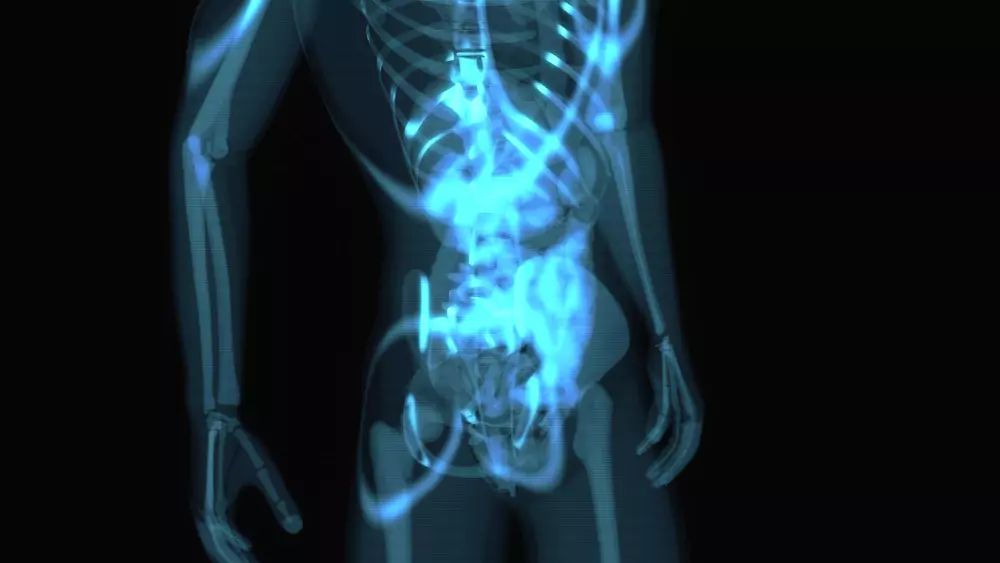
Digital Angiography, known in medicine as DSA (Digital Subtraction Angiography), is an advanced imaging method. This examination allows for the clearest view of the internal structure of blood vessels. Unlike conventional angiography, it is recorded digitally, and vessels can be examined in more detail with computer support. This enables early detection of narrowing, blockages, or aneurysms in the vessels.
During the procedure, special contrast agents are injected into the vessels, and X-ray technology is used to observe their movement. The obtained images are transferred to a computer, and all tissues outside the vessels are filtered out so that only the vessel structure is clearly visible. This method can be used in many areas, including brain, heart, kidney, leg, and lung vessels.
Digital angiography is crucial for diagnosing diseases and also plays a key role in treatment planning. We perform this procedure with modern devices, provide the most reliable results for our patients, and help them take the right steps in the diagnostic process.
How is Digital Angiography (DSA) Performed?
The procedure is usually performed through the patient’s groin area. A thin catheter is inserted into an artery under local anesthesia. Contrast material is administered through the tip of the catheter while digital imaging devices record the structure of the vessels in detail. The duration of the imaging may vary between 30 to 60 minutes depending on the area being examined.
The patient remains awake during the procedure but does not feel pain. Only a slight pressure or burning sensation may be felt in the area where the catheter is inserted. After the procedure, the catheter is removed, and pressure is applied to prevent bleeding. The patient is then observed for a few hours.
This method allows us not only to diagnose but also to perform treatment procedures if necessary, such as placing stents or opening blockages. We manage this process safely, ensure patient comfort, and establish the most accurate treatment plan.
Is Pre-Preparation Required for Digital Angiography?
Certain preparations are necessary before digital angiography. Patients are generally asked to fast for a few hours prior to the procedure, typically 6–8 hours. This reduces the risk of nausea or vomiting when the contrast agent is administered. Blood tests are also conducted to assess kidney function, as the contrast agent is excreted through the kidneys.
Patients who regularly use medications, especially blood thinners, must inform their doctor. In diabetic patients, medication use is planned before the procedure. Women who may be pregnant should inform their doctor.
We provide patients with detailed guidance on how to prepare, step by step, ensuring that the process is safe and that risks are minimized before and after the procedure.
Who Can Undergo Digital Angiography (DSA)?
Digital angiography can be applied to many individuals suspected of vascular diseases. It is particularly important for patients suspected of brain aneurysms, at risk of stroke, or with suspected narrowing in heart vessels. It is also preferred for suspected blockages in leg vessels, narrowing in kidney vessels, or clots in lung vessels.
Before performing the procedure, the patient’s health is thoroughly evaluated. Caution is required for individuals with severe kidney failure, allergy to contrast agents, or pregnancy. In some cases, alternative methods may be considered. Contact us for pricing, as we perform this procedure with an experienced team, providing the most suitable treatment approach for each patient.
Applications of Digital Angiography
One of the major advantages of digital angiography is that it can be used not only for diagnosis but also for treatment. It is used to open blocked vessels, place stents in narrowed vessels, remove clots, and identify vessels feeding certain tumors.
It is preferred to prevent sudden stroke risk in brain vessel diseases, open narrowed heart vessels, and improve circulation in the legs. Additionally, in some tumor treatments, it helps identify vessels feeding the tumor for surgical or interventional planning.
We not only diagnose with this method but also actively participate in the treatment process when necessary, providing safe and modern solutions for our patients.
Can Digital Angiography Be Done for Every Patient?
Digital angiography is an advanced imaging method used to examine the structure of vessels in detail. However, like any procedure, it cannot be applied to every patient. The patient’s overall health, existing conditions, and medications are evaluated. Patients with severe kidney failure, known allergy to contrast agents, or pregnancy are carefully planned or directed to alternative methods.
Risks are also considered for elderly patients, diabetics, or those with cardiovascular diseases. Nevertheless, with appropriate preparation, it can be safely performed even in these patients. We perform this procedure, evaluate every patient thoroughly, ensure safety, and provide alternatives when necessary.
What Findings Are Obtained Through Digital Angiography?
This method provides the most detailed visualization of the internal structure of vessels. Narrowing, blockages, aneurysms, irregularities in vessel walls, and clots can be easily detected. Problems in heart, brain, kidney, and leg vessels are clearly revealed with this method.
The findings not only indicate the presence of disease but also show its severity and how it may respond to treatment. We carefully evaluate the results, explain their meaning to patients, and help plan the most appropriate treatment.
Differences Between Digital Angiography and Conventional Angiography
In conventional angiography, all tissues are imaged simultaneously. In digital angiography, computer-supported systems remove tissues outside the vessels, showing only the vessel structure clearly. This allows the use of less contrast agent, faster and clearer imaging, and easier evaluation for the doctor.
While conventional angiography provides limited images, digital angiography can record even the smallest vessel details, offering a significant advantage for early diagnosis. We perform this procedure with modern devices, providing patients with advanced imaging options and noticeable difference.
How Long Does Digital Angiography Take?
The duration of the procedure varies depending on the area, vessel condition, and method applied. Generally, it takes 30 minutes to 1 hour. Catheter placement, contrast administration, and image recording determine this time. Additional images may be needed in some cases, slightly extending the duration.
Although the procedure is short, the data obtained is highly detailed. Patients are observed for a period after the procedure. We ensure comfort and safe completion in the shortest possible time.
Precautions After Digital Angiography
After the procedure, patients should pay attention to several points. Resting to prevent bleeding at the catheter site is important. Avoid heavy lifting and sudden movements for 24 hours, and drink plenty of fluids. Hydration helps flush out the contrast agent faster.
Mild bruising or pain at the catheter site may occur and is normal. However, excessive swelling, bleeding, or severe pain requires immediate medical attention. We monitor the post-procedure process, explain precautions to patients, and provide follow-up support if needed.
Digital Angiography Prices 2026
As of 2026, digital angiography prices vary depending on several factors. The technological equipment of the center, device quality, region being examined, and scope of the procedure affect pricing. Limited diagnostic procedures may range from approximately 8,000 – 25,000 TL in private centers.
Price policies differ between private and public institutions. Contrast use, additional imaging, and report scope also affect costs. Contact us for pricing, as we offer transparent and suitable pricing for each patient and provide services with the most advanced devices.
Advantages of Digital Angiography: Is Angiography the Same as a Stent?
Patients often confuse angiography with stent placement. Although they are often performed together, they are completely different. Angiography examines the inside of vessels using special imaging techniques. Contrast material is injected to visualize vessel structure, aiming to detect narrowing, blockages, or structural abnormalities.
A stent, on the other hand, is a small metallic tube used for treatment. It is placed in the narrowed or blocked section to keep the vessel open. Angiography is a diagnostic method, while a stent is a treatment tool. Sometimes angiography alone is sufficient; in other cases, a stent is placed in the same session if an issue is detected. We perform both procedures, providing reliable solutions and improving patients’ quality of life.
What is CT Angiography and How is it Done?
CT angiography is a special imaging method performed using a computed tomography device. Unlike conventional angiography, no catheter is inserted. Instead, contrast is administered through a vein, and three-dimensional images of the vessels are obtained via the CT scanner.
CT angiography is frequently used to evaluate heart vessels, detect aneurysms or narrowing in brain vessels, and examine leg vessel issues. The procedure is quick, usually completed in 15–20 minutes. It is painless, and patients can return to daily activities immediately. We perform this with modern devices, providing comfort and safety.
Is Virtual Angiography Risky?
Virtual angiography visualizes vessels without an interventional procedure, so no catheter is inserted into the groin, reducing procedural risks. However, it is not completely risk-free. Contrast use may cause allergic reactions, and CT exposure involves low-dose radiation.
Despite this, virtual angiography is generally considered safe, especially for patients unsuitable for invasive angiography or requiring preliminary vessel assessment. We perform virtual angiography regularly, taking necessary precautions and ensuring a smooth process.
Does Virtual Angiography Provide Definitive Results?
Thanks to 3D imaging, virtual angiography provides detailed information about vessels, including narrowing, blockage location, and irregularities. However, minor narrowing in small branches may not always be clearly visible.
While quite reliable, it is sometimes less detailed than conventional angiography. Direct interventions can be performed in conventional angiography, whereas virtual angiography is mainly diagnostic. We carefully evaluate the results and provide support with conventional angiography if needed.
When is Angiography Needed?
Angiography is a key diagnostic method for vascular diseases. It may be required for chest pain, exertional shortness of breath, or suspected heart attack. Sudden vision loss, speech disorders, stroke symptoms, or severe headache may indicate brain angiography.
Pain while walking, coldness, color changes, or non-healing wounds in leg vessels may also require angiography. Narrowing in kidney vessels causing hypertension or suspected lung clots are additional indications. Contact us for pricing, as we provide the procedures, services, and tailored solutions for each patient.
The main advantage of digital angiography is clear imaging of vessels by separating them from surrounding tissues. Computer-assisted systems remove surrounding structures, showing only vessels. This facilitates the detection of very small vessel abnormalities.
Compared to conventional angiography, digital angiography uses less contrast, reduces radiation exposure, and provides faster results. Data is digitally stored for later review. We perform this method with modern devices, ensuring reliable results and a comfortable process.
How is Digital Angiography Performed?
Digital angiography is typically performed via the femoral artery in the groin. Local anesthesia numbs the entry area, and a thin catheter is inserted. Contrast is administered through the catheter, allowing high-resolution imaging. The computer removes surrounding tissues to provide clear images.
The patient remains awake and usually pain-free. A mild pressure or burning sensation may occur at the entry site. The procedure takes approximately 30–60 minutes. We perform this regularly, ensuring safety and comfort.
What is Digital Subtraction
Angiography?
Digital subtraction angiography is a special method in which bones, muscles, and other surrounding tissues are removed from the image, showing only vessels. This “subtraction” technique is highly effective for detecting very small vessel abnormalities.
In conventional angiography, all tissues are visible together, and small details may be missed. Digital subtraction angiography allows detailed examination of vessels with computer support, enabling faster diagnosis and more accurate treatment planning. We provide accurate diagnosis and reliable service with modern devices.
How Long Does a Coronary Angiogram Take?
Coronary angiography is usually completed quickly, averaging 30 minutes to 1 hour. However, the duration varies per patient. Diagnostic-only angiography is shorter, but if narrowing or blockage is detected, interventions like ballooning or stent placement may extend the procedure up to an hour.
Preparation is part of the duration, including opening a vein, sterilizing the entry site, and performing necessary checks. Post-procedure, pressure is applied to the catheter site, and the patient is observed. We manage all stages, ensuring patient safety and guidance.
Which Doctor Performs Brain Angiography?
This specialized procedure is performed by interventional neuroradiologists trained in examining brain vessels, blockages, and aneurysms. Neurosurgeons and interventional radiologists may also perform it.
Due to the delicate nature of brain vessels, it must be performed by experienced specialists. Diagnostic brain angiography evaluates vessel structure, and treatment may be applied simultaneously if needed. We perform these procedures with expert staff, providing reliable results and the best treatment plan.
Who is CT Angiography Performed On?
This method is applied to patients with various health concerns. It is used for suspected heart vessel narrowing, chest pain, shortness of breath, or family history of cardiovascular disease.
It is also used for brain vessel aneurysms, leg circulation problems, kidney vessel narrowing, or suspected lung clots. Contact us for pricing, as we provide these procedures with modern devices and safe solutions.
Precautions After CT Angiography
Post-procedure, drinking plenty of fluids is crucial to help eliminate the contrast agent via the kidneys. If performed through the groin, rest is necessary to prevent bleeding. For wrist or arm entry, care must be taken at the entry site.
Avoid heavy lifting, sudden movements, and ensure rest for the first 24 hours. Mild bruising or discomfort may occur, which is normal. Excessive swelling, bleeding, or severe pain requires immediate medical attention. We inform patients about post-procedure care and ensure safe recovery.
Does CT Angiography Hurt?
This method is generally painless. The patient is asked to remain still, and only a brief sensation of warmth or spreading may occur when the contrast is administered. Needle insertion may cause slight stinging but lasts only a few seconds.
Compared to conventional angiography, this method is more comfortable and non-invasive. Patients can return to daily activities quickly. We make the process as comfortable as possible and provide safe results with detailed guidance.
Can a Heart Attack Occur After Angiography?
Angiography visualizes narrowing and blockages in heart vessels. Although very rare, risks may occur, including vessel spasm, arrhythmia, or clot formation, increasing heart attack risk in patients with severe heart disease.
However, these risks are extremely low and are controlled by experienced teams. Procedures performed with modern devices have very low complication rates. We perform these procedures safely, inform patients beforehand, and provide regular follow-up.
Virtual Angiography or Conventional Angiography?
Both methods have different advantages and applications. Virtual angiography uses CT for 3D vessel imaging. It is faster, non-surgical, and painless, suitable for risk assessment and rapid diagnosis.
Conventional angiography involves catheter insertion into the vessel, allowing both diagnosis and treatment. Narrowed or blocked vessels can be treated with stents or balloons. Conventional angiography provides more detailed and treatment-oriented results. Contact us for pricing, as we perform both procedures with modern devices and determine the best option for each patient.
Side Effects of Virtual Angiography
This method is generally safe, but contrast use may cause side effects in some patients, such as warmth, nausea, or brief dizziness. Rarely, allergic reactions may occur.
Patients with impaired kidney function may experience additional kidney load from contrast. Therefore, pre-procedure kidney tests are important. Mild pain or bruising may occur at the injection site. We inform patients about potential risks, necessary precautions, and ensure safe follow-up.