What is Computed Tomography (CT)?
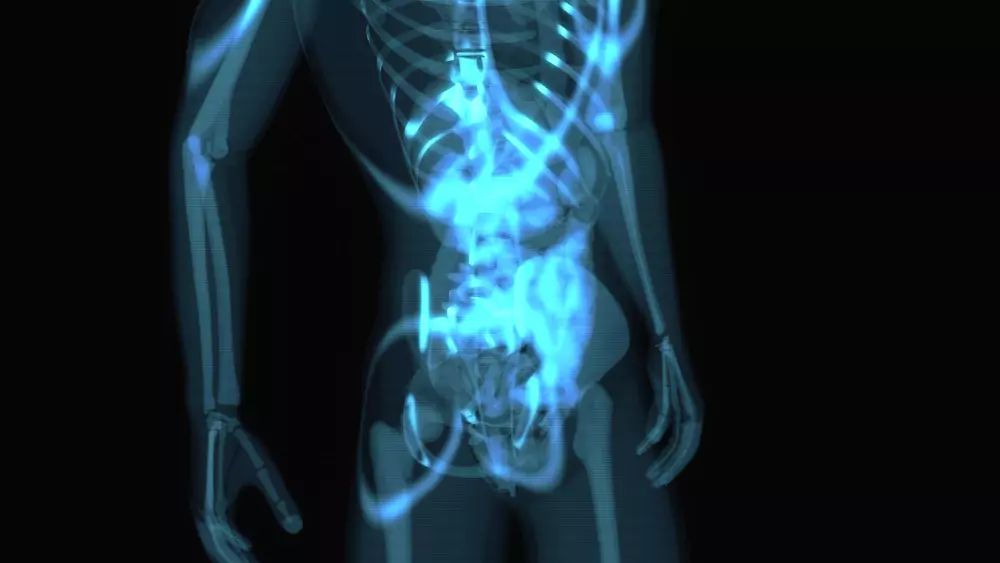
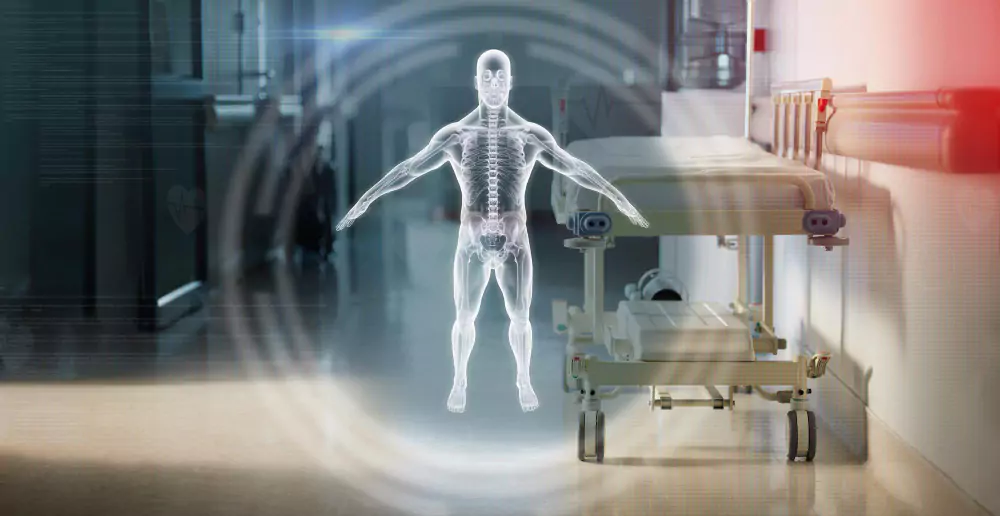
Computed tomography, one of the most commonly used imaging methods in medical diagnostics, provides the ability to view tissues and organs in the body in three dimensions. Compared to X-rays, it offers much more detailed results. The images obtained by combining X-rays and computer technology allow the organs to be examined in cross-sections. In this way, even the smallest changes in internal organs can be detected. It is preferred in many cases such as cancer research, detection of internal bleeding after trauma, vascular diseases, or infections.
How is Computed Tomography (CT) Performed?
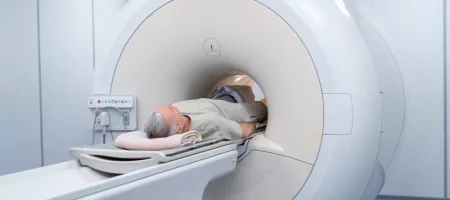
During the scan, the patient lies on a special table and is passed through the circular part of the device. The device sends X-rays from different angles to scan the organs, and the computer converts this data into three-dimensional images. The patient must remain still during the procedure; otherwise, the images will not be clear. The scan usually takes between 5 and 15 minutes. In some special examinations, the duration may be slightly longer. The procedure is completely painless, and the patient can return to daily life immediately afterward.
Why is Computed Tomography (CT) Ordered?
Doctors may order a CT scan for different reasons. This method is used when there is a suspicion of internal bleeding or organ damage after trauma. It plays an important role in detecting tumors, cysts, and nodules. Infections, vascular obstructions, lung diseases, and bone fractures can also be visualized in detail with CT. In addition, it is preferred to evaluate the structural condition of organs before surgical operations. In short, CT is an important method both for making a quick diagnosis in emergencies and for long-term disease monitoring.
Why is Contrast Used in Some CT Scans?
In some cases, contrast agents are used to obtain clearer images of organs and blood vessels. This substance can be given intravenously or orally. With contrast-enhanced scans, tumors, inflammations, vascular obstructions, and hemorrhages can be detected in more detail. Thanks to contrast-enhanced CT, the boundaries of organs become more distinct, and even small lesions can be more easily noticed. Contrast agents are generally safe, but they may rarely cause allergic reactions. Therefore, it is important for patients to share their current health conditions and allergy history with their doctor before the procedure.
What are the Types of Computed Tomography?
With advancing technology, tomography methods have also diversified. The most commonly used ones include conventional CT, spiral (helical) CT, low-dose CT, and multislice CT. Spiral CT allows for faster scanning and quicker results. Low-dose CT is especially preferred for lung screenings and reduces the amount of radiation. Multislice CT reveals the organs in millimetric detail. In addition, there are special methods such as CT angiography and virtual colonoscopy. Each is chosen according to different clinical needs and plays an important role in diagnosis.
What Should You Pay Attention to When Preparing for a CT Scan?
Paying attention to certain points before a CT scan is important for both image quality and patient safety. If a contrast agent is to be used, fasting for a few hours before the procedure may be required. This will be communicated by the doctor in advance. Metal accessories such as jewelry, belts, glasses, and hairpins should be removed before the scan, as the device may distort the images. Patients with chronic diseases or those who use regular medication should inform their doctor beforehand. We guide patients step by step during this process and provide the necessary information to ensure the scan is completed smoothly.
What are the Risks of a CT Scan?
CT scans are safe when performed with modern equipment. However, since X-rays are used, there is a low radiation risk. In single scans, this risk is very low, but if scans need to be performed frequently, they should be monitored by a doctor. In cases where contrast agents are used, some patients may experience mild allergic reactions, usually temporary effects such as redness or itching of the skin. We closely monitor patients during the procedures, prioritize safety, and intervene quickly if any side effects occur to ensure the process goes smoothly.
What Happens During a CT Scan?
During the scan, the patient lies on the special table of the device and is asked to remain still. The table slides into the circular part of the device. At this time, the device sends X-rays from different angles and scans the organs. The scan usually takes between 5 and 15 minutes. The procedure is completely painless and involves no surgical intervention. If contrast is used, the medication is given intravenously, and a brief sensation of warmth may be experienced. We remain in communication with the patient throughout the scan to ensure comfort.
What Happens After a CT Scan?
After the procedure is completed, the patient can easily return to daily life. No special restrictions are required for non-contrast scans. However, if contrast is used, drinking plenty of water is recommended. This helps the contrast agent to be eliminated from the body more quickly through the kidneys. Occasionally, side effects such as nausea, dizziness, or mild itching may occur, but these usually resolve spontaneously within a short time. We continue to support patients after the scan, providing guidance as needed. You can contact us with any questions and receive assistance regarding the process.
How Long Does it Take to Get CT Scan Results?
The time it takes for results to be available depends on the type of examination and the methods used. Simple scans are usually evaluated and reported the same day. More detailed examinations or contrast-enhanced scans may take a bit longer. On average, results are prepared within 1 to 3 days. In emergency situations, the report is produced faster and delivered to your doctor. We follow the process closely to ensure that reports are prepared as quickly as possible so that treatment can begin without delay.
Which Department Reviews CT Scans?
CT is an advanced imaging method used to examine many parts of the body in detail. The evaluation of the images is carried out by radiology specialists. The radiology department not only operates the equipment but also ensures accurate reporting of the results. However, CT is not limited to radiology. The findings are also valuable to specialists in chest diseases, neurosurgery, orthopedics, gastroenterology, oncology, and many other fields. We perform CT scans with modern equipment and ensure that results are evaluated quickly. This speeds up the path to treatment and supports accurate patient referrals.
Which Diseases is CT Used For?
CT has a wide range of uses and is preferred in the diagnosis of many diseases. It is frequently used to investigate brain hemorrhages, vascular obstructions, lung diseases, heart conditions, and tumors. It is also used to detect bone fractures, internal organ injuries, and abdominal problems. In oncology, it is an important tool for seeing the size, location, and spread of tumors. It is also effective in evaluating infections and examining problems in the heart and vascular system. We create tailored plans for each patient, helping ensure that the correct diagnosis is made as quickly as possible. This allows the treatment process to proceed safely.
CT Scan Prices 2026
CT scan prices may vary depending on the area being examined, the use of contrast, and the scope of the study. There is a price difference between examining a single organ and performing a full-body scan. For private centers, an average range of 3,000 – 12,000 TL can be considered reasonable.
What are the Advantages of Computed Tomography?
Computed tomography stands out among imaging methods in modern medicine with its advantages, making it a preferred method in the diagnosis of many diseases. One of its biggest advantages is that clear and detailed images can be obtained in a very short time. In addition, both soft tissues and bone structures can be evaluated simultaneously with CT. Hidden internal bleeding after trauma, vascular obstructions, or tumors can be quickly detected. This makes it easier to start treatment early. We perform imaging with advanced devices and ensure rapid results, helping patients be directed to the correct treatment without delay.
What are Contrast and Non-Contrast CT Scans?
In some cases, doctors may choose to perform CT scans with or without contrast. A non-contrast CT scan is the most basic method used for detailed examination of specific areas of the body. It is often preferred for initial evaluations of the brain, lungs, and bones. A contrast-enhanced CT scan is performed with a special liquid called contrast medium. This liquid is administered intravenously or orally, making the organs more visible. It is especially preferred for viewing blood vessels, tumors, or abnormalities in internal organs. We select the appropriate method based on each patient’s needs, ensuring safe imaging for the most accurate results.
What are the Differences Between Contrast and Non-Contrast CT Scans?
The main difference between the two methods lies in the level of detail. Non-contrast CT usually offers a quick scan, while contrast-enhanced CT provides significant advantages in revealing fine details. For example, a non-contrast method may be sufficient for a simple lung scan, whereas a contrast agent is needed for clear visualization of blood vessels or tumors. With contrast-enhanced CT, vascular narrowing, tumor spread, or organ blood supply can be better analyzed. We determine the most suitable method for each patient to ensure an accurate diagnosis. In both methods, our goal is to provide the most accurate information for the treatment process.
Is CT Scan Harmful?
One of the most frequently asked questions about CT is whether it is harmful because it uses radiation. Modern devices today use the lowest possible dose of radiation to obtain safe results. Although frequent scans are not recommended for healthy individuals, when needed for diagnosis, the benefits far outweigh the risks. In addition, doctors avoid unnecessary scans to protect patients. We prioritize safety, create appropriate plans for each patient, and ensure both quality imaging and the lowest possible radiation dose with our well-maintained devices.
What are the Uses of Computed Tomography?
Computed tomography, one of the most advanced imaging methods in medicine, allows for detailed examination of various organs and tissues. It is frequently used to evaluate vital organs such as the brain, lungs, liver, kidneys, pancreas, and heart. CT is important in cases of suspected internal bleeding after accidents, tumor screenings, identifying vascular obstructions, or evaluating lung infections. It is also used in cancer patients to assess tumor spread or response to treatment. We perform region-specific scans with modern devices, ensuring quick and clear results.
How Long Does a CT Scan Take?
The duration of the scan may vary depending on the area being examined. It is usually completed in 5 to 15 minutes. In some cases, when contrast is used, the duration may be slightly longer. Although the procedure is quick, the images obtained are very detailed. This allows doctors to easily make diagnoses. We plan your appointments in the most convenient way and minimize waiting times, ensuring both a comfortable experience and fast results.
When is a CT Scan Performed?
Doctors prefer CT scans when there is a suspicious condition or when other tests do not provide enough information. This method is used for quick diagnosis after sudden headaches, chest pain, shortness of breath, abdominal pain, or trauma. It is also frequently used in the monitoring of chronic diseases and cancer screenings. We plan CT scans at the right time depending on the need and help provide reliable results in the diagnostic process.
How Long Does it Take for Radiation from a CT Scan to Leave the Body?
Radiation is not stored in the body. The dose used during the scan leaves the body immediately after the procedure ends. Therefore, there is no need to wait a few days. The doses used in modern CT scans are quite low. Thus, the health risk is minimal. We avoid unnecessary scans to ensure patient protection. Please request a quote from us—we provide CT scans with modern, low-dose equipment.
What is the Contrast Liquid Taken Orally Before a CT Scan?
In some CT scans, especially when detailed imaging of the stomach, intestines, and abdominal area is needed, contrast-containing fluids are used. This liquid makes the organs appear clearer in the images. Thanks to this oral contrast, the structure of the intestines becomes more visible, helping doctors detect potential issues more easily. We provide patients with the appropriate preparation to ensure the process is safe and the accuracy of results is improved.
What Does a CT Result Mean?
After the scan, the images are reviewed by radiology specialists. They check for any structural abnormalities, masses, vascular obstructions, or signs of infection in the organs. The results guide the diagnosis of the disease and play an important role in planning treatment. We ensure that results are produced quickly and shared with your doctor so that you can begin treatment without delay.
Are CT Scan Results Available on E-Nabız?
Once the imaging procedure is complete, the results are digitally recorded along with the written report. In Turkey, the E-Nabız system allows citizens to easily access all their tests and reports. CT results are also integrated into this system, enabling patients to view them through their accounts. This means results can be reviewed without needing to revisit the healthcare facility. We carefully manage the process to ensure reports are prepared quickly and uploaded to E-Nabız as soon as possible.
What is Non-Contrast CT?
In some imaging procedures, contrast agents are administered intravenously, while in others they are not needed. A non-contrast CT scan is performed using only X-rays and is often sufficient for imaging bones, brain hemorrhages, or lungs. Since contrast is not used, the procedure is shorter and requires no preparation. We determine the most suitable method for each patient and avoid unnecessary procedures to ensure safe imaging.
Why is an IV Line Opened for a CT Scan?
When the use of contrast agent is necessary, an IV line is opened to administer it into the body. The contrast agent makes the blood vessels and internal organs more visible. This method is especially effective in diagnosing problems such as tumors, vascular obstructions, inflammations, or cysts. Opening an IV line also provides easier access in case of an emergency. We perform procedures with experienced medical staff and ensure the highest level of patient safety.
Can You Take a Bath After a CT Scan?
After the scan is completed, the patient’s daily routine is generally not affected. If a contrast agent was used, care should be taken to protect the IV site. However, in most cases, there is no problem with taking a bath on the same day. Only in the first few hours should the injection site be kept away from hot water, as there may be slight redness or sensitivity. We provide patients with detailed post-procedure instructions to ensure a comfortable recovery.
How is Contrast Medium Eliminated from the Body?
The contrast agent is excreted from the body through the kidneys via urine. This process usually takes a few hours. Drinking plenty of fluids, especially water, is recommended for faster and healthier elimination. This helps the kidneys work more efficiently. We provide patients with detailed instructions after the procedure to support the quick removal of the contrast agent from the body.
How Many X-Rays Equal One CT Scan?
CT scanners use X-rays to obtain high-resolution images. Therefore, the radiation dose from a CT scan is higher than that of a single X-ray. Depending on the area scanned and the duration, an average CT scan can deliver radiation equivalent to dozens of X-rays. However, the important point here is the diagnostic and treatment value it provides. A single CT scan can offer much more information than multiple X-ray films. We use modern low-dose technology in our devices to provide patients with the clearest images with the least amount of radiation.
What are the Side Effects of a CT Scan?
The amount of radiation used during the scan is within safe limits for human health. However, frequent CT scans performed at short intervals may pose risks in the long term. In contrast-enhanced CT scans, the contrast agent may cause allergic reactions, nausea, or dizziness in some people. Rarely, it may affect kidney function. We thoroughly review patients’ medical history before the procedure, perform necessary tests, and minimize risks.
Which is More Detailed: MRI or CT?
Magnetic resonance imaging (MRI) excels in detailed imaging of soft tissues and the nervous system. CT, on the other hand, provides faster and more effective results for bone structures, lungs, blood vessels, and abdominal organs. Both methods have different advantages. For example, MRI is preferred for brain tumors, while CT is more suitable for lung nodules or abdominal organ evaluations. We determine the most appropriate method based on the patient’s complaints to ensure a fast and accurate diagnosis.
What is Examined in an Abdominal CT?
With CT, abdominal organs such as the liver, spleen, kidneys, pancreas, stomach, intestines, and blood vessels can be examined in detail. Tumors, cysts, stones, inflammations, and hemorrhages can be detected with this method. Abdominal CT is also preferred in patients suspected of having internal bleeding after trauma. We use the most advanced equipment during scans to obtain the clearest images of the organs, providing reliable data for accurate diagnosis.
Which Organs are Seen in a Chest CT?
A chest CT shows not only the lungs but also the heart, major blood vessels, lymph nodes, and chest wall in detail. Lung nodules, pneumonia, embolism, vascular obstructions, and tumors can be easily detected with this method. It also plays a major role in the evaluation of cardiovascular diseases. With chest CT, we enable the early diagnosis of serious conditions, offering patients timely treatment opportunities.