What is Cranial MRI (Brain MRI)?
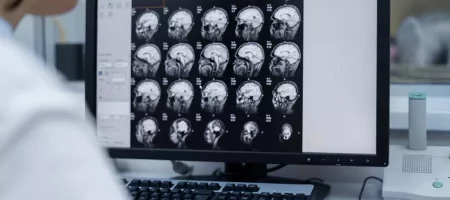
Cranial MRI, one of the most commonly used imaging methods in medicine, allows for a detailed examination of the brain’s structure and tissues. Based on the principle of magnetic resonance imaging, this method uses a strong magnetic field and radio waves to obtain cross-sectional images of brain tissues. Nervous system diseases, tumors, vascular abnormalities, inflammations, and post-traumatic damage can be clearly revealed with this method. Since it does not involve radiation, it is considered a safe option for brain and nervous system examinations.
In Which Cases is a Brain MRI Performed?
Doctors may request a brain MRI when various neurological complaints occur. Prolonged headaches, balance disorders, vision loss, sudden speech disturbances, and epileptic seizures are examples. This method is also used in the diagnosis of brain tumors, vascular obstructions, stroke suspicion, multiple sclerosis (MS), and Alzheimer’s disease. In patients with head trauma, it is used to detect possible bleeding or edema in the brain. Brain MRI plays a major role in the early diagnosis of many conditions.
How is a Brain MRI Performed?
During the imaging procedure, the patient lies on a special table, and the head is fixed in place. The device generates a magnetic field around the patient to capture images. The duration of the scan depends on the purpose of the examination and generally lasts between 20 and 40 minutes. The patient must remain still during the scan, as movement can compromise image quality. Occasionally, the technician may instruct the patient to hold their breath or remain completely motionless. The procedure is completely painless, though the patient will hear noises from the machine.
How is Brain MRI Conducted?
In some cases, contrast agents are used to obtain detailed images. This substance, administered intravenously, helps to better visualize tumors, inflammations, or vascular structures. During the procedure, only the head enters the magnetic field. Because the machine makes loud noises during the scan, patients are given earplugs or headphones. Sedation may be applied for children or patients who have difficulty staying still. After the procedure, the patient can immediately return to daily activities without requiring any special preparation or recovery time.
Is Brain MRI Harmful?
Magnetic resonance imaging does not use ionizing radiation. Therefore, brain MRI is not harmful and is considered a safe imaging method. It can be safely performed in children, the elderly, and individuals with various health conditions. However, caution is necessary for those with pacemakers, brain stimulators, metal implants, or hearing devices, as the magnetic field can interfere with these devices. When contrast material is used, allergic reactions may rarely occur. Overall, brain MRI carries very low risk and provides significant diagnostic benefits.
How Long Does a Brain MRI Take?
The duration of cranial MRI varies depending on the scope of the examination and the use of contrast agents. Generally, it is completed within 20 to 40 minutes. In some special cases, such as when detailed investigation of vascular structures or tumors is required, the duration may extend up to 1 hour. The patient must remain completely still during the procedure, as even the slightest movement can blur the images. Because the machine generates loud sounds, patients are usually given earplugs or headphones. Although newer MRI machines can perform scans faster, patience is necessary for detailed imaging.
How Long Does it Take to Get Cranial MRI Results?
After the scan, the images are examined by a radiologist. The reporting time depends on the hospital’s workload and the complexity of the examination. In most cases, results are delivered to the patient the same day or the next day. However, if a more detailed evaluation is required, preparing the report may take several days. In emergencies, the reporting process is expedited, and results are quickly provided to the physician. During reporting, all regions of the brain are carefully evaluated, and findings are referred to the relevant doctor.
What Can Be Detected in Cranial MRI?
Magnetic resonance imaging allows the brain’s structure and tissues to be examined in great detail. Tumors, cysts, vascular disorders, brain hemorrhages, and trauma-related edema can be clearly detected. Findings related to neurological diseases such as multiple sclerosis (MS), Alzheimer’s, and Parkinson’s can also be observed. Vascular blockages, aneurysms, and brain infections can be identified with cranial MRI. This makes it possible to detect both structural and functional disorders early and to plan treatment accordingly.
Which Diseases is Brain MRI Used For?
Brain MRI has a wide range of applications in patients with neurological complaints. It is commonly used for prolonged headaches, dizziness, vision loss, epileptic seizures, sudden speech disturbances, and stroke symptoms. It is also used in the diagnosis and monitoring of brain tumors, detection of vascular obstructions or hemorrhages, and in identifying dementia, MS, and other nervous system disorders. It plays a crucial role in evaluating structural damage following trauma.
What Should Be Considered During Brain MRI?
Before the procedure, metallic items such as jewelry, watches, hairpins, and belts must be removed, as the strong magnetic field can affect them. Patients with pacemakers, brain stimulators, or metal implants must inform their doctor. Remaining still during the scan is essential for clear images. Sedation may be used for children and patients with limited mobility. If contrast material is to be used, allergy history and kidney function should be checked. After the procedure, patients can resume daily activities, but those given contrast material are advised to drink plenty of fluids.
Which Diseases Can Be Diagnosed with Cranial MRI?
Cranial MRI, performed with magnetic resonance imaging technology, allows for detailed evaluation of the brain’s structural and functional properties. It can diagnose many different diseases. Brain tumors, cysts, vascular aneurysms, and vascular blockages are among the most common findings. Stroke, brain hemorrhage, and trauma-related edema can also be detected early through MRI. Neurological diseases such as multiple sclerosis (MS), Alzheimer’s, Parkinson’s, and epilepsy may also be revealed. Brain abscesses, meningitis, or encephalitis caused by infections can also be identified. In short, cranial MRI is a reliable method used to detect both structural abnormalities and many nervous system disorders.
What Does Lesion Mean in Brain MRI?
The term lesion, frequently mentioned in radiology reports, refers to areas in the brain that appear different from normal tissue. A lesion alone does not indicate a definitive diagnosis. These areas may suggest tumors, vascular obstructions, inflammations, trauma-related damage, or demyelinating diseases. Some lesions may be harmless and only require monitoring, while others may indicate serious conditions. The size, shape, density, and location of the lesion are carefully analyzed by the radiologist. For an accurate diagnosis, clinical findings, laboratory tests, and, if necessary, additional imaging are evaluated together.
Brain MRI Prices 2026
Costs may vary depending on the medical center, the technology of the machine used, and whether contrast material is required. Prices are generally lower in public hospitals, while private healthcare facilities may charge higher fees. For insured patients, part or all of the cost may be covered by insurance in certain cases. Brain MRIs performed with contrast agents are usually more expensive than non-contrast ones. In 2026, the average price range for a brain MRI is expected to be between 3,000 TL and 7,000 TL. In private centers with advanced technology or in detailed examinations, the cost may reach up to 10,000 TL.
Why Would a Doctor Request a Brain MRI?
Physicians may request a brain MRI when symptoms related to the nervous system and brain occur. Examples include persistent headaches, dizziness, vision loss, tinnitus, balance disorders, or epileptic seizures. It is also needed for suspected stroke, brain vascular obstructions, tumor investigations, brain hemorrhage, and post-traumatic damage. Brain MRI also plays a key role in diagnosing progressive neurological diseases such as multiple sclerosis (MS) or Alzheimer’s disease. Doctors rely on MRI results to make accurate diagnoses and plan the most effective treatment.
How Long Does a Normal Brain MRI Take?
The scan duration depends on the scope of the area being examined and the use of contrast material. On average, a brain MRI takes between 20 and 40 minutes. In cases requiring detailed examination, the duration may extend up to 1 hour. The patient must remain still during the procedure, as even minor movement can blur the images. While modern devices allow shorter scan times, patience is required to obtain clear and high-quality images. Since the machine produces loud noises, earplugs or headphones are provided.
Are Brain MRI Results Available Immediately?
After the scan, the images are analyzed and reported by a radiologist. The reporting time depends on the workload of the medical center. For simple examinations, reports are usually ready the same day or the following day. For more detailed cases, it may take several days. In emergency situations, radiologists can prioritize cases and prepare the report quickly. While immediate results are not always possible, doctors usually receive the report shortly, allowing treatment planning to begin.
Is Brain MRI Performed Under Anesthesia?
Most adult patients do not require anesthesia for a brain MRI. However, sedation or anesthesia may be applied for children who cannot remain still, patients with severe anxiety, or those with claustrophobia. Sedation is administered safely by a specialist physician and anesthesiology team, ensuring the patient stays still throughout the scan for quality imaging. The patient’s overall health status is assessed beforehand, and necessary precautions are taken. After the procedure, a short rest period is sufficient before resuming daily activities.
Who Cannot Have a Brain MRI?
Although MRI is considered a safe imaging method, it is not suitable for everyone. Patients with pacemakers, brain stimulators, cochlear implants, or metallic prostheses cannot undergo MRI, as the strong magnetic field may interfere with these devices. Metal clips used in brain aneurysm surgeries may also pose risks. MRI is generally postponed during the first trimester of pregnancy to avoid potential effects on the fetus. Patients with severe claustrophobia may also struggle with closed MRI machines, in which case open MRI may be preferred.
Does a Neurologist Request MRI?
Neurologists, who specialize in nervous system diseases, frequently request MRI scans for diagnosis. Brain MRI may be requested in cases of persistent headaches, sudden vision loss, epileptic seizures, dizziness, suspected stroke, and multiple sclerosis. It is also useful in diagnosing progressive conditions such as Alzheimer’s and Parkinson’s. MRI is highly valuable for early diagnosis and accurate treatment planning of neurological disorders.
How Often Should Brain MRI Be Done?
Not every individual needs regular brain MRIs. However, people with specific risk factors may undergo scans periodically, based on their doctor’s recommendation. Patients with a history of brain tumors, vascular disease risk, chronic conditions such as MS, or a family history of serious neurological diseases may be monitored regularly. For example, MS patients may undergo annual MRI scans to track disease progression. In healthy individuals, brain MRI is performed only if the doctor deems it necessary and is not required routinely every few years.
How is Head MRI Performed?
To visualize the skull and brain structures, the patient lies on the device’s table, and the head is fixed. During the procedure, only the head remains inside the magnetic field. The scan typically lasts 20 to 40 minutes, though it may take longer for detailed examinations. Loud noises are heard from the machine, so patients are given headphones or earplugs. If needed, contrast agents are administered intravenously to better visualize vascular structures, tumors, or inflammations.
What is the Difference Between CT and MRI?
Both methods allow for examination of the body’s internal structures, but they use different technologies. CT (computed tomography) works with X-rays and provides fast results. It is preferred for bone structures, lungs, and masses in internal organs. MRI, on the other hand, uses magnetic fields and radio waves, meaning it does not involve radiation. MRI is superior for detailed imaging of soft tissues. The brain, spinal cord, joints, and muscles are more clearly visualized with MRI. CT is fast and practical, while MRI takes longer but offers more detailed images. The choice of method depends on the type of disease and the doctor’s clinical evaluation.