What is Abdominal CT Scan?
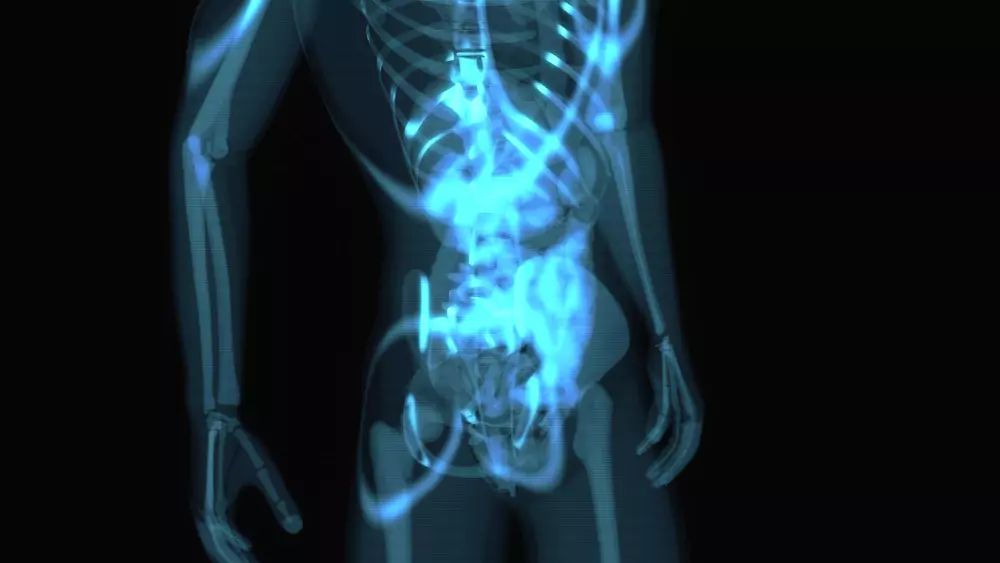
Abdominal CT scan is one of the advanced imaging methods used in medicine, allowing a detailed examination of the organs in the abdominal region. Performed with a computed tomography device, this procedure provides cross-sectional images of the internal organs, helping doctors make diagnoses. Many organs such as the liver, kidneys, pancreas, spleen, intestines, stomach, bile ducts, and bladder can be visualized in detail with this method. Small structures that cannot be seen on a normal ultrasound or X-ray become clearer with an abdominal CT scan. This makes it possible to detect tumors, cysts, stones, vascular diseases, or trauma-related injuries in the abdominal region at an early stage.
How is Abdominal CT Scan Performed?
For the imaging procedure, the patient lies on the table of the CT device. During the scan, the device rotates around the patient to scan the abdominal region. Short breath-holding instructions may be given during the procedure, as movement can negatively affect the clarity of the images. The scan usually takes between 5 and 15 minutes. In some cases, a contrast agent may be used. When administered intravenously, the contrast highlights the vascular structures and organs more clearly. Contrast-enhanced abdominal CT scan provides important information, especially in the evaluation of tumors, vascular blockages, or organ inflammations.
What Does Abdominal CT Scan Examine?
The abdominal cavity covers a very wide area and includes many organs. Therefore, abdominal CT can examine multiple regions at the same time. The liver and bile ducts are evaluated for tumors, stones, or cysts, while the pancreas is checked for inflammation and masses. The kidneys are examined in detail for stones, cysts, or tumors. Intestinal obstructions, colon polyps, or traces of inflammatory bowel diseases can also be seen with CT. Additionally, the structures of the spleen, stomach, and bladder are clearly revealed during abdominal CT.
Why is Abdominal CT Scan Performed?
An abdominal CT may be requested in cases of abdominal pain, unexplained weight loss, persistent nausea, digestive problems, or urinary tract disorders. Doctors may prefer this method when ultrasound or blood tests do not provide conclusive results. Liver tumors, kidney stones, pancreatic inflammation, intestinal obstructions, and internal bleeding can be detected through this method. It also plays an important role in evaluating organ damage after trauma. By enabling early diagnosis, it contributes to accurate treatment planning.
Which Department Performs Abdominal CT Scan?
Patients presenting with abdominal complaints are usually referred to internal medicine, gastroenterology, nephrology, or urology clinics. Specialists in these branches may request an abdominal CT if necessary. The images taken are evaluated and reported by a radiologist. Afterwards, the relevant department doctor reviews these reports, makes the diagnosis, and plans the treatment. In other words, the technical part of the abdominal CT is handled by radiology, while the interpretation of the results is done by the relevant specialists according to the patient’s complaints.
How Long Does Abdominal CT Scan Take?
Abdominal CT, performed for detailed examination of the abdominal region, is a fast imaging method. The scanning process usually takes between 5 and 15 minutes. However, if a contrast agent is used, the duration may be slightly longer, since an IV line must be placed, the contrast administered, and a short waiting period observed. During the procedure, patients are asked to remain still and hold their breath at times. This is very important for image clarity. The short scan duration is especially convenient for patients experiencing pain or difficulty staying still for long periods.
What Should Be Considered Before Abdominal CT Scan?
There are some points patients should pay attention to before imaging. First, metal accessories, belts, buckles, jewelry, and similar items should not be worn. If contrast is to be used, patients may be asked to fast for 4 to 6 hours beforehand. Individuals with diabetes, kidney failure, or heart disease must inform their doctor. Women with suspected pregnancy should also notify their physician. Since radiation is used during the scan, unnecessary repetitions should be avoided. Following the technician’s instructions during preparation ensures the process runs smoothly.
Which Diseases Can Be Diagnosed with Abdominal CT Scan?
Since abdominal CT can image many organs at once, it is used to diagnose a wide range of diseases. Liver tumors, cysts, cirrhosis findings, or fatty liver can be detected with this method. Kidney stones, cysts, and tumors can also be clearly seen. Pancreatic inflammations, tumors, and masses can be distinguished. Gallstones, bile duct obstructions, and inflammations can also be diagnosed with abdominal CT. Intestinal obstructions, inflammatory bowel diseases, spleen enlargements, and internal bleeding can also be visualized. In short, abdominal CT plays a critical role in the early diagnosis of many conditions affecting the abdominal region.
When Are Abdominal CT Results Ready?
After the scan is completed, the images are carefully examined by a radiologist. The findings are then compiled into a report and sent to the relevant doctor. The time it takes for results to be ready depends on the workload of the medical center. In many cases, the report can be received the same day, while in others, it may take a few days. In emergency cases, reporting is done much faster. A definitive diagnosis is made by evaluating the results along with the patient’s complaints and medical history.
What is Upper Abdominal CT Scan?
The abdominal region is examined in two main parts: upper abdomen and lower abdomen. Upper abdominal CT includes a detailed examination of the liver, pancreas, spleen, upper portions of the kidneys, stomach, and bile ducts. In cases of abdominal pain, liver diseases, pancreatitis, or stomach-related issues, upper abdominal CT is preferred. This imaging allows early detection of structural abnormalities, masses, or inflammations in these organs, enabling more accurate treatment planning.
Abdominal CT Scan Prices 2026
Pricing may vary depending on the medical center, the technology of the device used, and whether contrast is applied. There may be differences between state hospitals and private medical centers. In high-tech imaging centers, the price of a full abdominal CT scan is estimated to be around 8,000–18,000 TL.
Is Abdominal CT Harmful?
Abdominal CT, used for detailed examination of abdominal organs, is a type of computed tomography and involves a low dose of ionizing radiation. For this reason, the question “is it harmful?” is often asked. A single abdominal CT scan usually does not pose a serious health risk. However, unnecessary or frequent repetition within short intervals increases the total radiation dose received by the body. This is especially important for children, young individuals, and pregnant women. Doctors only request an abdominal CT when necessary, and the benefit of diagnosing and treating a condition outweighs the radiation risk. With modern devices allowing lower-dose imaging, risks are minimized. For healthy adults, a single abdominal CT does not cause long-term danger.
What Are the Side Effects of Contrast-Enhanced Abdominal CT?
In some cases, an intravenous contrast agent is administered to obtain clearer and more detailed images. This contrast highlights blood vessels, organs, and possible masses. Generally considered safe, these substances may rarely cause side effects. The most common include a metallic taste in the mouth, mild nausea, a sensation of heat, or dizziness. These complaints usually resolve quickly on their own. More serious side effects are rare but may include allergic reactions, shortness of breath, widespread rash, or temporary kidney strain. Patients with kidney disease, diabetes, or a history of allergies must inform their doctor before the procedure. Drinking plenty of fluids after the scan helps the body eliminate the contrast more quickly.
What Can Be Detected in Abdominal CT?
Abdominal CT allows detailed evaluation of many organs at once. Liver tumors, cysts, fatty liver, or cirrhosis can be clearly seen. Kidney stones, cysts, inflammations, or tumors can be detected. Pancreatic inflammations, tumors, and masses can be visualized. Gallstones, bile duct obstructions, or infections can also be identified. Polyps, obstructions, or inflammatory bowel diseases in the intestines may be revealed. Structural abnormalities in the stomach, spleen, and bladder can also be examined. Internal bleeding, organ injuries, and vascular blockages after trauma can also be revealed by abdominal CT. With these features, it provides highly valuable information for both diagnosis and treatment planning.
How is Full Contrast-Enhanced Abdominal CT Scan Performed?
A full abdominal CT, which covers both the upper and lower abdominal organs, allows examination of the entire abdomen at once. Patients may be asked to fast before the procedure. If contrast is to be used, fasting typically lasts 4 to 6 hours. The patient lies on the CT table, and the device scans the abdominal area with circular movements. Short breath-holding instructions may be given during the scan, since movement can negatively affect image clarity. When contrast is administered intravenously, organ boundaries, vascular structures, and possible pathologies become much more detailed. The total duration of the procedure is usually 15 to 20 minutes. After the scan, patients can return to normal activities, but those who receive contrast are advised to drink plenty of fluids during the day.
What Does Upper Abdominal CT Examine?
Upper abdominal CT, used to examine the upper part of the abdomen, allows detailed evaluation of many vital organs. With this method, the liver, gallbladder, bile ducts, pancreas, spleen, stomach, and upper portions of the kidneys can be clearly visualized. Liver masses, cysts, fatty liver, or cirrhosis can be detected during this examination. Gallstones or bile duct obstructions can also be identified. Pancreatic inflammation, tumors, or masses are examined. Additionally, changes in the size or structure of the spleen can be revealed. Upper abdominal CT may also show thickening of the stomach wall, masses, and suspected ulcers. In this way, a wide range of digestive and urinary system conditions can be identified.
Can the Intestines Be Seen on CT Scan?
The intestines can also be visualized during an abdominal CT. The small and large intestines are evaluated cross-sectionally through CT. This allows detection of obstructions, polyps, inflammatory bowel diseases, and abnormalities in the intestinal walls. CT also provides important clues when intestinal tumors are suspected. However, sometimes additional methods are needed to examine the internal structure of the intestines in more detail. Nevertheless, CT enables early detection of many intestinal problems. Intestinal CT is especially useful in cases of sudden abdominal pain, unexplained weight loss, and bowel movement problems.
Can Vascular Blockages Be Detected on CT Scan?
Computed tomography is highly effective in examining vascular structures. Especially when contrast is used, the inside of blood vessels can be clearly visualized. This allows vascular blockages, narrowings, or aneurysms to be easily detected. The main abdominal vessels and their branches can be examined in detail. Detecting vascular blockages early increases treatment chances. CT also reveals the degree, extent, and affected organs of a blockage, enabling more accurate treatment planning.
Does Contrast-Enhanced CT Show Everything?
Contrast-enhanced CT makes the boundaries of organs and vascular structures clearer. However, the answer to “does it show everything?” is no. While CT can reveal many diseases, it cannot detect all conditions on its own. For example, some conditions that require blood tests or biopsy may not be visible on CT. Still, contrast-enhanced CT can detect most tumors, cysts, inflammations, vascular blockages, and organ enlargements. In other words, contrast CT is highly comprehensive in diagnosis, but sometimes additional tests are required for a definitive result.
Which Organs Can Be Seen in Contrast-Enhanced CT?
With contrast-enhanced CT, most abdominal organs can be evaluated in detail. The liver, gallbladder, pancreas, kidneys, spleen, stomach, and intestines are the clearest organs to visualize. The abdominal vessels can also be examined in detail with contrast. Narrowing, blockage, or aneurysms in the vessels can be easily identified. The bladder and reproductive organs may also be included in the examination area. The greatest advantage of contrast CT is that it shows the relationship between possible lesions in organs and surrounding tissues more clearly. This is especially useful in assessing tumor size and spread.
Can Cancer Be Detected on CT Scan?
Among imaging methods, computed tomography is one of the most frequently used when cancer is suspected. Masses, nodules, and abnormal growths in organs or tissues can be revealed with CT. Tumors in areas such as the lungs, liver, pancreas, kidneys, and intestines can be visualized in detail with this method. However, CT alone is not always sufficient for a definitive diagnosis. To determine whether a mass is benign or malignant, a biopsy is required. CT provides important information on the stage, size, and relation of the cancer to surrounding tissues, making it critical in diagnosis and treatment planning for suspected cancer patients.
How to Examine the Intestines Without Colonoscopy?
Colonoscopy is the most commonly used method for evaluating intestinal diseases, but it is not the only option. With computed tomography and magnetic resonance imaging, the structure of the intestines can be examined. A method called virtual colonoscopy provides three-dimensional images of the inner surface of the intestines. Ultrasound is also preferred, especially in children and pregnant women, to examine intestinal problems. Stool tests, blood tests, and endoscopy are also among the supportive methods for diagnosing intestinal diseases. This way, important information about bowel health can be obtained without colonoscopy.
Can Heart Attack Be Detected on CT Scan?
Computed tomography provides important information, especially in evaluating the heart vessels. With coronary CT angiography, blockages in the coronary arteries can be clearly seen. Narrowings that may lead to a heart attack can be detected with this method. The traces of a past heart attack may also appear on CT as tissue loss and damage in the heart muscle. However, in diagnosing a heart attack, electrocardiography (ECG), blood tests, and echocardiography are more commonly used methods. CT is mainly used to determine risk factors and assess the condition of the arteries.
Which Blood Test Shows Vascular Blockages?
Laboratory tests do not directly show vascular blockages, but some values may indicate the risk. High cholesterol, triglyceride, and LDL levels increase the risk of arteriosclerosis and blockages. Uncontrolled high blood sugar and HbA1c levels also negatively affect vascular health. Coagulation tests, especially values such as D-dimer, are important when there is suspicion of clot formation in the vessels. However, imaging methods are necessary to definitively reveal vascular blockages. Blood tests are mainly helpful in identifying risk factors and monitoring disease progression.
Which Test Detects Vascular Blockages?
Since blood tests alone are not sufficient for definitive diagnosis, imaging methods are used. Doppler ultrasound is commonly used to detect blockages by showing blood flow inside the vessels. Computed tomography angiography and magnetic resonance angiography also allow detailed examination of the vessels. These tests help determine the exact location, degree, and extent of a blockage. For coronary blockages, coronary angiography is considered the gold standard. This allows a definitive diagnosis of vascular blockage and treatment planning.