What is Fluoroscopy?
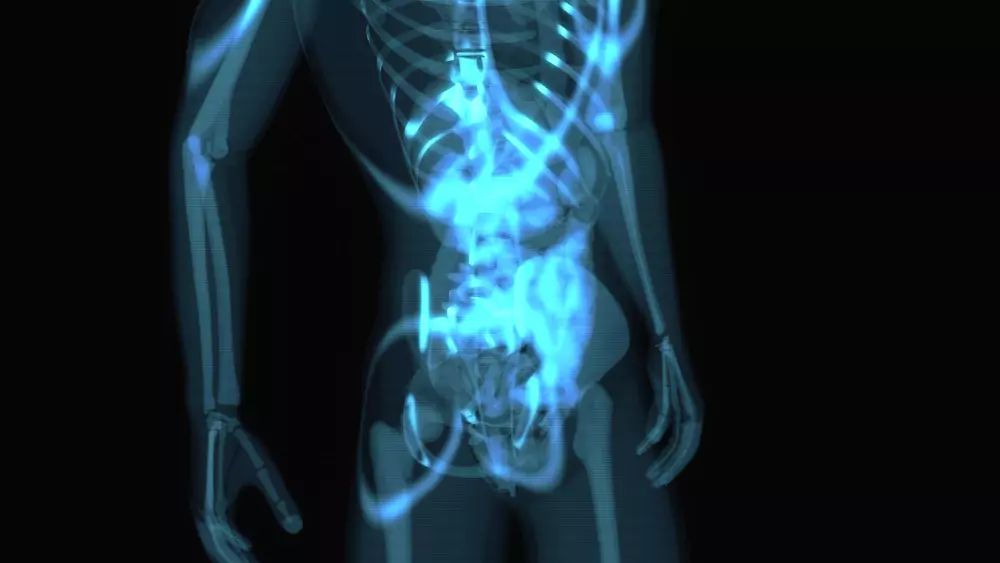
Fluoroscopy holds a special place among imaging methods, as it is a technological technique that allows real-time examination of moving structures. By continuously emitting X-rays, the movement of organs and tissues is visualized simultaneously. This feature enables not only taking a static image but also observing the functional activity of organs.
It plays an important role in evaluating areas that are constantly in motion, such as the digestive system, joint movements, and vascular structures. With fluoroscopy, we achieve more accurate results in diagnosing diseases and provide our patients with a reliable diagnostic process.
What is Fluoroscopy Used For?
Since it allows detailed imaging of moving structures, it is used in many areas. In digestive system examinations, the movements of the esophagus, stomach, and intestines can be monitored with fluoroscopy. It is also preferred for joint movement disorders, swallowing difficulties, and during vascular interventions.
Additionally, it is used as a guide in some interventional procedures. For example, advancing a catheter or placing a stent under fluoroscopic guidance increases the safety of the procedure. We use this method in both diagnostic and therapeutic stages, providing patients with high-precision services.
How is Fluoroscopy Performed?
Special devices are used during the procedure. Low-dose X-rays are applied to the relevant area of the patient, and these rays are displayed on a screen in real time. Sometimes a contrast agent is used to obtain clearer images. This agent allows a more detailed view of the digestive system or vascular structure.
During the procedure, the patient is moved into different positions, allowing a clearer observation of the organ’s function. The procedure is usually short, and the patient can return to daily life afterward. We perform fluoroscopy with modern devices, providing a safe and comfortable experience for our patients.
In Which Situations is Fluoroscopy Necessary?
This frequently used method in daily medical practice is especially preferred in the investigation of digestive system disorders. Fluoroscopy is performed when there is difficulty swallowing, or suspicion of narrowing or blockage in the stomach or intestines. It may also be necessary for joint movement disorders, urinary tract problems, and some vascular examinations.
Additionally, it is an important aid in surgical and orthopedic procedures. Procedures such as catheter placement, stent insertion, or biopsy can be performed more safely under fluoroscopic guidance. Contact us for pricing; we provide the most suitable solutions for your diagnostic and therapeutic process. We prioritize your health and offer services using the most accurate methods.
Difference Between Fluoroscopy, MRI, and CT
Medical imaging methods rely on different technologies, and each has its advantages. Fluoroscopy allows real-time observation of moving structures and uses X-rays. MRI provides imaging with a magnetic field and does not involve radiation. CT (computed tomography) provides cross-sectional images and offers more detailed anatomical information compared to fluoroscopy.
Fluoroscopy is preferred for digestive system, joints, and interventional procedures, while MRI is mainly used for brain, spine, and soft tissue examinations. CT is preferred for lungs, vascular structures, internal organs, and tumor investigations. We choose the most appropriate method according to the patient’s needs, managing the diagnostic process safely.
Is Fluoroscopy Harmful?
Since X-rays are used, fluoroscopy exposes the patient to a low dose of radiation. However, with modern devices, this dose is very low. When the procedure duration is short and necessary precautions are taken, it does not pose a serious risk.
It is not performed on pregnant women and children unless deemed necessary by a doctor. The risk-benefit balance is always considered. We perform fluoroscopy in accordance with international safety standards, prioritizing our patients’ health.
What to Consider Before and After Fluoroscopy?
Before the procedure, it is important for the patient to provide a detailed medical history to the doctor. Any medications, allergies, and chronic conditions should be reported. In some cases, fasting may be required, especially for digestive system examinations.
After the procedure, if a contrast agent is used, it is recommended to drink plenty of fluids to help eliminate the agent from the body faster. Most patients can return to daily life on the same day. We provide detailed information to our patients before and after the procedure, ensuring a smooth and safe experience.
How Long Does Fluoroscopy Take?
The duration depends on the scope of the examination. Simple joint movement evaluations may take a few minutes, while digestive system or vascular examinations can take 20–30 minutes. The patient may need to change positions during the procedure, which can affect the duration.
In most cases, the patient completes the procedure the same day and returns to normal life. We complete fluoroscopy procedures in the shortest possible time, minimizing time loss while providing the clearest images for accurate diagnosis.
When Will Fluoroscopy Results Be Ready?
The time for results depends on the type of examination. Simple joint or movement evaluations are usually reported on the same day. More detailed examinations, such as digestive system or vascular imaging, may take a few days. A radiology specialist carefully evaluates the images and prepares the report.
In urgent cases, results can be provided much faster at the doctor’s request. We manage the process meticulously to ensure our patients receive their results quickly and reliably, avoiding unnecessary delays.
Where is Fluoroscopy Performed?
This imaging method is performed in hospitals and radiology centers equipped with advanced devices. Fluoroscopy requires specialized equipment and experienced specialists. Since real-time imaging is obtained, the quality of the device and the doctor’s expertise are crucial.
It is generally performed in radiology departments, as it can be applied to different areas such as digestive system, joints, or vascular examinations. We safely perform fluoroscopy with our modern devices, providing patients with a comfortable and reliable service.
Fluoroscopy Prices 2026
Costs vary depending on the scope of the procedure, the technology used, and the center’s features. Simple joint examinations are more affordable, while digestive system or vascular studies using contrast agents may be higher in price. Differences may also exist between private healthcare facilities and public hospitals. For comprehensive fluoroscopy or procedures requiring special protocols, prices can start from 10,000 TL and above.
For 2026, prices are expected to increase in line with the general rise in healthcare services. Contact us for pricing; we provide the most up-to-date information. We prioritize your health and offer reliable, high-quality services under the best possible conditions.
Should Fluoroscopy be Performed Fasting or Fed?
One of the most common questions patients have is whether they should be fasting or not. The requirement depends on the technique used. If the digestive system is being examined, having an empty stomach provides clearer images. Therefore, usually a 6–8 hour fasting period is requested before the procedure. This allows the contrast agent to spread better through the organs, producing clearer diagnostic images.
For joint, vascular, or urinary tract examinations, fasting is not always necessary. In some cases, only light meals may be allowed. Drinking water is usually permitted and helps the kidneys eliminate the contrast agent. We provide individualized instructions to each patient before the procedure, explaining exactly how to prepare. This ensures patients feel ready and achieve the best possible results.
Are Medications Used in Fluoroscopy Harmful?
Contrast agents may be used to obtain clearer images. These agents coat the internal surfaces of organs, making them more visible under X-rays. Barium sulfate or iodine-based agents are commonly used. In healthy individuals, contrast agents generally do not have serious side effects and are eliminated through the kidneys after the procedure.
Rarely, allergic reactions may occur. Therefore, the patient’s allergy history, kidney function, and previous experiences are always checked before the procedure. Additional protective measures are taken if necessary. We always adhere to safety standards, prioritizing our patients’ health when using contrast agents, minimizing medication-related risks, and ensuring a safe diagnostic process.
Is Fluoroscopy Painful?
No surgical intervention is performed during this procedure. Moving images are obtained simply by exposing the patient to X-rays for a certain period. Therefore, no pain is felt during the procedure. If a contrast agent is used orally, mild discomfort may be experienced. When administered intravenously, a brief burning or warm sensation may occur, but this is temporary.
Some patients may experience slight muscle fatigue or discomfort due to remaining in the same position for a long time. This is normal and disappears after the procedure. We make fluoroscopy as comfortable as possible, providing necessary information to reduce patients’ anxiety.
What to Consider After Fluoroscopy?
Most patients can return to daily life immediately after the procedure. If a contrast agent is used, it is recommended to drink plenty of fluids to help eliminate it from the body faster. Drinking water reduces kidney burden and helps remove the contrast agent naturally.
Rarely, barium given for intestinal imaging may cause mild constipation. In such cases, consuming fiber-rich foods is helpful. Although extremely rare, allergic reactions may occur; if redness, itching, or shortness of breath appears, patients should contact their doctor immediately. We provide detailed instructions after the procedure, explaining everything patients need to consider to ensure a safe and smooth process.
Is Fluoroscopy Available in Public Hospitals?
This imaging method can also be performed in public hospitals with well-equipped radiology departments. However, not every hospital has fluoroscopy equipment. It is mostly performed in university hospitals and large centers with advanced technology. Compared to private healthcare centers, costs in public hospitals are lower and, in some cases, may even be covered by insurance.
Patients can apply to public hospitals based on their doctor’s referral to have the procedure done. Contact us for pricing; we provide the latest information. We prioritize your health and perform fluoroscopy safely with modern devices, applying the most accurate method for each patient and managing the diagnostic process meticulously.