What is a Check-Up?
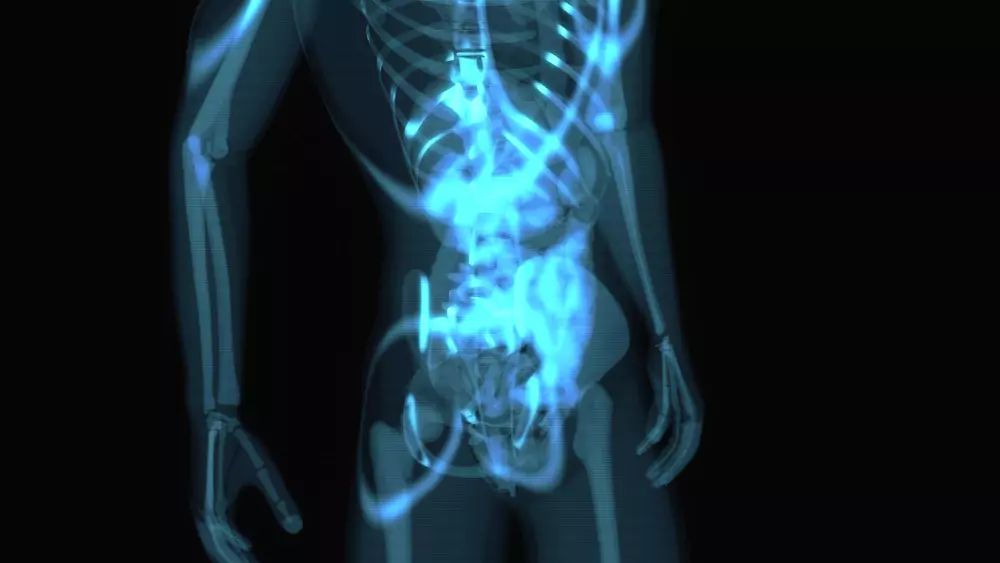
A check-up is a comprehensive health screening aimed at assessing a person’s overall health status. Nowadays, many diseases can progress without showing symptoms. Therefore, regular check-ups can detect potential health issues at an early stage. We provide the most reliable results during the check-up process with modern equipment and expert staff. We emphasize that you should not postpone regular health checks to protect your health.
What Does a Check-Up Include?
A check-up program may include different tests depending on a person’s age, gender, lifestyle, and medical history. This can involve blood tests, urine tests, ECG, chest X-rays, ultrasound, MRI, or CT scans. Additionally, gynecological examinations for women and prostate checks for men may also be included. Get a quote from us, and we will offer the most suitable check-up packages for you.
Why Should You Get a Check-Up?
A check-up improves quality of life through early diagnosis. Serious conditions such as cardiovascular diseases, various types of cancer, diabetes, and high blood pressure can be detected before symptoms appear. This allows for faster treatment initiation and prevents disease progression. We care about your health and provide you with the right guidance for regular check-ups.
How is a Check-Up Performed?
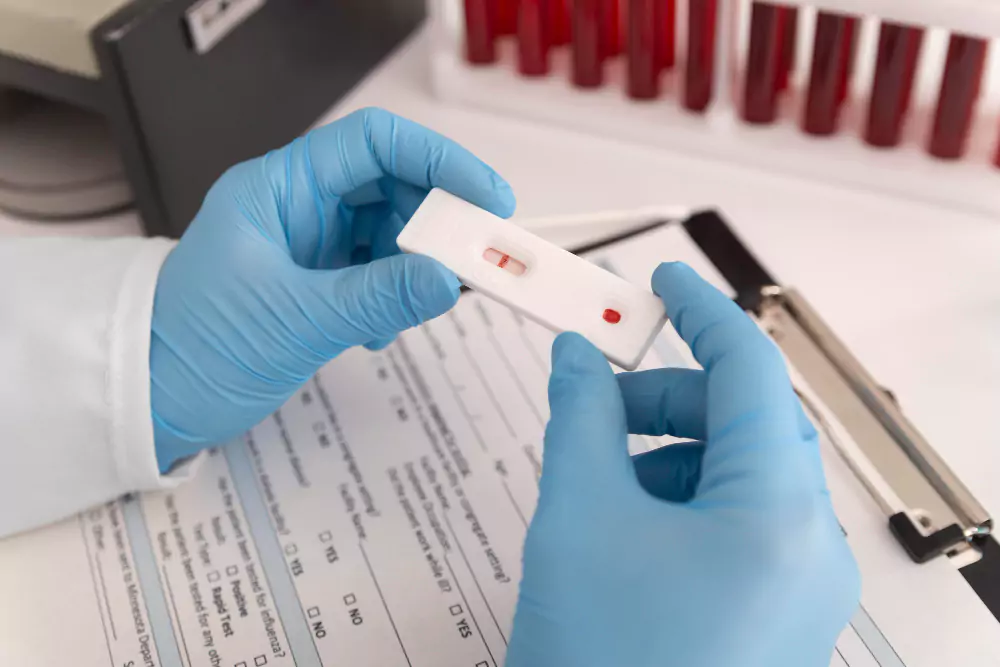
The check-up process begins with a detailed consultation with a doctor. Then, tests tailored to the individual are performed. Blood and urine samples are collected, imaging techniques are applied, and heart and lung health is evaluated. Results are reviewed by specialist physicians, and necessary recommendations are made. We carefully plan all these steps and provide our patients with a safe process.
Who Should Have a Check-Up and How Often?
Check-ups are important even for healthy individuals. It is recommended that everyone undergo a check-up at least once a year starting from age 30. Those with a family history of heart disease, diabetes, or cancer should have more frequent check-ups. We determine the most suitable check-up intervals based on your age and health status, guiding you toward a healthy life.
Precautions Before a Check-Up
There are several points to consider before a check-up. Fasting is important for accurate test results. If you are taking medication, you must inform your doctor. Wearing comfortable clothing also facilitates the process. We provide all necessary information before the check-up, ensuring that patients come prepared.
Medication Use Before a Check-Up
Medications taken before a check-up must be reported to the doctor. Regularly used medications for blood pressure, diabetes, heart conditions, or other illnesses can affect test results. Therefore, whether to pause medication should only be determined by the doctor. We take our patients’ existing medications into account and provide all necessary guidance to ensure accurate results.
At What Age Should You Get a Check-Up?
Check-ups are important for everyone who wants to protect their health. Generally, regular check-ups are recommended from age 30. However, those with a family history of heart disease, hypertension, diabetes, or cancer should start earlier. Check-ups can also be done for children and young people if necessary. Get a quote from us for check-up packages suitable for your age and health condition.
How Many Days Do Check-Up Results Take?
Check-up results vary depending on the types of tests performed. Blood and urine tests are usually completed the same day, while imaging methods and advanced tests may take a few days. Generally, check-up results are ready within 1 to 3 days. We ensure results are prepared quickly and accurately, providing patients with detailed reports.
How Long Does a Check-Up Take?
The duration of a check-up depends on the number of tests performed. On average, it is completed within a few hours. Patients arriving fasting in the morning give blood and urine samples, undergo radiological imaging, and then have a doctor’s examination. Careful planning allows most of the process to be completed on the same day. We perform check-ups quickly and reliably, offering a comfortable experience.
Can Cancer Be Detected in a Check-Up?
Many people wonder if cancer can be detected early through a check-up. Check-up programs are especially important for individuals with risk factors, allowing early detection of potential signs. Abnormal changes in blood values, tumor markers, or suspicious findings through imaging can be identified. This allows treatment to start before the disease progresses, leading to better outcomes. Not all cancers show symptoms in the same way, so check-up packages can be customized. Individuals with a family history of cancer or exposed to risk factors like smoking and alcohol should have regular check-ups. We combine comprehensive tests and imaging techniques to help detect diseases at an early stage.
What Does a Check-Up Examine?
Health screenings cover a wide range and examine many systems in the body in detail. Generally, check-up programs include blood tests, urine tests, liver and kidney function tests, cholesterol and blood sugar levels, and hormone tests. Imaging methods such as ECG, chest X-ray, ultrasound, MRI, or CT may also be performed. This way, everything from cardiovascular health to digestive system, kidneys, and liver is reviewed. Gynecological exams for women and prostate screenings for men can also be included. Check-ups not only evaluate current complaints but also help predict future health risks. We perform all these examinations with modern equipment and ensure results are evaluated quickly. You can maintain control of your health by having regular check-ups.
Check-Up Prices 2026
Health screening prices vary based on several factors, including package contents, number of tests, and diversity of laboratory and imaging methods. Basic packages include blood tests and routine checks, while comprehensive packages may include MRI, CT, advanced hormone tests, or genetic analysis. Full, highly detailed VIP or plus packages can range from approximately 10,000 – 30,000 TL or more.
We offer the most suitable option for your health and provide all necessary screenings under one roof. Never forget that early detection saves lives, and we provide the most accurate and comprehensive check-up service for you.
Does a Check-Up Detect Everything?
One of the most common questions about health screenings is whether a check-up can detect all diseases. General screening programs cover a wide range from blood tests to imaging techniques and can reveal many health issues. However, no method can definitively diagnose all diseases on its own. Some cancers or early-stage conditions may not be detected during routine screenings. Regular check-ups provide comprehensive information about cardiovascular health, kidney and liver function, cholesterol and blood sugar levels, hormone balance, vitamin deficiencies, and many other systems. We do this because early detection is critical for maintaining health. We provide this because risks identified during check-ups can be managed before progression. Get a quote from us because the planned program varies according to age, gender, family history, and individual complaints.
How Long Does a Detailed Check-Up Take?
The duration of comprehensive screenings depends on the variety of tests performed. Basic blood tests and routine measurements can be completed within a few hours, while detailed check-ups generally take half a day to a full day. After fasting blood samples in the morning, additional procedures such as ultrasound, ECG, X-ray, stress tests, and respiratory function tests are conducted. In some cases, advanced evaluations may extend the process to a full day. We provide this because a detailed check-up carefully examines a person’s overall health. We provide this because patients learn both their current values and receive lifestyle recommendations. Get a quote from us because the scope of procedures determines the duration.
Which Department Should You Visit for a Check-Up?
Routine screenings are multidisciplinary and not limited to a single specialty. The initial step usually involves an internal medicine (dahiliye) specialist. Blood tests, ultrasound, and other procedures are evaluated by various specialists. Cardiology, radiology, pulmonology, endocrinology, gynecology, or urology may also be included based on the patient’s age and gender. We do this because the goal is not only to assess current complaints but also to identify potential future risks. We provide this because a personalized health roadmap is created. Get a quote from us because check-up programs are customized and the included departments are determined accordingly.
Are Check-Ups Available at Public Hospitals?
Basic health screenings are available at public hospitals in our country. However, these services may not be as comprehensive as those offered by private centers. Public hospital check-up packages usually include blood tests, urine tests, and some imaging procedures. For more detailed screenings, private centers are preferred. We provide this because we prepare personalized programs according to patients’ needs. We provide this because quick results and detailed interpretation are very important. Get a quote from us because public hospital screenings may be limited, while private packages offer personalized planning.
Should You Be Fasting Before a Check-Up?
Most screening tests require fasting for accurate results. Blood sugar, cholesterol, triglycerides, liver, and kidney function tests require 8–12 hours of fasting. Only water is allowed. This is also necessary for procedures like abdominal ultrasounds, as a full stomach can affect imaging. We do this because accurate data is essential for proper diagnosis. We provide this because following fasting instructions improves test reliability. Get a quote from us because fasting requirements vary according to the check-up program.
What to Wear for a Check-Up?
Comfortable, non-restrictive, and easy-to-remove clothing is recommended when going to the hospital or clinic for routine health screenings. Clothing that allows easy access to the arms and chest facilitates procedures like blood tests, ECG, or ultrasound. Metal accessories, jewelry, and zippers may interfere with imaging tests and should be avoided. We do this because patient comfort ensures accurate tests and a more relaxed experience. We provide this because clothing choices contribute to an efficient check-up process. Get a quote from us because preparation requirements may vary according to the program.
What is a Mental Health Check-Up?
A recently emerging type of health screening is the mental health check-up. In addition to standard check-up tests, it includes special assessments of cognitive function, memory capacity, attention levels, and overall mental health. Early unnoticed cognitive issues can be detected this way. It serves as an early warning for conditions like Alzheimer’s, dementia, or attention deficit. We provide this because mental health is as important as physical health. We provide this because regular mental check-ups can improve quality of life. Get a quote from us because comprehensive programs may include neuropsychological tests, imaging methods, and laboratory analyses.
What Does a Women’s Check-Up Examine?
Women-specific check-up programs include general health screenings as well as tests related to women’s health. Gynecological exams, Pap smears, breast ultrasound, or mammography may be included. Hormone tests, thyroid function tests, and bone density measurements are also commonly performed. We do this because women’s health needs vary according to life stages. We provide this because early diagnosis through these programs can prevent serious diseases. Get a quote from us because women’s check-up packages vary depending on age, reproductive history, and risk factors.
How to Make a Check-Up Appointment?
To participate in health screenings, an appointment must first be made with a healthcare facility. Appointments can be scheduled by phone, online, or directly through the institution’s consultation unit. During the appointment, age, medical history, complaints, and requests are assessed to determine the appropriate program. We provide this because personalized planning ensures an efficient process. We provide this because accurate program selection is made based on information provided beforehand. Get a quote from us because check-up packages vary, and a clear plan can be made at the appointment stage.
What Are the Benefits of a Check-Up?
Regular health checks increase quality of life by detecting diseases at an early stage. Check-ups can identify risks related to cardiovascular diseases, diabetes, thyroid problems, kidney and liver function, vitamin deficiencies, and many other systems. Additionally, lifestyle-based recommendations can help individuals lead a healthier life. We do this because early diagnosis is always more effective than treatment. We provide this because regular check-ups can prevent disease progression. Get a quote from us because comprehensive, personalized programs offer solutions for different health goals.
What Does a Men’s Check-Up Examine?
Men-specific health screenings include general check-up tests as well as male-specific assessments. Blood tests, urine tests, liver and kidney function tests, cholesterol and blood sugar levels are essential. Additionally, PSA testing, testicular examination, and hormone level checks are important components of men’s check-up packages. Cardiovascular evaluations such as ECG, stress tests, and chest X-rays may also be performed. We do this because heart disease, hypertension, and prostate problems are more common in men over 40. We provide this because early detection through regular screenings allows for easier treatment. Get a quote from us because men’s check-up packages vary depending on age, risk factors, and needs.
Which Hospitals Offer Check-Ups?
Comprehensive health screenings are available at private hospitals and some public hospitals. However, the variety and level of detail of check-up programs are usually greater in private healthcare facilities. Private hospitals can prepare personalized packages, evaluating both general health and individual risk factors. We provide this because the technological equipment and experience of the specialist team are crucial. We provide this because screenings in well-equipped facilities yield faster and more reliable results. Get a quote from us because every hospital offers different packages and services.
Do Family Physicians Conduct Check-Ups?
Many people think they can have basic health checks through family physicians. Family doctors can perform routine tests, blood tests, and basic examinations. However, detailed check-up programs usually require specialists in radiology, cardiology, endocrinology, and other hospital departments. We do this because family physicians are an important step in referrals. We provide this because an effective check-up often requires collaboration among specialists. Get a quote from us because while family physician screenings are free, comprehensive check-up packages are priced according to hospital programs.
Does Health Insurance Cover Check-Ups?
Health insurance coverage varies according to policy. Some private health insurance plans may cover check-up costs once a year, while others may require additional payment. Public health insurance does not cover check-up services. Therefore, it is essential to check whether your policy includes check-ups before obtaining insurance. We provide this because we offer solutions tailored to individual health needs. We provide this because there are insurance options to reduce the financial burden of regular screenings. Get a quote from us because check-up benefits vary across insurance companies.