What is a Hysterosalpingography (HSG)?
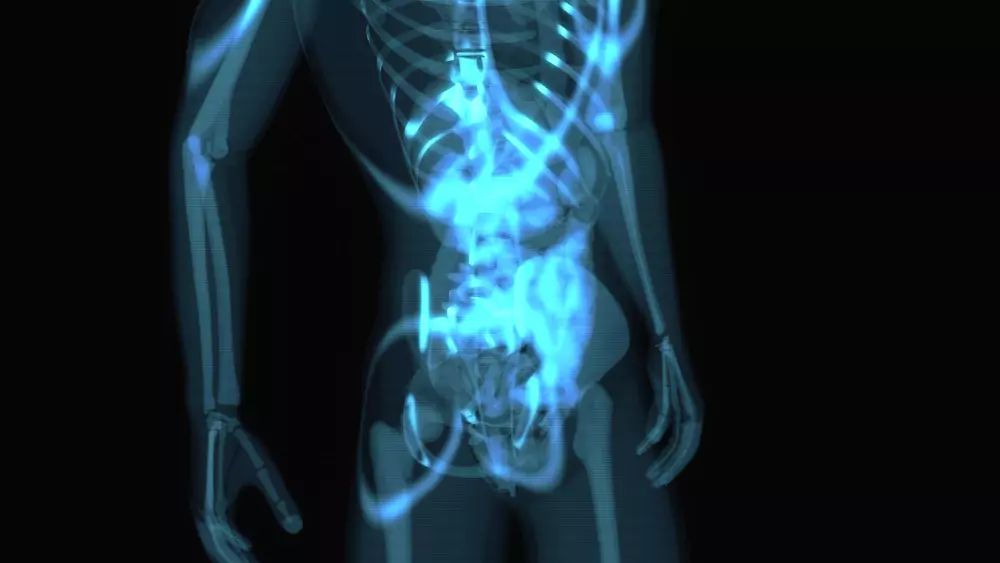
Hysterosalpingography (HSG), commonly known as a uterine film, is an X-ray procedure performed to evaluate the structural features of the uterus and fallopian tubes. In this procedure, a special liquid called contrast medium is injected into the uterus, and X-ray images are taken. The shape of the uterus, its internal structure, and whether the fallopian tubes are open can be assessed through this test. It is an important diagnostic method in the investigation of infertility in women. Although it is a relatively simple imaging procedure, it provides highly valuable information regarding women’s health.
Why is an HSG Performed?
HSG is one of the first tests performed in couples with suspected infertility. Determining whether the fallopian tubes are blocked is crucial for understanding if natural conception is possible. Additionally, congenital uterine anomalies, polyps, fibroids, or adhesions can also be detected with this film. Recurrent miscarriages, pre–IVF evaluation, and investigating intrauterine abnormalities are other reasons why an HSG may be requested.
How is an HSG Performed?
HSG is usually performed within a few days after the end of menstruation. At this time, the possibility of pregnancy is excluded, and the uterine lining is thin, which allows clearer images. During the procedure, the patient lies in a gynecological examination position. A thin catheter is inserted through the vagina into the cervix, contrast medium is injected, and X-ray images are taken. The procedure typically lasts 10–20 minutes. Mild pelvic pain or cramping may occur but usually resolves quickly.
Who Should Not Have an HSG?
An HSG is not suitable for all women. It is strictly contraindicated in those with suspected pregnancy. It should also not be performed in women with active genital infections, as the infection may spread. Patients with a history of severe allergic reactions should be carefully evaluated before contrast use. HSG is not done unnecessarily and is only recommended when medically indicated.
When is an HSG Needed?
An HSG is most often requested during infertility evaluation. Knowing whether the fallopian tubes are open is critical for deciding on treatment strategies. It may also be required to investigate the causes of recurrent miscarriages, detect intrauterine structural problems, or prepare for IVF treatment. The need for an HSG is determined by the physician after physical examination and other tests.
Who Can Undergo an HSG?
HSG is generally performed in women who have difficulty conceiving as part of an infertility workup. It can also be requested in cases of recurrent miscarriage, suspected intrauterine adhesions, or during IVF preparation. This method is chosen when evaluating the structure of the uterus and fallopian tubes is necessary. However, it is not suitable for everyone; pregnant women, those with active genital infections, and those allergic to contrast should avoid it. The decision is made by a physician based on the patient’s condition.
How Does the HSG Procedure Work?
HSG is usually done between the 3rd and 7th day after menstruation ends. The patient is positioned as in a gynecological examination. First, the vagina and cervix are cleaned, then a thin catheter is used to inject contrast medium into the uterus. The fluid fills the uterus and passes through the tubes into the abdominal cavity. During this process, X-ray images are taken. If fluid is seen passing through the tubes, they are considered open. The procedure lasts about 10–20 minutes and may cause mild cramping, which usually subsides quickly.
Preparations Before an HSG
There are some important considerations before an HSG. It should be performed in the days following menstruation when pregnancy is not possible. To reduce infection risk, some patients may be prescribed antibiotics before the procedure. Pain relievers may be recommended to reduce cramps that can occur when the cervix is dilated. The doctor will also ask about any history of allergy to contrast agents. Patients on blood thinners should consult their doctor about medication use before the procedure.
What to Expect After an HSG
After an HSG, mild pelvic pain, spotting, or vaginal discharge may occur, which is considered normal. However, severe pain, heavy bleeding, or fever requires immediate medical attention. Patients are advised to avoid sexual intercourse for a few days afterward to reduce the risk of infection. Maintaining proper hygiene and taking prescribed antibiotics or medications as directed is important. Most women can return to daily activities right away. In some cases, pregnancy chances increase after HSG, as the contrast medium may help clear minor blockages in the tubes.
What Happens During an HSG?
The procedure begins with the patient in a gynecological examination position. The cervix is cleaned, and a thin catheter is inserted. Contrast medium is then injected into the uterus, filling it and moving into the fallopian tubes and abdominal cavity. X-ray images are taken during this process, clearly showing the structure of the uterus and whether the tubes are open. The procedure usually takes 10–20 minutes. Some women may experience cramping as the contrast passes through the tubes, but this discomfort is usually short-lived.
What Happens After an HSG?
Mild pelvic pain, abdominal pressure, or spotting may occur after HSG. Some of the contrast medium may leak out of the vagina, so using a sanitary pad is recommended. Most women resume daily life the same day. In some cases, mild discomfort or discharge may persist for 1–2 days. Rarely, infection may occur, with symptoms such as fever, foul-smelling discharge, or severe pain, which require medical evaluation.
What Do HSG Results Mean?
An HSG evaluates the uterus, its shape, and the openness of the fallopian tubes. If contrast medium passes freely through the tubes into the abdominal cavity, the tubes are open. If not, a blockage may be suspected. Adhesions, polyps, fibroids, or congenital uterine anomalies can also be detected. Accurate interpretation of results is essential for infertility treatment and pregnancy planning.
HSG Prices 2026
The cost of an HSG varies depending on whether it is performed in a public or private institution, the technology used, and any additional procedures required. In state hospitals, women covered by social security (SGK) are usually not charged or pay a minimal fee. In private clinics, the cost ranges from approximately 2,500 to 9,000 TL. In private hospitals, prices may be higher in 2026. HSG performed with MRI or advanced techniques may also cost more. Exact pricing should be confirmed directly with the chosen healthcare provider.
Is an HSG Painful?
Some women experience mild to moderate pain during HSG, similar to menstrual cramps. The discomfort usually occurs while injecting the contrast medium into the uterus. The severity of pain may vary depending on whether the tubes are open or blocked. Since the procedure is short, pain is usually brief. Most patients return to daily activities right away. If necessary, simple painkillers taken before the procedure can help minimize discomfort.
What Are the Risks of HSG?
As with any medical procedure, HSG carries some risks. The most common is infection after the contrast medium is introduced into the uterus, which is why antibiotics are often prescribed afterward. Rarely, allergic reactions to the contrast medium may occur. Spotting and pelvic pain are normal, but heavy bleeding or severe pain requires medical attention. Very rarely, uterine wall injury may happen, though this risk is extremely low.
How Many Days After a Period is an HSG Done?
HSG is usually performed between the 3rd and 7th days after menstruation ends. This timing ensures the uterine lining is thin, providing clearer images. It also excludes pregnancy and allows easier catheter insertion, making the procedure safer and more effective.
Can You Have Intercourse Before an HSG?
It is generally advised to avoid sexual intercourse before HSG. The main reason is to eliminate the possibility of early pregnancy, as the contrast medium could harm the fetus. Avoiding intercourse also reduces the risk of infection. Therefore, after menstruation, it is recommended to refrain from sex until the HSG is completed.
Can You Get Pregnant After an HSG?
Yes, pregnancy is possible after HSG. In fact, for some women, the chances of pregnancy increase. The contrast medium may clear minor adhesions or blockages in the fallopian tubes, improving their function. While this does not apply to every patient, clinical observations show increased pregnancy rates in the months following HSG, especially in unexplained infertility cases.
Can an HSG Be Done During Menstruation?
HSG is generally not performed during menstruation. During bleeding, infection risk is higher, and imaging is less clear. The best time for HSG is within the first week after menstruation ends when the uterine lining is thin and images are sharper.
Does HSG Increase Pregnancy Chances?
HSG is not only diagnostic but may also have a therapeutic effect. The contrast medium can clear minor adhesions in the fallopian tubes, improving their function. Studies show higher rates of spontaneous pregnancy in the months following HSG, particularly in unexplained infertility cases.
Can HSG Open Blocked Tubes?
The contrast medium may clear small blockages during HSG, a process known as the “hydrotubation effect.” However, completely blocked tubes or severe adhesions cannot be treated with HSG. In such cases, surgery or IVF is required. Still, the potential benefit makes HSG an advantage in infertility treatment.
What Are the Side Effects of HSG?
HSG is generally safe, but some side effects may occur. Mild pelvic pain and spotting are normal. Rarely, allergic reactions to contrast medium or infections may develop. Fever, severe pain, or foul-smelling discharge after HSG requires medical evaluation. Very rarely, uterine wall injury may occur. These risks are uncommon when performed by experienced physicians.
Is it Safe to Conceive Immediately After HSG?
For most women, conceiving in the same month after HSG is safe. The contrast medium leaves the body quickly and does not cause long-term harm. However, if complications like infection or severe pain occur, pregnancy should be planned under medical guidance. In general, HSG does not prevent pregnancy, and in fact, it may increase the chances.
What Does HSG Show?
An HSG shows the structure and shape of the uterus and the openness of the fallopian tubes. Congenital uterine anomalies (such as a double uterus or uterine septum), polyps, fibroids, or adhesions can be detected. The test also reveals whether contrast passes freely through the tubes into the abdominal cavity (indicating openness) or not (indicating blockage).
Can You Get Pregnant the Same Month as an HSG?
Yes, many women have conceived in the same month as their HSG. The contrast medium may help open minor blockages in the tubes, increasing their permeability. This effect is especially beneficial in cases of unexplained infertility. Clinical observations show increased pregnancy rates within the first few months following HSG.
Does HSG Make Pregnancy Easier?
HSG is primarily a diagnostic tool, but it can also have a therapeutic benefit. The contrast medium acts like a “cleanser,” helping clear minor tubal blockages. As a result, natural conception chances may improve, particularly in women without completely blocked tubes. This dual role makes HSG a valuable procedure in infertility management.
Why Do Doctors Request an HSG?
Doctors order HSG primarily to evaluate whether the fallopian tubes are open and to assess uterine abnormalities during infertility investigations. It is also used to investigate recurrent miscarriages and before IVF to ensure the uterus is structurally normal. Thus, HSG is one of the most important diagnostic tools in fertility evaluation.
Which Day of the Period is Best for HSG?
HSG is best performed between the 3rd and 7th days after menstruation ends. This timing ensures the uterine lining is thin and pregnancy is unlikely. It also makes the cervix easier to open, facilitating the procedure. HSG should not be performed during active menstruation due to poor imaging and increased infection risk.
How Long Should You Avoid Intercourse After HSG?
It is generally recommended to avoid sexual intercourse for 2–3 days after HSG. This reduces the risk of infection while the uterus is still sensitive. If severe pain, fever, or heavy discharge develops, intercourse should be postponed until after medical evaluation.
How Many Days Before HSG Should You Avoid Intercourse?
Unprotected intercourse should be avoided before HSG to eliminate pregnancy risk. Therefore, after menstruation, it is advised to refrain from intercourse until the test is done. This ensures safety and accuracy of results.
Does Public Insurance Cover HSG?
In public hospitals and university hospitals, HSG is usually covered by social security (SGK). When requested for medical reasons such as infertility investigation or recurrent miscarriages, patients typically do not pay extra or only a small fee. In private hospitals, however, HSG may require payment.
Does SGK Cover HSG?
Yes, SGK usually covers HSG if ordered by a gynecologist for medical reasons such as infertility workup, uterine anomalies, or recurrent miscarriage. However, some private hospitals may charge an additional fee.
Why is HSG Performed After Menstruation?
HSG is not done during menstruation but in the week after it ends. This is because the uterine lining is thin and pregnancy risk is absent, making the test safer and the images clearer. Performing it during menstruation increases infection risk and reduces image quality.
Does HSG Open Tubes?
The contrast medium can clear minor adhesions or partial blockages in the fallopian tubes. This effect may improve pregnancy chances. However, completely blocked tubes cannot be opened with HSG, requiring surgery or IVF. Still, the “cleaning effect” of HSG is considered an advantage in infertility treatment.
HSG With or Without Anesthesia?
HSG is usually performed without anesthesia. Most women experience only mild cramps similar to menstrual pain. However, in patients with low pain tolerance or for comfort, mild sedation or short anesthesia may be used. The decision depends on the patient’s condition and the physician’s preference.